What Is Lighter Fluid Made of? Complete Guide to Types and Safety
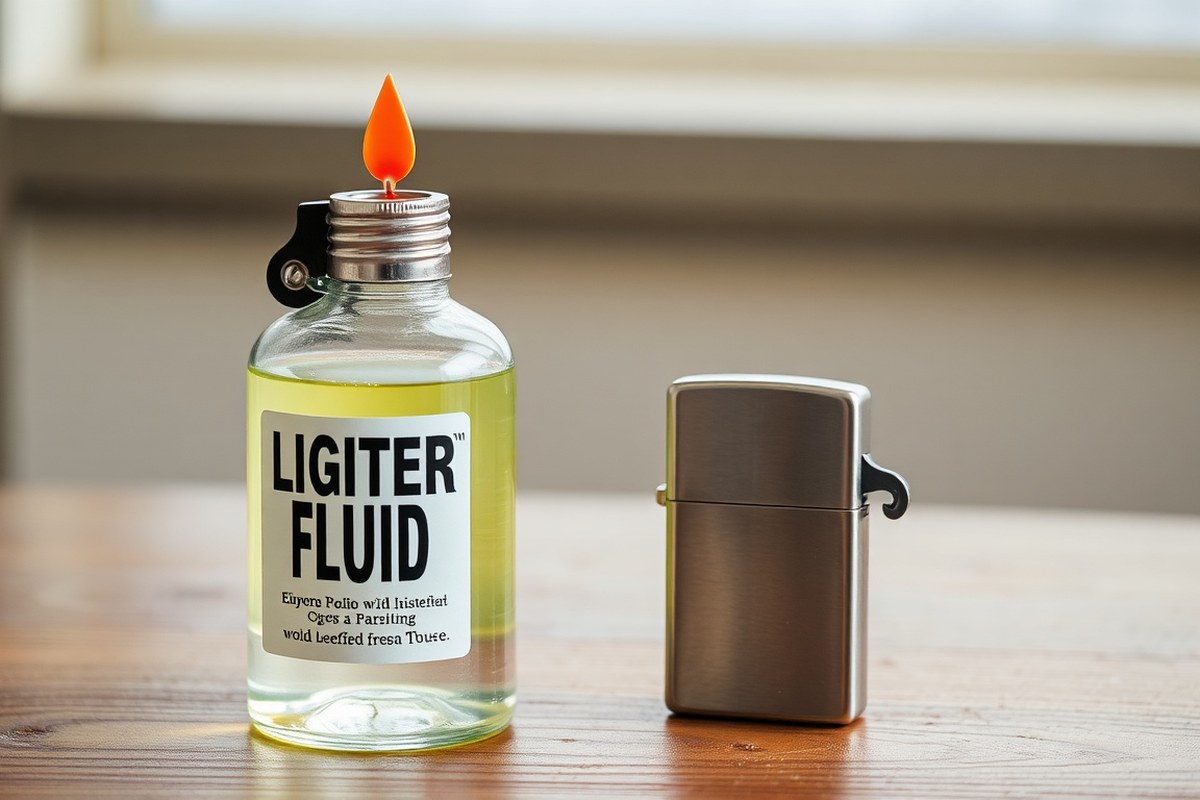
What is lighter fluid made of? Most lighter fluids are made from petroleum naphtha.
This is a mix of hydrocarbons with carbon atoms typically between nine and fourteen. These chemicals are flammable, which helps start fires quickly in charcoal grills and wick lighters.
Charcoal lighter fluid mainly contains petroleum naphtha. Gas lighters use butane, isobutane, or propane gases. These gases differ in boiling points and flammability, giving each lighter type its specific behavior.
Lighter fluid evaporates fast because of its high volatility. This makes starting a fire easier but demands careful handling. Avoid spills and keep the fluid away from flames and open heat sources to stay safe.
Key Takeaways
- Petroleum naphtha is the main ingredient in charcoal lighter fluid.
- Butane and propane gases power most gas lighters, differing chemically from liquid fluids.
- Always let charcoal lighter fluid soak in before lighting to prevent flare-ups.
- Do not confuse lighter fluid with gasoline or kerosene; they have different chemicals.
- Keep lighter fluid containers tightly closed to reduce evaporation and fire risk.
- Use about 1 to 2 ounces of charcoal lighter fluid per standard charcoal load.
What Chemicals Make Up Lighter Fluid?
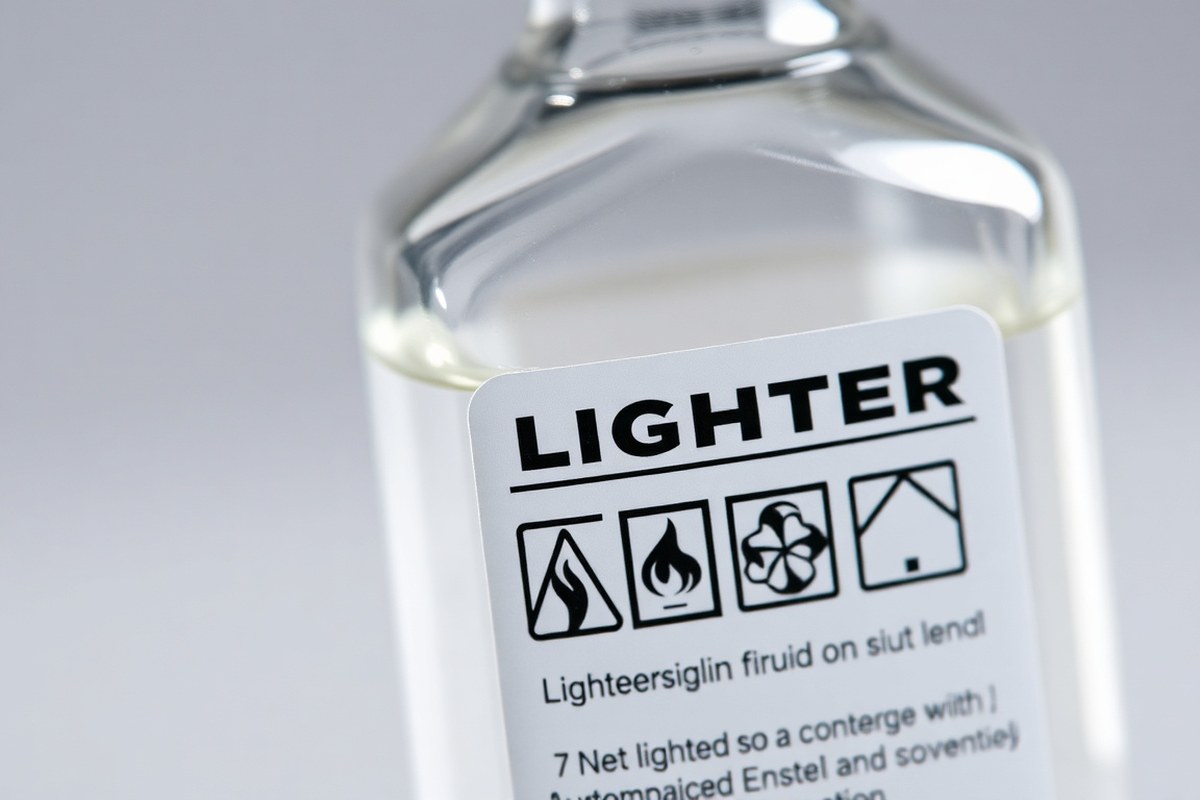
Lighter fluid mainly consists of petroleum naphtha, a mix of hydrocarbons. These hydrocarbons often have carbon chains ranging from C9 to C14. This chemical blend keeps the fluid liquid and highly flammable at room temperature.
Zippo lighter fluid is a good example. It uses a light petroleum distillate known as naphtha, similar to other wick lighter fuels. Naphtha in Zippo fuels has hydrocarbons mostly between C6 and C9.
These carbon chains help the fuel ignite quickly. They also allow for steady burning.
Besides petroleum naphtha, lighter fluids contain other aliphatic hydrocarbons, which help control how fast they burn. Some brands mix cyclic hydrocarbons to adjust evaporation rates and flame temperature. These variations influence ignition reliability, especially in cool or windy conditions.
Additives appear in some lighter fluids to improve safety or performance. They may reduce odor or stabilize the fluid during storage. Some additives can reduce the strong smell in charcoal lighter fluid.
This makes it less unpleasant when you use it. It can improve your experience.
Hydrocarbon-based lighter fluids usually have flash points between -40°F and 100°F depending on the exact mix. This means they can ignite easily but also evaporate quickly. That’s why you need to keep them in tightly sealed containers and handle them carefully.
A 4-ounce bottle of Zippo fluid costs about $5. This amount is enough for many lighter refills. It’s a good value.
Larger bottles might cost closer to $9 but last longer and can fill multiple lighters. Choose lighter fluid suited for your specific lighter type to avoid clogging or poor flame control.
Only use liquids labeled for wick lighters with absorbent packing. Gas lighters need butane or similar gas fuels, not petroleum naphtha. Using the wrong chemical can cause leaks, poor ignition, or damage to your lighter’s mechanism.
How Do Charcoal Lighter Fluid and Butane Differ Chemically?
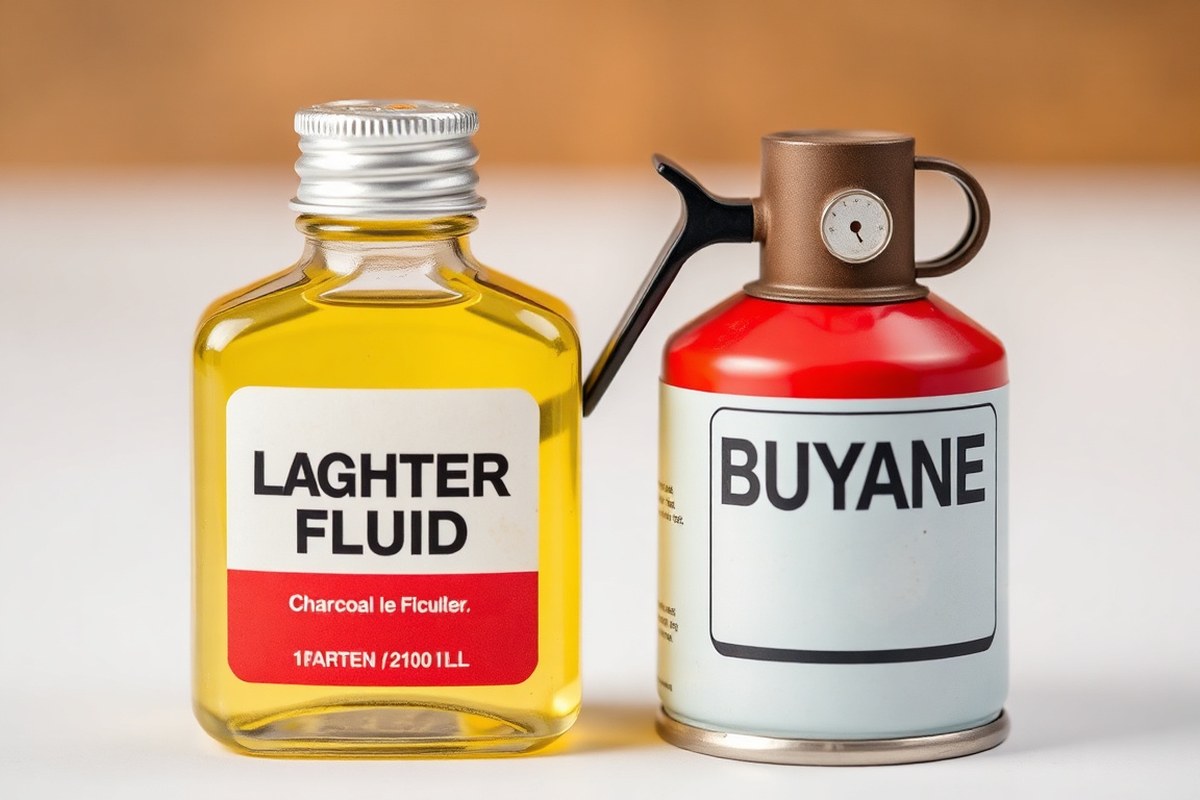
Charcoal lighter fluid and butane fuel differ a lot chemically and physically. Charcoal lighter fluid is a liquid mix used to soak charcoal briquettes for grilling.
Butane is a single hydrocarbon gas stored in pressurized containers for lighters. These differences affect how you use each safely and effectively.
Charcoal lighter fluid is mostly a blend of heavier hydrocarbons like petroleum naphtha. It stays liquid at room temperature and soaks into charcoal to light it evenly.
Butane (C4H10) is a simpler, lighter gas that vaporizes easily. Butane is stored under pressure and released as gas for consistent flame control in pocket lighters.
| Characteristic | Charcoal Lighter Fluid | Butane Fuel |
|---|---|---|
| Chemical Composition | Petroleum naphtha and hydrocarbons, liquid mix | Pure butane gas (C4H10), simple hydrocarbon |
| Physical State | Liquid at room temperature | Gas under pressure, vaporizes on release |
| Typical Use | Soaking charcoal briquettes for grilling | Fuel for refillable gas lighters and torches |
| Storage | Stored in bottles or cans, no pressure | Stored in pressurized canisters or lighter tanks |
| Ignition Method | Poured or sprayed on charcoal, ignited directly | Released as gas through valve, ignited by spark |
| Volatility | Less volatile, evaporates slower | Highly volatile; vaporizes instantly on release |
Charcoal lighter fluid works well for lighting large charcoal piles. It soaks into coals and burns off over a few minutes.
Butane suits small lighters needing a clean, controlled flame. It burns hotter and faster than charcoal fluid.
You won’t want to use charcoal lighter fluid in a gas lighter. It can clog or damage valves designed for butane. Similarly, butane gas in a charcoal grill fluid bottle won’t soak or light charcoal properly.
Never use charcoal lighter fluid indoors or near an open flame other than a grill. It’s made for outdoor use only.
Why Isn’t Lighter Fluid the Same as Gasoline or Kerosene?
Chemical Differences Between Lighter Fluid, Gasoline, and Kerosene
Lighter fluid is usually a refined petroleum product like naphtha. Gasoline and kerosene come from the same source but are heavier or lighter fractions. Gasoline is more volatile and contains additives for engines, unlike lighter fluid.
Kerosene is heavier and burns slower than lighter fluid, meant for lamps and heaters. Lighter fluid evaporates quickly, which helps start fires fast but means it shouldn’t be stored long. Gasoline’s high volatility makes it dangerous for lighter use.
Why Lighter Fluid Isn’t Gasoline or Kerosene
Gasoline contains chemicals that create engine knocking and pollution controls, not in lighter fluid. Using gasoline for lighting risks explosions and erratic burning. Kerosene’s slower burn suits lamps, but it won’t light quickly like lighter fluid.
Buying lighter fluid means getting a product designed for clean, controlled ignition. Zippo-style wick lighters rely on naphtha’s quick flash to start from a flint spark. Neither gasoline nor kerosene perform well or safely in these devices.
Risks of Using Gasoline Instead of Lighter Fluid
Gasoline in place of lighter fluid can cause uncontrollable flames or explosions. It ignites at lower temperatures and produces toxic fumes. The high volatility increases fire risk, especially in small, enclosed spaces.
Lighting charcoal with gasoline is extremely hazardous. It can cause flare-ups, chemical residue on food, and poisoning risks. Always use products intended for fire-starting to avoid injury or damage.
How Lighter Fluid’s Intended Use Shapes Its Composition
Lighter fluid’s formula prioritizes quick evaporation and easy ignition. It delivers steady, controlled flames suited for lighters and fire-starting. Gasoline’s additives and stability requirements make it unsuitable for lighter use.
Kerosene burns longer and cooler for heating, not instant ignition. Using kerosene in place of lighter fluid can result in poor flame and difficulty igniting. Fuel choice affects fire quality, safety, and user experience drastically.
What Happens When You Substitute Fuels
Switching fuels often damages the lighter or device using them. Gasoline might dissolve plastic parts or clog wicks. Using kerosene where lighter fluid is required leads to weak flames or no ignition.
Proper fuel ensures your lighter works as expected and reduces fire hazards. If unsure, check manufacturer instructions or the product label. Sticking to the recommended fuel helps avoid costly repairs or fires.
What Is Petroleum Naphtha and Its Role in Lighter Fluid?
Petroleum naphtha is a volatile mix of liquid hydrocarbons. It usually contains molecules with 9 to 14 carbon atoms (C9, C14). These molecules come from refined crude oil and form a flammable liquid.
The chemical nature of naphtha means it evaporates quickly and lights easily. That makes it good for lighter fluid, where you want fast ignition and steady burning. A pocket lighter needs a refined naphtha to avoid clogging seals and wick materials.
The hydrocarbon chains in naphtha are like short strings of carbon atoms. Here’s a simple view:
| Example Hydrocarbon Chain | Carbon Atoms |
|---|---|
| Nonane | C9H20 |
| Decane | C10H22 |
| Undecane | C11H24 |
| Dodecane | C12H26 |
| Tridecane | C13H28 |
| Tetradecane | C14H30 |
Naphtha used in lighter fluid is often low-aromatic, meaning it has fewer ring-shaped molecules. This lowers smell and improves safety. The fluid should be free of heavier oils and additives to protect lighter parts.
There are variations in naphtha fluids depending on refinement and source. Some contain trace impurities like sulfur or aromatics, but these are minimized. The exact formula affects how well the lighter performs and how safe it is to handle.
Use lighter fluid with the right naphtha grade for your lighter. Charcoal lighter fluid has a similar hydrocarbon range but less refinement. It can damage small lighters because it may contain extra additives or heavier fractions.
How Do Butane, Isobutane, and Propane Affect Lighter Fluid Behavior?
Butane, isobutane, and propane are all liquefied gases used in lighter fluid. Butane (C4H10) makes up most of the mix.
Isobutane is a similar gas with a slightly different structure. Propane has three carbons (C3H8) and a much lower boiling point.
These small chemical differences affect how the fuel behaves under pressure and temperature. Butane and isobutane boil around 30°F to 11°F (-1°C to -12°C).
Propane boils at -44°F (-42°C), so it stays a gas at much colder temperatures. That helps lighters work better in cold weather when butane alone might not vaporize enough.
Propane is added in small amounts, usually less than 5%. It raises the pressure inside the fuel can. That’s why only a small amount is used.
High pressure could cause leaks or burst seals. The right propane blend provides more reliable ignition and flame control without risking safety.
Isobutane improves fuel flow and burn consistency. Its branching structure makes it vaporize at lower temperatures than normal butane. Lighter fluids with more isobutane tend to maintain a steady flame across temperature changes.
Fuel blends with more propane, isobutane, or pure butane each suit specific climates or lighter designs. In cold places below freezing, a mix works better. It has 2% to 5% propane and about 10% isobutane.
This combination helps the fuel perform well. Pure butane suits warmer conditions but may fail to ignite in the cold.
| Property | Butane (n-butane) | Isobutane | Propane |
|---|---|---|---|
| Chemical formula | C4H10 | C4H10 (branched) | C3H8 |
| Boiling point (°F) | ~30°F (-1°C) | ~11°F (-12°C) | -44°F (-42°C) |
| State at room temp | Gas (stored liquid under pressure) | Gas (stored liquid under pressure) | Gas (stored liquid under pressure) |
| Effect on pressure | Moderate | Moderate | High (needs limits) |
| Performance use | Standard fuel | Improved cold temp use | Boosts cold temp ignition |
Always store butane fuel cans away from heat or sparks to avoid pressure buildup and leaks.
How Volatile Is Lighter Fluid and Why Does It Evaporate Quickly?
Lighter fluid contains hydrocarbons that evaporate quickly because they are highly volatile. Volatility means the liquid turns into gas fast at room temperature. This makes lighter fluid easy to ignite but also quick to lose if left open.
The evaporation rate depends on the fluid’s components and the temperature. Petroleum distillates in lighter fluid vaporize faster above 70°F. For example, naphtha evaporates very quickly. So you can smell it shortly after opening the container.
High volatility helps lighter fluid ignite with little flame or spark. But that also raises safety concerns. Because it evaporates rapidly, fumes can build up and ignite unexpectedly near flames or sparks.
Keep lighter fluid containers tightly closed to reduce evaporation loss and fire risk. Store them in cool, dry places away from heat sources. Using only the amount needed lowers leftover fluid exposure to air and evaporation.
During grilling, applying too much fluid wastes product and creates flare-ups from quick vapor ignition. Give lighter fluid a minute after applying so some evaporates off safely before lighting. This lets flames burn steadily without bursts.
Butane, a common gas lighter fuel, has a very low flash point around -76°F. So it ignites easily even in cold weather. Liquid lighter fluids have higher flash points than gases.
They still evaporate fast enough to ignite at room temperature. This makes them quick to light for your needs.
Knowing how volatile your lighter fluid is helps you handle it right. Avoid spills, open containers briefly, and never inhale vapors.
Vapors ignite at low temperatures. So good ventilation and careful handling reduce fire and health hazards.
Which Lighter Fluid Suits Different Lighters: Wick vs Gas Types?
Lighter fuels must match the type of lighter you use to avoid damage or poor flame. Wick lighters need liquid fuel designed for absorbent packing. Gas lighters require pressurized butane gas, not liquid fuels.
Wick Lighters and Liquid Fuels
Wick lighters hold liquid fuel in absorbent cotton or felt inside the case. They need special liquid fuel often called pocket-lighter fluid. It burns cleanly without clogging the wick or making the flame weak.
Do not use butane or charcoal lighter fluid in wick lighters. Butane is a gas and won’t soak into the wick. Charcoal fluid is too thick and can gum up the packing or leak badly.
Gas Lighters and Butane Fuel
Gas lighters such as pocket, torch, or camp stove lighters use pressurized butane fuel. This fuel is a gas under pressure and releases clean, adjustable flames. You refill by injecting butane into the lighter’s gas valve.
Injecting liquid fuel or charcoal fluid into a butane lighter will ruin the valve. The internal parts are not designed to hold liquids or absorbents. Using the right butane fuel keeps the flame stable and prevents leaks.
Charcoal Fluid Limitations
Charcoal lighter fluid is made for starting charcoal in grills. It is a naphtha-based liquid that remains liquid at room temperature. This makes it unsafe and ineffective for pocket or wick lighters.
Using charcoal fluid in any lighter can cause leaks, fire hazards, or harmful smoke. It can splash or spill easily and poses health risks if ingested or inhaled. Keep charcoal fluid only for charcoal grilling.
Here is a quick compatibility table to avoid confusion:
| Lighter Type | Recommended Fuel | Fuel State | Not Compatible With |
|---|---|---|---|
| Wick Lighter | Liquid pocket-lighter fluid | Liquid | Butane gas, charcoal lighter fluid |
| Gas Lighter (pocket, torch) | Butane | Pressurized Gas | Liquid wick fuel, charcoal lighter fluid |
| Charcoal Starter | Charcoal lighter fluid (naphtha) | Liquid | Butane, wick lighter fluid |
Use this table as a guide whenever you refill or refuel your lighter. Wrong fuel types cause weak flames, leaks, or permanently damage your lighter. Buy fuels from trusted brands that label the intended lighter type clearly.
How to Safely Handle and Store Lighter Fluid
Lighter fluid is flammable and can cause serious accidents if mishandled. Always use it in a well-ventilated area, away from open flames or sparks. Keep your skin and eyes away from the fluid to avoid irritation or burns.
Store lighter fluid tightly sealed in its original container. Place it in a cool, dry spot away from direct sunlight and heat sources. Avoid temperatures above 120°F because high heat can increase pressure and cause leaks or explosions.
Here’s a checklist to follow every time you handle or store lighter fluid:
- Wear gloves to prevent skin contact.
- Keep fluid away from children and pets.
- Do not smoke near lighter fluid.
- Keep container closed when not in use.
- Store in a ventilated area with stable, cool temperatures.
- Use only approved containers and devices for refilling.
- Dispose of empty containers according to local rules.
Accidental spills or contact can happen. When lighter fluid gets on your skin, wash it with soap and water. For eye exposure, flush with clean water for at least 15 minutes and seek medical help.
When someone breathes in fumes and feels dizzy or sick, move them outside. Call poison control if these symptoms don’t go away.
Never refill a lighter near flames or while smoking as this risks ignition.
Keep emergency numbers handy and have a basic fire extinguisher nearby when using lighter fluid. Fire risks increase when you spill fluid on hot surfaces.
Vapors can also build up in closed spaces and cause danger. Remember, a small drip can cause a flare-up if you light nearby too soon.
How to Refill a Wick Lighter Properly and Avoid Mistakes
Refilling a wick lighter properly means adding the right amount of lighter fluid safely. Use only recommended fuel and avoid overfilling to prevent leaks and poor flame control. Watch for signs like a weak flame or smell of fuel, which show incorrect fueling.
Preparing the Lighter for Refill
Make sure the lighter is cool and away from flames or sparks before starting. Work in a well-ventilated area to avoid inhaling fumes or risk of fire. Open the lighter carefully by removing the insert from its case.
Check the cotton wick and reservoir inside for dryness or damage. Wipe off dirt or leftover fluid from metal parts with a clean cloth.
This stops clogs and bad contact. The wick might need replacing before refilling when damaged or too short.
Filling the Cotton Wick Reservoir
Pour lighter fluid slowly onto the cotton inside the lighter’s reservoir. Stop once the cotton feels fully saturated but not soaking wet to avoid spills. Too much fluid causes leaks and a strong fuel odor, which is unsafe.
For typical wick lighters, fill about 0.5 to 1 teaspoon (2 to 5 milliliters) of fluid. This amount works well for most pocket lighters with a 105-gram insert. Use only lighter fluid made for wick lighters, never gas or other fuels.
- Remove the lighter insert carefully from its case.
- Lift the felt pad or cotton cover to expose the wick reservoir.
- Slowly add lighter fluid to saturate the cotton evenly.
- Avoid overfilling; leave some air to prevent leaks.
- Replace the felt or cotton pad securely over the reservoir.
- Wipe away any spilled fluid from the lighter’s exterior.
- Put the insert back into the lighter case tightly.
Post-Refill Waiting and Testing
Let the lighter sit for a few minutes after refilling to absorb excess fluid. This reduces the risk of accidental fuel spills or flare-ups during first lighting. Avoid shaking or turning the lighter upside down soon after filling.
Test the flame outdoors by spinning the flint wheel. The flame should be steady and bright, not sputtering or weak.
A strong fuel smell or sputtering flame means you overfilled or used wrong fluid. Clean and refill the lighter fluid.
What Are the Health Risks of Lighter Fluid Exposure?
Lighter fluid is harmful if swallowed, inhaled in large amounts, or left on skin too long. It contains chemicals that can cause poisoning or irritation.
Even brief exposure to fumes might cause dizziness or nausea. But these usually go away quickly in fresh air.
Swallowing lighter fluid is serious and needs prompt action. Avoid making the person vomit unless a doctor says so. Call emergency services or poison control immediately for advice on what to do next.
Skin contact requires quick washing with soap and water to remove the fluid. Should lighter fluid get in your eyes, rinse them for 15 minutes. Getting medical help fast helps prevent lasting damage when fluids affect the eyes or skin.
Breathing in heavier fumes or long-term exposure can lead to headaches, dizziness, or even breathing difficulties. Move to fresh air right away and keep calm. Symptoms that worsen or don’t improve need a doctor’s visit quickly.
Because lighter fluid produces flammable vapors, avoid sparks or flames if you think you’ve been exposed. Flames can ignite vapors and cause burns or fires. Spilled lighter fluid on you or surfaces should be cleaned well and aired out.
What Alternatives to Petroleum Lighter Fluids Are Available?
Biomass-based lighter fluids offer an alternative to petroleum fuels. They often mix gamma-valerolactone (GVL) or ethyl-levulinate (EL) with 10% ethanol by volume. These blends reduce harmful emissions and are safer for the environment and your health.
These biomass fuels behave similarly to traditional lighter fluids. They ignite easily and burn clean, with less odor or residue.
However, they may cost more and can be less widely available than petroleum options. You might see prices around 20 to 30% higher, depending on the supplier.
Aside from chemical blends, some use n-butanol or biodiesel-based liquids. These produce lower toxic fumes and reduce the risk of unpleasant smells. Biomass fuels suit those wanting a natural product.
They’re great for outdoor cooking or hobby fires. You get a more natural flame this way.
Alternatives like chimney starters or paraffin cubes also avoid liquid fuels. These fuels need more time to set up. They lower fire risks and reduce fumes.
So, they’re safer than quick-start options. This can suit backyard barbecues or small fire pits where you want simpler, cleaner lighting.
Smoke or smell matters when lighting cigars. Butane lighters or long matches work better then. They burn cleaner and leave less odor.
Petroleum lighter fluids may leave odors that affect taste. This is why cigar enthusiasts often avoid liquid petroleum fuels altogether.
Use biomass-based lighter fluid only in well-ventilated areas and keep away from heat sources.
Even with low-volume use, studies confirm biomass fuels match petroleum fluids in safety. Toxicity is generally lower, making these fuels better for casual use. Check for local availability since some stores stock these options only seasonally or regionally.
Biomass-based lighter fluids don’t always fit every lighter type. Wicked lighters may need specific formulations to avoid clogging or uneven burning.
Gas lighters usually stick to butane blends. So biomass options mainly suit liquid-fuel or torch styles.
Step-by-Step Action Plan for Using Lighter Fluid Safely and Effectively
Follow these clear steps to handle lighter fluid safely. Choose the best type for your lighter.
Doing it right helps avoid accidents. Each step shows you how to check if you did it properly.
- Before you start: Choose the right lighter fluid. Use naphtha-based fluid for wick lighters and butane for gas models. You’ll know you made the right choice when the lighter fills and lights easily without spills.
- Day 1: Store lighter fluid in a cool, dry place away from flames. Make sure the container seals tightly. Check storage by noting no strong smell outside the container.
- Day 2: Refill wick lighters slowly. This stops the wick from getting too wet. Add just a little fluid at a time. The wick should feel damp but not dripping. Test by lighting; it should ignite quickly without smoke.
- Day 3: For gas lighters, refill in a well-ventilated area, avoiding inhaling vapors. Stop filling when you see fluid leaking. The lighter should light normally and hold fuel without leaks.
- Day 4: Watch for any skin or eye contact with lighter fluid. Wash off immediately with soap and water if it happens. Know you’re safe when irritation fades within minutes.
- Week 1: Switch to alternatives like bio-based lighter fluids if you want less chemical exposure. Check effectiveness by how well your lighter works and how little smell it gives off.
- Month 1: Review your lighter fluid use and storage habits. Fix any spills or leaks promptly. You should feel confident handling and storing fluid with no spills or bad smells around.
Frequently Asked Questions
What Is Lighter Fluid Made Of?
Lighter fluid is mainly made of naphtha or butane, which are flammable hydrocarbons. These come from petroleum and help lighters ignite quickly and reliably.
What Chemical Is Zippo Lighter Fluid Made Of?
Zippo lighter fluid consists of naphtha, a light petroleum distillate. This liquid flows well and fuels wick lighters like Zippos for smooth, steady burning.
Is Butane Harmful to Humans?
Butane can be harmful if inhaled or if it contacts skin and eyes. You should avoid breathing it in and wash off any skin contact immediately with water.
What Can Be Substituted for Lighter Fluid?
You can use charcoal starter cubes or electric starters instead of lighter fluid. These options avoid liquid chemicals but may take longer to light your grill.
Is Lighter Fluid Still Flammable After It Dries?
Once lighter fluid dries, it’s much less flammable. Most of the flammable vapors evaporate quickly, leaving behind little to catch fire. Always wait before cooking over a recently applied fluid.
Final Thoughts
Lighter fluid is mainly made of petroleum naphtha or butane variants, each fitting certain lighters best. Using the right fluid and storing it safely keeps your lighter working well and you safe. Start by picking the right fluid for your lighter type and handle it carefully every time.