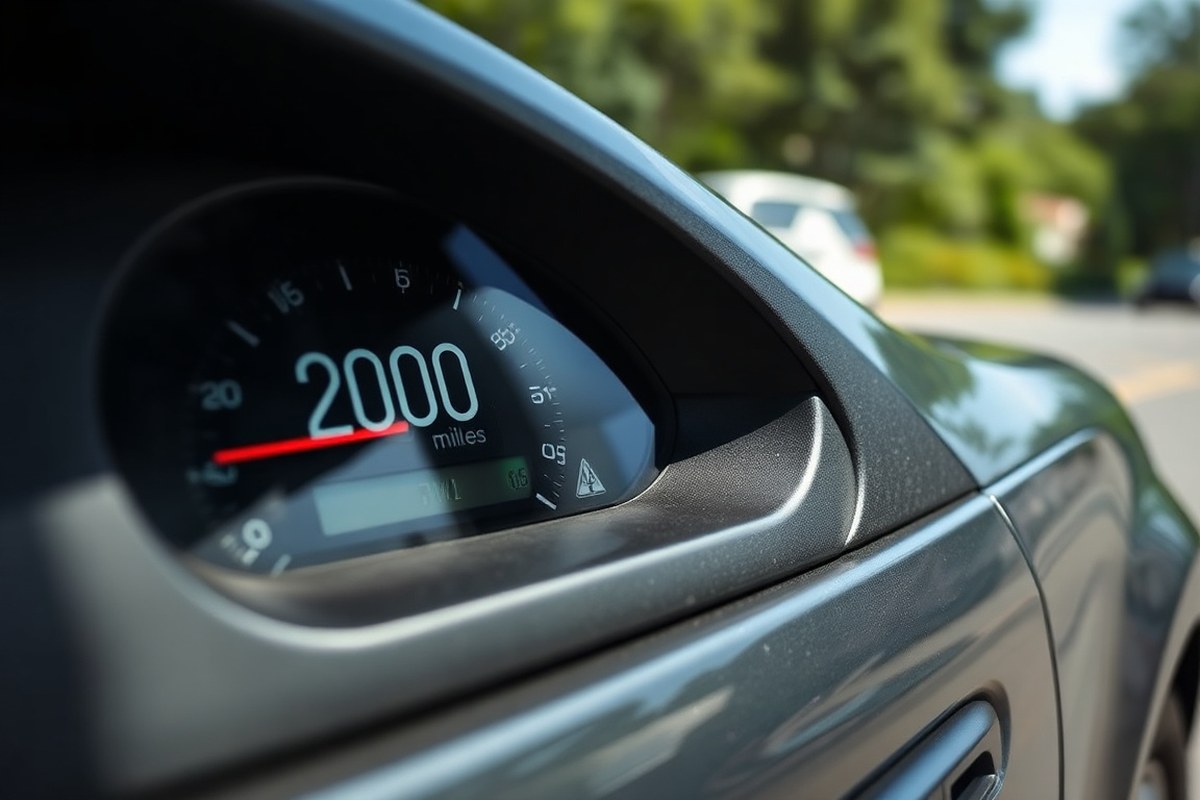
Is 200 000 Miles Bad on a Car? What You Need to Know Before Buying
Cars with 200,000 miles don’t always have big problems. High mileage means the car has been driven a lot. It doesn’t automatically mean the car is bad.
The key factor is the car’s maintenance, not only its mileage. A vehicle with 200,000 miles can still be a good purchase choice. Proper care makes high mileage less of a problem.
It needs to have been well maintained. Low-mileage cars that got ignored may have issues.
Start by checking the maintenance history closely. Watch out for missed oil changes or signs of serious repairs. Consistent upkeep often matters more than just the mileage number.
Look at factors like how the car was driven and stored. Long highway trips usually cause less wear than stop-and-go city driving.
Keep in mind, some parts wear out after certain miles. So check for key replacements like timing belts or brakes.
Key Takeaways
- High mileage alone doesn’t make a car unreliable or worthless.
- Maintenance records reveal much about a high-mileage car’s future.
- Some cars are built to last beyond 200,000 miles with fewer issues.
- Look for regular service like oil changes, brake checks, and timing belt swaps.
- Highway miles are less harsh than city miles on long-term wear.
- A thorough inspection can catch hidden problems on older cars.
Is 200,000 Miles Bad on a Car? The Truth Explained
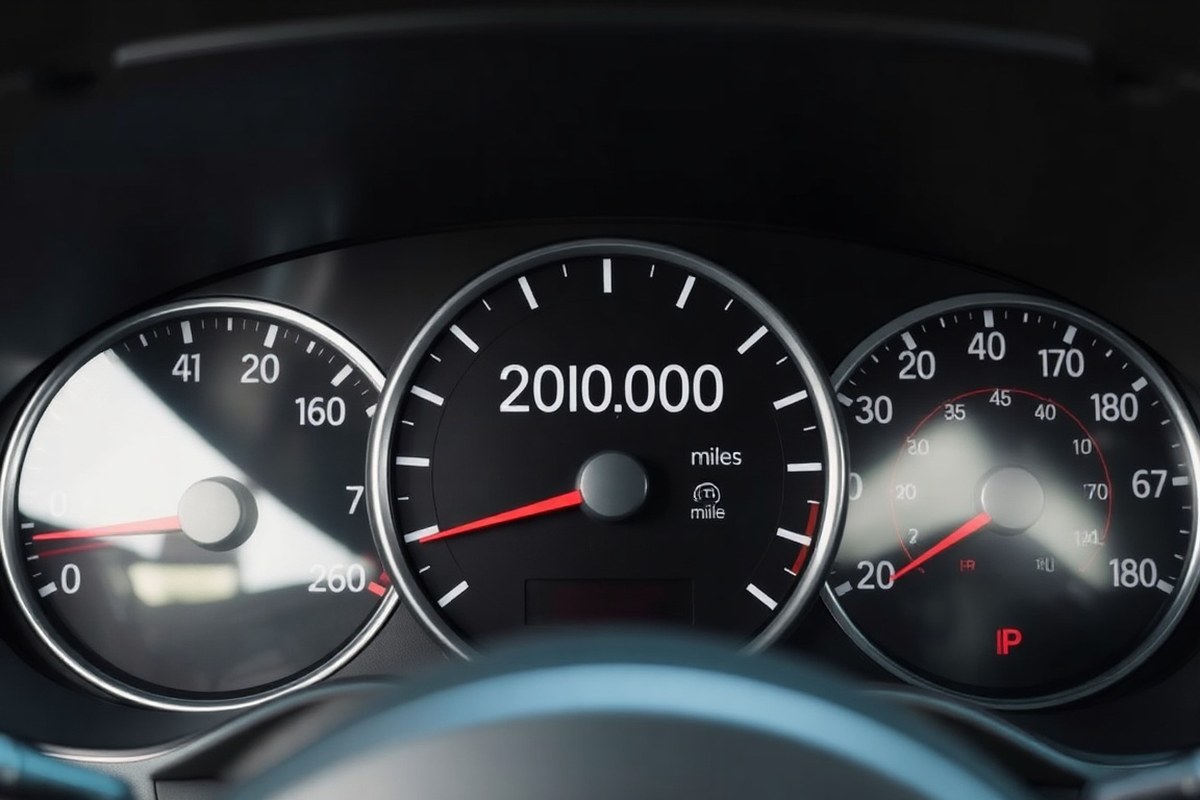
200,000 miles on a car isn’t automatically bad. Modern cars often reach beyond 200,000 miles when cared for properly. The number alone doesn’t decide if the car is reliable or not.
Cars today are built tougher than years ago. Their engines, transmissions, and parts can last longer with regular maintenance. A car with 200,000 miles can still drive well.
It depends if the owner kept up with the service schedule. Good maintenance helps the car last for years.
Knowing how a car was driven matters more than its mileage. Highway miles usually cause less wear than stop-and-go city driving. Also, fewer owners and steady upkeep improve chances of good condition at high miles.
Checking the maintenance records is key. Look for timely oil changes, brake servicing, and part replacements. Delays or skipped services can cause costly failures even if the odometer shows fewer miles.
Reliability depends on the specific make and model, too. Some cars are known to go well past 200,000 miles with limited repairs. Others might develop major problems before reaching that mark.
Buying a car with 200,000 miles means more risk but also a lower price. Repairs could become more frequent soon, so plan for extra costs. A thorough inspection helps avoid surprises that the mileage number doesn’t show.
In short, 200,000 miles describes a high-mileage vehicle. But it’s not a simple yes-or-no on reliability. Oil changes, tire rotations, and big repairs all factor in.
Checking these details takes some time but it helps you decide. You see if the car fits your needs. You also check if it matches your budget.
How Maintenance History Determines High-Mileage Car Value
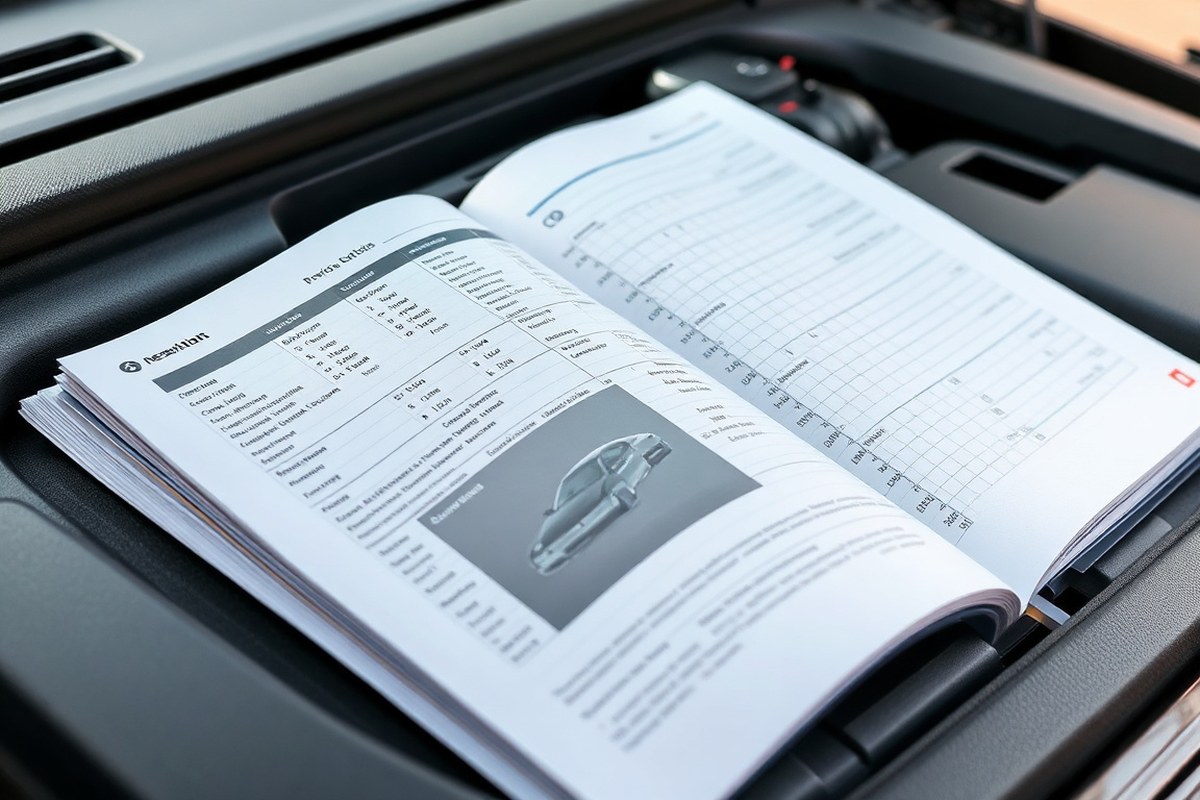
You can’t judge a high-mileage car by miles alone. Service and repair records tell you if it got the care needed to last. A car with solid maintenance history often beats one with fewer miles but spotty upkeep.
Essential Maintenance Milestones by 200,000 Miles
By 200,000 miles, replace key parts like the timing belt. Also swap the water pump and change spark plugs to keep it running well.
The transmission fluid and coolant must be fresh to avoid costly damage. Suspension components, brakes, and tires need regular checks and likely replacements.
Look for major repairs like clutch replacements or transmission fixes. These repairs show the car’s internal systems were maintained. Routine oil changes every 5,000 to 7,500 miles help protect the engine over time.
Verifying Service History and Records
Ask for detailed service receipts that list parts replaced and service dates. A digital or paper logbook is better than verbal claims. Cross-check these with the car’s VIN in online databases when possible.
Beware of gaps longer than a year between oil changes or major services, they suggest neglect. Maintenance quality varies, so look for certified shops or dealer work. The presence of OEM (original equipment manufacturer) parts on records boosts confidence.
Always ask for document proof of major repairs, not just storyteller anecdotes.
Why Consistent Maintenance Beats Mileage
A car with 200,000 miles that got regular upkeep can be more reliable. It often beats a 100,000-mile car without good maintenance.
Skipped oil changes, ignored transmission fluid, and unchecked brakes cause hidden damage. These issues lead to breakdowns faster than high mileage alone.
Also, cars mainly driven on highways with low engine strain tend to last longer. A history of regular tune-ups and repairs predicts fewer surprises and better resale value. The service log reveals if the car was treated right or neglected along the way.
Which Makes and Models Usually Last Beyond 200,000 Miles?
Several car brands and models stand out for lasting beyond 200,000 miles reliably. These vehicles often combine solid engineering with durable materials. Choosing one greatly lowers your risk of costly repairs down the road.
Top Reliable Car Models for High Mileage
Toyota and Honda have long earned solid reputations for reliability over 200,000 miles. Models like the Toyota Camry and Honda Accord often reach 250,000 miles with proper care. Their engines run smoothly and parts wear out more slowly than average.
American brands like Ford and Chevrolet make trucks and SUVs. These vehicles are popular for lasting many miles. They have a reputation for durable performance.
Older Ford F-150 trucks handle tough use well. Chevy Silverado models also last long with strong frames.
Both can reach high mileage and keep going. These vehicles show their strength in both city and highway driving.
GMC trucks, particularly the Yukon and Sierra, come equipped with heavy-duty components. They hold up well to tough conditions and frequent hauling. Their suspension and drivetrains tend to last beyond 200,000 miles if maintained consistently.
Engineering and Build Factors That Influence Longevity
Cars with simpler mechanical designs usually last longer because they have fewer parts that can fail. Straightforward engines, fewer electronics, and rugged transmissions reduce chances of breakdowns. For instance, older Toyota pickups use durable inline engines that last decades.
Steel frames and strong chassis materials boost resistance to rust and structural damage. High-quality welding and corrosion protection prevent frame decay, a common dealbreaker beyond 200,000 miles. Reliable cars often come from manufacturers who prioritize part longevity.
Fuel injection systems, engine cooling, and lubrication also impact lifespan. Well-designed cooling systems keep engines from overheating, which causes early failure. Vehicles that use high-quality oil and filter changes last longer without major internal damage.
Age vs. Mileage: Which Matters More?
Older cars with high miles can beat newer ones. This happens if their owners maintained them well. Maintenance often means more than just mileage or age.
Age affects rubber parts, seals, and electronics, causing failures regardless of mileage. A 15-year-old car with 200,000 miles may have worn-out hoses or cracked gaskets.
Newer models often include better materials and modern tech that can last longer overall. Still, they might have more complex systems that require costly repairs after 200,000 miles. You want a balance: a car not too old but with solid service history.
Consistent upkeep matters more than just age or miles. Taking care of your car keeps it running longer. Regular maintenance beats the numbers alone.
Regular oil changes, fluid flushes, and replacing worn parts keep a car running past 200,000 miles. Two cars from the same year and mileage can perform very differently depending on care.
How to Inspect a Car with 200,000 Miles Before You Buy
Checking a car with 200,000 miles takes a close look and careful driving. You want to spot rust, leaks, worn parts, and listen for strange noises. A step-by-step check helps you know what’s good and what needs fixing.
Exterior and Undercarriage Visual Signs to Check
Look closely at the outside and under the car for damage and rust. High mileage can hide problems like frame rust or fluid leaks under the hood. These visual clues often show the car’s true condition beyond the bright paint.
Inspect the paint for mismatched colors or texture, which might mean a past accident. Check door seals and windows for damage or leaks that could let water in. Scan the undercarriage for surface rust and any heavy corrosion that weakens metal parts.
What to Assess During the Test Drive
The test drive reveals how the car drives with its high miles. Pay close attention to the engine’s smoothness and the transmission’s shifts.
You want smooth changes with no hesitation or harsh jerks. This matters even if the car has over 200,000 miles.
Listen for unusual sounds like knocking or squealing from the engine and brakes. Feel for steering vibrations or pulling, which may mean worn suspension parts. Try out main features like brakes, AC, and the heater to make sure they work well.
The Importance of a Professional Pre-Purchase Inspection
Hiring a mechanic for a detailed pre-purchase check is essential. These inspections usually cost $100 to $200 but can save you from big repairs later. A professional will look at the engine, transmission, brakes, and electrical systems in depth.
Mechanics can spot slow leaks, timing belt wear, or suspension issues you might miss. Check gear shifting carefully for cars with 200,000 miles. Hidden problems get more common at this mileage.
It’s very important to spot issues early. A clean bill of health from a trusted mechanic adds peace of mind before buying.
- Read the vehicle history report for accidents and service records.
- Walk around the car to check for rust, dents, and mismatched paint.
- Look under the car for leaks and rust on the frame or suspension parts.
- Open the hood and check for clean oil, no corrosion, and fluid levels.
- Start the engine and listen for unusual noises or smoke from the exhaust.
- Take the car for a test drive to assess acceleration, braking, and steering.
- Test all electronics, like lights, windows, and climate control systems.
- Schedule a professional mechanic inspection for thorough checks and advice.
The Impact of Highway vs. City Miles on Car Longevity
Highway miles cause less wear on a car than city miles do. Driving at steady speeds on highways means fewer stops, less braking, and smoother engine operation. This reduces stress on moving parts like brakes and the transmission.
City driving involves stop-and-go traffic and idling, which wears the engine and brakes more. Every time you start and stop, the engine works harder. Brakes heat up, which speeds up wear on them.
This adds stress to the car’s parts. Idling wastes fuel and adds no mileage but still uses oil and other fluids.
A car with mostly highway miles usually shows less wear even at high mileage. A 200,000-mile car mostly driven on highways can be in better shape. A 100,000-mile car used mainly in city traffic might wear out faster.
Highway driving is easier on cars. Highway driving puts less strain on the transmission and engine.
Engines running at highway speeds keep oil warm and flowing, preventing sludge build-up. Highway driving keeps internal parts lubricated well. Short trips and cold starts, common in city use, offer less lubrication.
This leads to more engine wear. Transmission fluid stays cooler on highways too, preventing damage from overheating.
Brakes last longer on highway miles because you rely less on them. Regenerative braking in some cars reduces wear by using the motor to slow down. City cars need more brake pads and rotor replacements, adding to maintenance costs.
Highway miles take longer to add up but cover distance faster. Cars spend less time sitting in traffic. This means less overall fuel use and wear.
This usually shows in its upkeep and condition. So consider mileage type when checking a car’s value. Look for records showing mostly highway use for the best mechanical condition.
Ask for detailed records showing city vs. Highway miles on high-mileage cars. This helps you check how much the car really wore down. Records show the car’s true use.
Common Repairs and Costs Expected After 200,000 Miles
Cars with 200,000 miles often need repairs to main parts. These include the transmission, suspension, and engine components. Expect some wear in these areas.
These repairs can cost thousands. Some might eat up a big part of your ownership budget. Knowing common repairs and their price tags helps you plan expenses and avoid surprises.
Here’s a table showing typical repair costs and when these parts usually need replacing. The prices vary, but this gives you a solid idea of what to expect:
| Component | Typical Lifespan (Miles) | Estimated Replacement Cost |
|---|---|---|
| Transmission | 100,000, 200,000+ | $3,000, $8,000 |
| Suspension | 100,000, 200,000+ | $1,000, $3,000 |
| Alternator | 75,000, 150,000 | $300, $900 |
| Starter Motor | 75,000, 150,000 | $300, $900 |
| Timing Belt/Chain | 60,000, 100,000 | $300, $1,000 |
| Brakes (Pads & Rotors) | 25,000, 70,000 | $300, $800 |
| Tires (Full Set) | 25,000, 50,000 | $500, $1,000 |
The transmission is often one of the biggest worries. Replacing it can cost $3,000 to $8,000. Spending that much might not be worth it unless the car’s value still makes sense.
Suspension repairs tend to be cheaper but can still hit $1,000 to $3,000. These parts wear down over time from rough roads and daily use.
You should also budget for timing belt or chain replacement. This repair usually happens between 60,000 and 100,000 miles. It is a common maintenance task.
This can cost up to $1,000 but protects the engine from severe damage. Alternator and starter motor replacements usually come with a price tag of $300 to $900. Brakes and tires need regular attention too, often replaced every 25,000 to 70,000 miles.
Finding a car with recent major repairs is a good sign. This shows the previous owner took care of the car. It lowers the chance of big repair bills soon.
Care also means fewer surprises later. You can ask for receipts or service records for proof. Budgeting $1,000 to $3,000 yearly helps cover repairs on high-mileage cars.
This plan handles common fix costs. It keeps your car running smoothly.
Financial and Insurance Considerations for High-Mileage Cars
Getting a loan for a car with 200,000 miles is often tougher than for newer vehicles. Lenders see high-mileage cars as risky because repairs can grow costly over time. Expect shorter loan terms and higher interest rates if approved.
The best way is to check with smaller lenders or credit unions. They often offer more flexible options.
Shop around to find the best deal for your credit needs. Also, having a strong credit score improves your chances significantly.
Insurance costs on cars with 200k miles are usually lower. They run about 25 to 30 percent less than new cars. This can save you money every month.
This happens because the car’s market value is lower. So insurers expect smaller payouts after accidents. Still, coverage needs depend on your car’s condition and driver history.
You can save more by shopping around and comparing policies. By choosing only the coverage you really need.
The resale value takes a big hit once a car hits 200,000 miles. Expect to pay 40 to 60 percent less than a similar model with lower mileage. Prices change based on make, model, and condition.
Most cars cost between $2,000 and $5,000 in this case. You can expect to pay in this range. To negotiate a fair price, start with research on similar cars in your area.
Use facts about maintenance history and repairs to support your offer. Don’t be afraid to walk away if the price feels too high for the condition.
You can negotiate by asking about recent repairs. Focus on major or expensive fixes. This shows the seller you know about the car’s condition.
Try saying, “Since this car needs soon repairs, can you lower the price by $500?” This approach is polite and clear. It shows you understand the car’s needs.”
Offering cash or quick closing can also motivate sellers. Don’t rush the buying process.
Get a mechanic’s inspection report first. Use the report to support your price offer.
Identifying Red Flags: When to Walk Away from a 200k-Mile Car
High mileage alone doesn’t mean you should skip a car. But certain red flags do. Rust on the frame is a big warning sign.
Oil leaks under the car are another red flag. A transmission that slips means serious trouble. These problems usually cost thousands of dollars to fix.
They can quickly turn a good deal bad. You might end up with a money pit.
Some problems might seem worrying but can be fixed affordably, like worn tires or brake pads. The key is knowing which defects are surface issues and which ones hint at deeper trouble.
A cracked windshield is easy to replace. But a bent frame or heavy body damage often means walking away.
Look closely for these major warning signs before buying a 200,000-mile car:
- Heavy rust on the undercarriage or wheel wells
- Oil leaks, especially around the engine or transmission
- Transmission shifts roughly or slips out of gear
- Visible body damage or uneven panel gaps
- Burning smells when the engine runs
- Missing or incomplete maintenance records
- Check engine light that won’t reset
Inspect rust carefully. Surface rust on a door is cosmetic. But deep rust on the frame weakens the car’s structure.
Ask a mechanic to check fluid leaks and test drive it for transmission issues. Slipping or hard shifts cost around $1,800 to $3,500 on average to repair.
Lack of maintenance is a huge red flag. Cars with 200,000 miles need service records. They should show oil changes and brake checks.
Timing belt or chain replacements matter too. Without these, essential parts might fail soon. Repairs can surprise you with costs that add up fast.
Don’t buy a high-mileage car without a professional inspection to spot hidden problems early.
Myths and Facts About Cars with 200,000 Miles
A common myth says all cars die at 200,000 miles. That’s not true. Many cars today can reach 250,000 miles or more when cared for properly.
Cars made decades ago had shorter lifespans. For example, vehicles from the 1930s lasted just over six years on average. Modern engines and parts last much longer now.
It’s also false that only luxury cars reach high mileage. Reliable midsize and economy cars often last beyond 200,000 miles.
Brands like Toyota and Honda have fewer issues at high mileage. These cars hold up well with proper care.
Age doesn’t always beat mileage in importance. An older car with low miles might have dry, cracked seals or rust. A newer car with 200,000 miles could run better if it’s been maintained.
Reliability depends largely on care and repairs, not just years or miles. Cars with good service records tend to last longer than those ignored for basic upkeep.
A car’s type of driving matters too. Highway miles at steady speeds stress the engine less than stop-and-go city driving. So, 200,000 highway miles often causes less wear than the same amount in town.
Maintenance affects results too. Spending a few hundred dollars yearly on oil changes is wise. Fluid flushes also help protect your car from big repairs.
Regular maintenance saves money in the long run. Without this, parts wear out faster and the car can fail near 200,000 miles.
Be cautious about buying very old cars with 200,000 miles. Rust and outdated tech may cause more problems than a newer car with the same mileage.
A high-mileage car in good shape runs smoothly and starts easily. It shouldn’t have major leaks or strange noises.
This shows the car has been well cared for. Bad signs include frequent overheating, rough idling, or visible damage under the hood.
Some cars with 200,000 miles keep running well for years. It depends on maintenance and driving habits. Not all high-mileage cars are the same.
Others need expensive repairs. Checking the maintenance history and condition is the key before you buy.
Step-by-Step Action Plan for Buying a 200,000-Mile Car
Follow these steps to check and buy a high-mileage car with confidence. Each step helps you spot good deals and avoid costly mistakes.
- Before you start: Set your budget including potential repairs. This prevents overspending after purchase.
- Day 1: Request the car’s full maintenance records. Check for regular oil changes and major repairs. Well-documented care means fewer surprises.
- Day 2: Test drive the car on both highway and city roads. Listen for unusual sounds and check how it handles. Smooth driving shows the engine’s health.
- Day 3: Get a trusted mechanic to inspect the car. They can spot hidden leaks or worn parts. A clean bill means lower risk.
- Day 4: Compare the asking price to similar models with 200,000 miles. Use guides like Kelley Blue Book for fair prices. Being informed helps with negotiation.
- Week 1: Review your insurance options and costs for the car. Make sure you can afford coverage, especially if repairs come up.
- Week 2: Decide based on inspection reports and price if the car fits your needs. Walk away if major red flags appear.
- After purchase: Schedule your first maintenance check soon after buying. Keep detailed records for future reference and resale value.
Frequently Asked Questions
Is 200,000 Miles Bad on a Car for Daily Driving?
Not always, but daily driving with 200,000 miles needs regular checks. Watch for worn parts and fluid leaks to avoid breakdowns.
Can a Car with 200,000 Miles Get Certified Pre-Owned Status?
Usually not, since certification requires lower mileage and strict conditions. High mileage often excludes a car from this program.
How Does Rust Affect a Car with 200,000 Miles?
Rust can cause major damage especially underbody and frame. Look carefully for rust spots before buying a high-mileage car.
Is Buying a 200,000-mile Car More Expensive Than Keeping My Old One?
It depends on repair costs and current car value. Sometimes fixing your old car is cheaper than buying a high-mileage one.
Will a Car with 200,000 Miles Still Have Good Fuel Economy?
It might decrease due to engine wear, but some run efficiently with care. Check the maintenance records for fuel system upkeep.
The Bottom Line
A car with 200,000 miles isn’t automatically bad if it’s been cared for. Use these tips to find one that fits your budget and needs. Start by checking maintenance records on any car you consider.