How to Tell If Power Steering Pump Is Bad: 9 Clear Signs and Solutions
You might notice whining or groaning noises while turning your wheel. These sounds usually show the pump struggles to push fluid correctly. The noise often gets louder when you accelerate or turn sharply.
Also, pay attention if steering feels stiff or jerky. Bad pumps struggle to help you turn smoothly, especially at low speeds. Sometimes the wheel may even hesitate or feel loose when you steer.
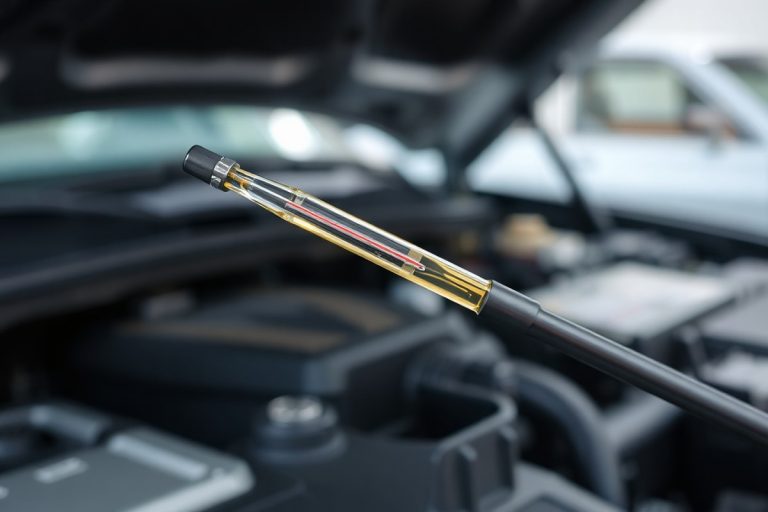
Start by checking the power steering fluid level and condition. Low or dirty fluid often signals a failing pump or a leak. Use the dipstick or reservoir markings to check fluid level and look for dark or cloudy fluid.
Look for leaks around the pump or along the hoses. Fluid leaks reduce pressure, causing pump failure over time. Catching problems before the pump seizes helps you avoid full steering failure and expensive repairs.
Key Takeaways
- Listen for whining or groaning noises when you steer at low speeds.
- Check if the steering feels harder or jerky when turning the wheel.
- Inspect power steering fluid level and color; low or dirty fluid is a warning.
- Look for fluid leaks near the pump, hoses, or steering rack.
- Check belt tension and condition driving the pump to prevent slippage.
- Watch for metal shavings in fluid, which indicate wear inside the pump.
1. How to Tell If Your Power Steering Pump Is Failing
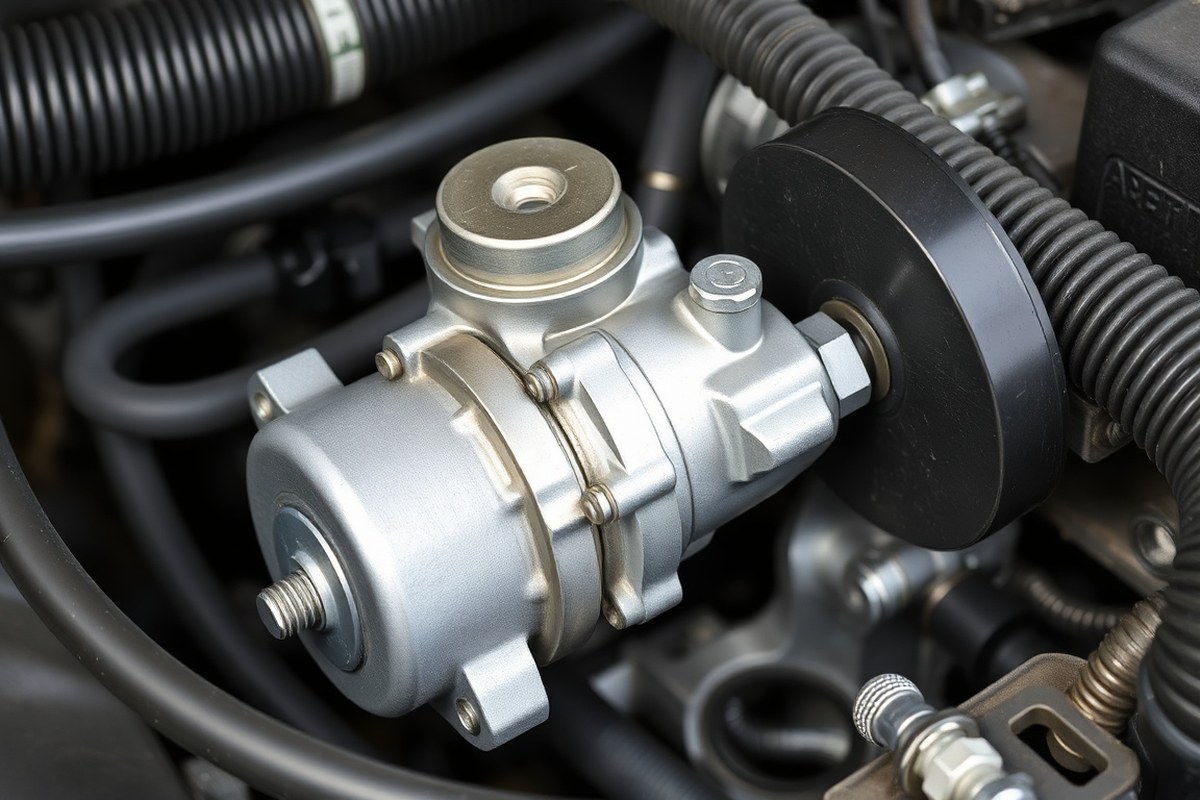
One early sign of a bad power steering pump is a stiff steering wheel. It may feel hard to turn. This usually means the pump is failing.
This happens because the pump can’t build enough pressure to assist with steering. You might notice this especially at low speeds or when parking.
Next, listen for unusual noises when you turn the wheel. A bad power steering pump often makes whining or groaning sounds. You might hear noises when you steer sharply.
These sounds can get louder. They also happen more when the engine is cold.
Leaks are also a common sign. Look under your car for reddish fluid puddles or stains. Fluid leaks make the pump lose pressure.
This causes steering issues. It can also harm other parts.
Another symptom is a squealing sound during engine startup. A slipping pulley or belt can cause this. Wear or low tension often causes slipping.
This affects the pump’s performance. Addressing this early can prevent further pump damage and steering failure.
A steering wheel that shakes or jerks when you turn can mean the pump is going bad. This happens when the pump’s internal parts are worn and can’t maintain smooth pressure. Spotting this means you should check the pump right away.
These symptoms often come together rather than occurring alone. To confirm the pump is the problem, check for low or dirty power steering fluid first. Fluid levels look fine, and the fluid itself looks good.
But symptoms remain, the pump likely needs attention. This step helps avoid confusing pump issues with other steering parts that can show similar symptoms.
2. Checking Power Steering Fluid: Level, Color, and Contamination
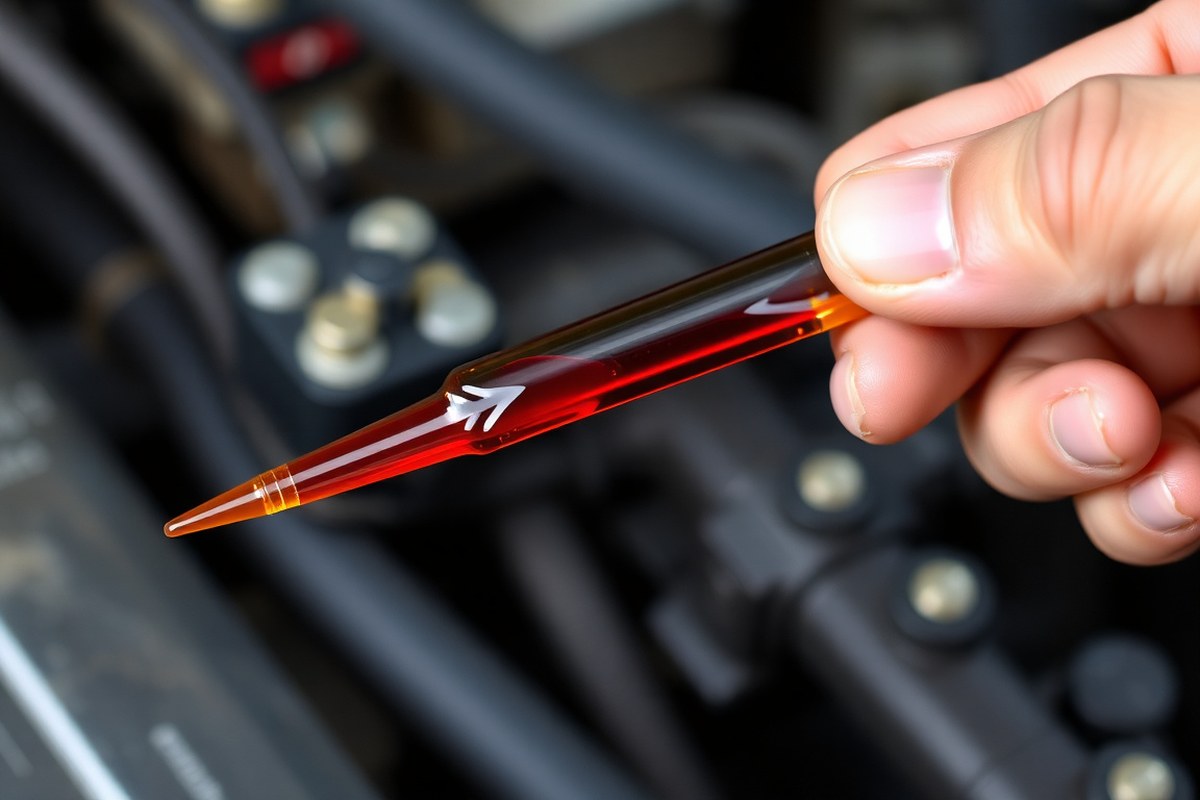
Checking the power steering fluid level and condition can help spot early pump problems. Low fluid often means a leak or pump issue.
Dirty or foamy fluid shows contamination or air in the system. Proper fluid means your steering feels smooth and quiet.
Check for three main fluid problems: low level, dark color, or foam. Also inspect for metal flakes in the fluid. These signs show fluid issues.
Low fluid causes whining noises and hard steering. Dark fluid means the fluid is old or breaking down.
Foamy fluid shows air trapped in the system, which needs bleeding. Metal flakes mean internal pump damage.
Follow these steps to check your power steering fluid properly and know what to do next.
- Turn off your engine and park on a level surface to stabilize fluid.
- Open the hood and find the power steering fluid reservoir. It usually has a cap labeled “Power Steering”.
- Remove the cap and wipe the built-in dipstick clean with a lint-free cloth.
- Dip the stick into the reservoir again. Pull it out to check. Match the fluid level with the marked lines on the stick.
- Inspect the fluid color: it should be clear or light amber, not dark or cloudy.
- Look for signs of foaming or bubbles floating on top of the fluid.
- Check for any visible metal flakes or particles in the fluid, which signal internal wear.
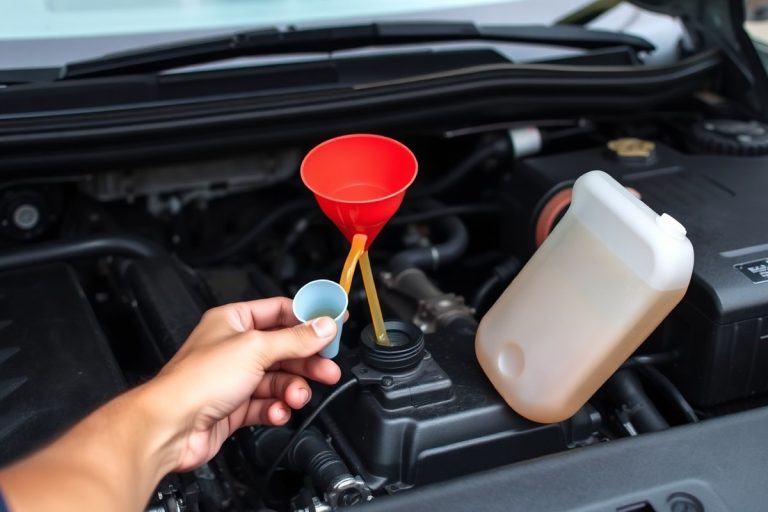
- Add the correct power steering fluid if the level is low. Use the type listed in your owner’s manual. Do not mix fluid types.
The fluid dark or dirty needs flushing. Replace it promptly to protect the pump. Old fluid can cause pump damage.
To clear trapped air after filling, start the engine. Turn the steering wheel fully left and right several times.
This helps bleed the system. This bleeds the system and clears foamy fluid.
Never mix different types of power steering fluid. Mixing fluids can damage the pump and seals.
3. Noises and Vibrations That Indicate Pump Problems
A whining or groaning noise shows when you turn the steering wheel. This often means the power steering pump bearings are going bad. Bearings wear out and cause those sounds.
This noise gets louder as you steer more, signaling increased strain on the pump. Such sounds show the pump isn’t circulating fluid properly, causing it to work harder.
Squealing on startup can also point to a bad pump. But it may mean the drive belt slipping or being loose. First, check the belt tension and belt condition.
Worn belts cause squeals before the pump fails. Make sure the belt is tight and not cracked. The pump might be working hard if the belt looks okay.
It could have trouble moving the fluid. This causes noises and steering issues.
Vibrations or jerking in the steering wheel usually come from uneven pressure in the steering system. A failing pump can create these feelings by not supplying steady pressure to the steering gear. These symptoms often come with strange noises.
Air or dirt in the fluid can also cause them. Contamination stops the pump from working right.
- Whining or groaning increases when turning the wheel sharply
- High-pitched squealing at engine start, especially if the belt slips
- Steering wheel vibrations or jerks during normal driving
- Check the pump pulley for wobbling or rough spinning
- Inspect power steering fluid for foam, dark color, or low level
- Listen for noises while parked and turning wheel to isolate pump
- Feel for increased steering effort or stiffness during turns
Listen closely with the engine running as you turn the wheel slowly. Noises from the front usually come from the pump location.
Then, check the belt and pulley for damage or looseness. A worn pulley can worsen pump noises and vibrations.
Fixing a failing pump early reduces wear on the steering system. Replacing a bad pump usually costs between $200 and $600. The price depends on the vehicle and labor rates.
Ask your mechanic for a quote. You might try topping off or flushing the power steering fluid. But if noises and vibration stay, replacement is often needed.
4. Distinguishing Power Steering Pump Issues from Rack and Pinion Problems
Many symptoms of the power steering pump and rack and pinion can look alike. You can tell the parts apart by their symptoms. Some issues affect the pump.
Others only happen with the rack and pinion. Simple tests will help confirm which part needs fixing.
Common Symptoms Caused by the Pump
The power steering pump mainly changes the effort it takes to turn your wheel. You might notice hard steering, especially when the engine is off or at low RPMs. The pump often makes whining or groaning noises during turns when fluid struggles to flow.
Leaks near the pump or a worn belt that drives the pump pulley are common signs. The pump failing can make your steering feel jerky. It might also feel uneven.
Driving with a bad pump can cause more damage. It may hurt the rack or hoses. This will raise your repair costs.
Symptoms Specific to Rack and Pinion Issues
Problems with the rack and pinion usually cause loose or sloppy steering. Your steering wheel might have play or feel loose. You could hear clunks or knocks turning.
Bumps might also cause noise. The car might wander or pull to one side unevenly.
The rack is a mechanical part that translates steering wheel motion into tire movement. Damage or wear in this component affects steering response rather than making noise while turning. Fluid leakage can also occur at the rack seals but without typical pump whining sounds.
Simple Tests to Confirm Which Part Is Faulty
Check the steering effort at idle: hard effort means likely pump trouble. Loose play points more to the rack.
Listen for noises specifically during turns. Whining points to the pump; clunks suggest rack issues.
Try turning the wheel with the engine off. Your steering is probably too hard when the pump is the problem.
Next, support the vehicle securely and wiggle the front wheels side to side. Excessive play indicates rack and pinion wear.
Inspect the power steering fluid level and belts. Low fluid with pump noise confirms pump failure. Fluid leaks near the rack should make you suspect rack issues.
These steps help most cars. They can save you repair costs. Pinpoint the faulty part early.
Here’s a quick table comparing key symptoms to help you decide:
| Symptom | Power Steering Pump | Rack and Pinion |
|---|---|---|
| Steering Hardness at Idle | Common | Rare |
| Whining Noise When Turning | Yes | No |
| Loose Steering Play | No | Yes |
| Clunking or Knocking Sound | No | Often |
| Fluid Leaks | Near Pump or Hoses | Near Rack |
| Jerky or Uneven Steering | Common | Possible |
Following these distinctions and tests helps isolate the failing component. It also avoids unnecessary parts replacement and lowers how much you pay for repairs.
5. Inspecting the Power Steering Pump, Belt, and Pulley for Wear
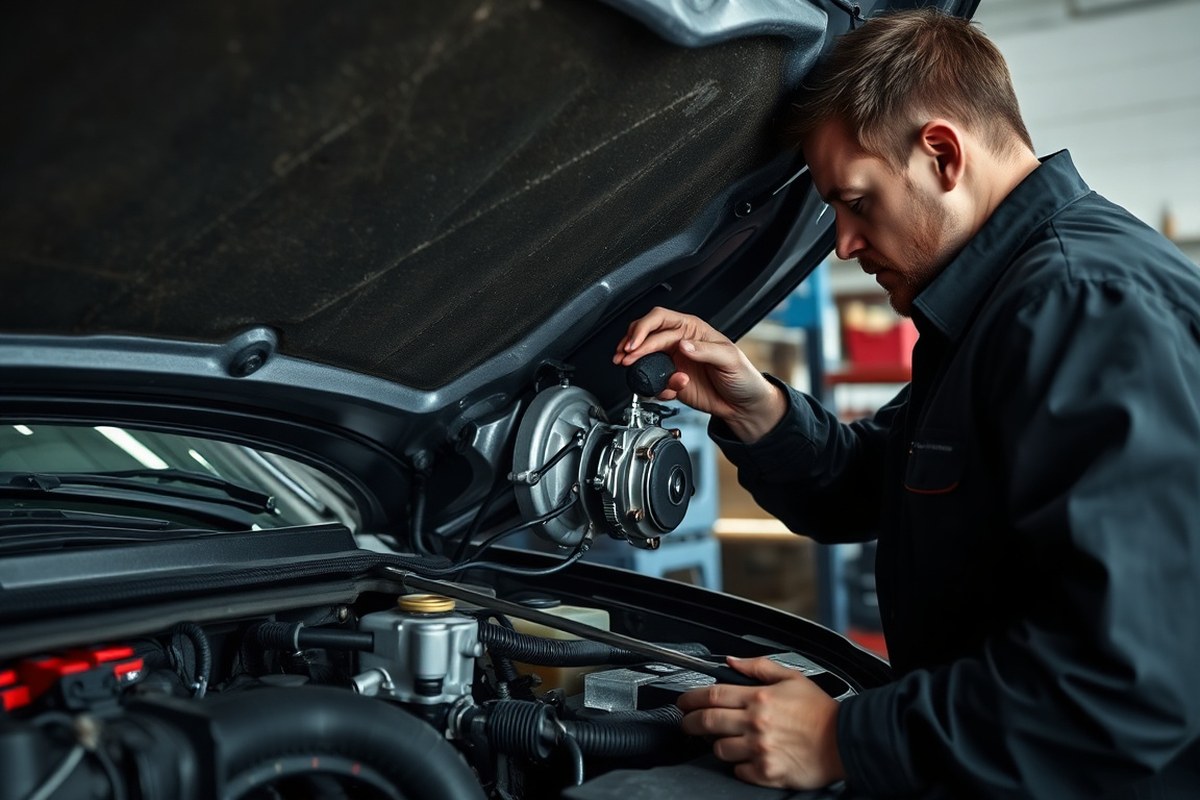
Look closely at the power steering pump, belt, and pulley for any damage or wear. A bad pulley often shows visible signs like cracks, bends, or rust buildup.
Check the belt for cracks, glazing (shiny surface), or fraying edges. These signs mean it might be slipping or stretched.
A slipping belt stops the pump from turning properly, causing weak steering or strange noises. Spot metal shavings near the pulley or in the fluid?
It means the pump’s parts may wear out fast. That means you should replace the pump soon to avoid bigger repairs on the steering rack.
- Turn off the engine and open the hood to locate the power steering pump and belt.
- Look closely at the pulley for dents, bends, or rust around the edges.
- Inspect the belt for cracks, fraying, and a glazed or shiny look.
- Feel the belt for looseness; it should withstand moderate pressure without slipping.
- Spin the pulley by hand; it should turn smoothly without wobbling or grinding noise.
- Check around the pump and pulley for metal shavings or debris on the belt or housing.
- Is the belt worn or loose? Adjust the tensioner with a wrench or replace the belt.
- Replace the pulley if it shows physical damage or causes rough pulley movement.
Replace any cracked or glazed belt right away to prevent pump damage and steering issues.
6. Simple Home Tests to Confirm Power Steering Pump Health
You can run simple tests at home to check if your power steering pump is bad. These tests help you notice unusual sounds, feel steering wheel resistance, and spot fluid leaks. Each step takes a few minutes with no special tools needed.
Test Fluid Level and Condition First
Low or dirty power steering fluid often signals pump troubles. Check your fluid before other tests because it affects the whole steering system’s function. Use the dipstick or reservoir markings on your vehicle.
- Park your car on a level surface and turn off the engine.
- Open the hood and locate the power steering fluid reservoir.
- Clean the reservoir cap to avoid dirt falling inside.
- Remove the cap and check the fluid level using the dipstick or reservoir markings.
- Look at the fluid color: it should be clear red or amber, not dark or cloudy.
- Add the recommended fluid type when the level is low. Fill it up to the full mark.
- Inspect for unusual particles or smells indicating contamination.
Normal fluid level and clear color mean the pump may still work well. Low or dirty fluid could cause poor pump output and stiff steering.
Listen for Noises During Slow Steering
Noisy steering can point to a failing pump. Listen for squeals or whining when starting your car.
Also notice sounds when you turn the wheel slowly. These noises often mean internal pump parts are worn.
- Start your car with the engine warmed up but idling.
- Turn the steering wheel slowly from lock to lock while observing any sounds.
- Listen for high-pitched squealing when you begin turning the wheel.
- Note any whining or groaning noises heard while keeping the wheel in a turned position.
- Stop and reverse the test a few times to confirm consistent noises.
Hearing a squeal or groan means the pump might lack fluid pressure or have worn bearings. Quiet steering under slow turns suggests the pump works normally.
Check for Leaks and Jerky Steering Wheel Movement
Fluid leaks and steering resistance are clear signs of pump problems. Look under your car for puddles and feel the steering’s smoothness. Jerky or stiff movement may mean the pump can’t build enough pressure.
- Park your car on a clean, dry surface and turn off the engine.
- Inspect under the front of the car for wet spots or fluid drips.
- Check around the power steering pump, hoses, and reservoir for leaks or wetness.
- Start the engine and slowly turn the steering wheel while parked.
- Feel for any jerky, pulsing, or unusually stiff movement in the wheel.
- Try turning sharply in both directions to test for added resistance or noises.
- Write down any fluid leaks, unusual stiffness, or jerky wheel feedback.
Leaks mean fluid loss that starves the pump, leading to steering issues. Jerky or stiff steering during this test strongly suggests the pump needs repair or replacement.
7. Causes and Prevention of Power Steering Pump Failure
Power steering pumps fail mostly due to worn internal parts, fluid contamination, or low fluid levels. Worn parts reduce the pump’s ability to move fluid. This causes a delayed steering response.
You may hear loud noises near the steering stops. Contaminated fluid clogs the system, increases friction, and leads to faster wear on the pump’s components.
Low fluid, left unchecked, causes extra strain that eventually damages the pump. You should check fluid levels at least once a month and top off if needed.
Also, look for discoloration or debris in the fluid. Dark or dirty fluid means it’s time to change it and flush the system.
Changing the power steering fluid every 50,000 miles is a solid rule for most vehicles. Some newer models have sealed systems that may require less frequent changes.
Follow your manual’s advice if it’s different. Flushing the system during fluid changes helps remove any buildup and prevents clogging.
Keep your fluid clean and full to avoid early pump failure. Don’t turn the wheel to full lock for long. Replace the pump belt if it’s worn or loose.
Inspect hoses and fittings too, since leaks or cracks let in dirt and air. A clean, tight system runs cooler and lasts longer, saving you money on repairs.
Ignoring these steps could cost you $300 to $800 or more. The price depends on your car and labor costs. Older vehicles with hydraulic setups need this care most.
Checking and replacing fluid costs under $50 at a shop. So it’s a small price to pay to avoid a major pump failure.
8. Costs and Time Required to Replace a Power Steering Pump
Replacing a power steering pump takes 2 to 4 hours. It usually costs between $200 and $600.
Costs depend on your vehicle type and whether you choose a new or remanufactured pump. Labor rates and part quality also affect the total price.
Parts Cost Variation: New vs Remanufactured
The price of a power steering pump varies widely. A basic aftermarket pump costs around $100.
OEM or luxury vehicle parts can cost much more. Remanufactured pumps tend to sit in the middle price-wise, offering a balance of reliability and savings.
Replacing the pump often requires new power steering fluid. Sometimes, if the old pump failed internally, you’ll want to replace connected components to avoid damage. This adds to parts costs but can protect your steering system long term.
| Vehicle Type | Parts Cost Range | Labor Time (hours) | Labor Cost Range |
|---|---|---|---|
| Economy Car | $100 – $250 | 2 – 3 | $150 – $300 |
| Mid-Size Sedan | $150 – $350 | 2 – 4 | $200 – $400 |
| Luxury Vehicle | $300 – $600+ | 3 – 4+ | $350 – $500+ |
| Truck / SUV | $200 – $450 | 3 – 4 | $250 – $450 |
Parts prices vary mostly by brand and new vs remanufactured. Labor time increases with engine complexity. The total cost range provides a realistic estimate depending on your vehicle’s difficulty.
Labor Time and Rates by Vehicle Complexity
Removing and installing a power steering pump usually takes two to four hours. Simpler engine layouts like those in economy cars often are faster to repair. Trucks and SUVs may take longer due to harder-to-reach pumps.
Labor rates depend on your local repair shops. On average, mechanics charge between $75 and $125 per hour. More expensive shops or dealerships cost more, and that impacts your total bill significantly.
Sometimes replacing hoses, belts, or other steering parts adds to labor time. That can push total repair time beyond four hours, raising overall expenses. Factor in those costs if your vehicle suffers from additional steering problems.
DIY Replacement Considerations
You can save money by replacing the pump yourself. This works best if you have basic tools and space.
The main expense is buying the parts, which can start around $100. You also need power steering fluid and possibly some specialty tools.
Be careful to flush the system after a pump failure. Remove metal shavings before installing a new pump.
Skipping this step can ruin the new pump quickly. It’s important to follow detailed procedures or get help if you’re unsure.
Some vehicles have pumps hidden behind other components, requiring removal of belts, pulleys, or accessories. This can make DIY replacement more difficult and time-consuming. Decide based on your skill level, tools, and available time.
Fully flush the steering system after replacing the pump. This helps avoid damage to the new part.
9. When to Call a Professional for Power Steering Pump Issues
Driving with a bad power steering pump can become unsafe quickly. Notice your steering feels stiff or jerky?
Don’t drive far. Loss of power steering assist makes it harder to control the vehicle and increases accident risk.
Call a professional if the fluid and belt appear fine, but the problem continues. Complex issues often require a hydraulic pressure test.
Mechanics use a special gauge for this to pinpoint pump failure accurately. This test is not something you can do safely or effectively at home.
Also, avoid DIY repairs for leaks inside the pump or noisy bearings. These problems need special tools and skills to fix. Messing with sealed or pressurized parts risks injury or worsens the damage.
Choose a mechanic who is experienced with power steering systems. Check reviews for shops offering hydraulic pump tests.
Tell the mechanic details about your car’s symptoms and any recent repairs. This information speeds diagnosis and reduces unnecessary work.
Explain exactly when the steering feels heavy or noisy. Mention how long the issue has lasted and if the fluid level changed.
Note if you smelled burning or saw fluid drops under the car. Providing this helps the mechanic identify the problem faster and give you a clear repair estimate.
Costs change depending on your vehicle and repair needs. A pump replacement usually costs $200 to $500. Allow a couple hours for the service.
Choose a good shop for safer handling and fewer repairs. You’ll also feel better about your steering’s health.
Step-by-Step Action Plan to Check and Fix Your Power Steering Pump
Follow these clear steps to find out if your power steering pump needs repair or replacement.
- Day 1: Check your power steering fluid level and color. Clean fluid and full level mean your pump might still be good.
- Day 2: Listen for whining or groaning noises while turning the wheel. Noises that fade after adding fluid mean you should flush and refill it.
- Day 3: Inspect the pump, belt, and pulley for cracks or wear. Replace any damaged parts to avoid further problems.
- Day 4: Turn the wheel with the engine off. Then, try it again with the engine on. Harder turning or more noise with engine on signals pump issues.
- Day 5: Listen for clunks to check the rack and pinion. Also, look for fluid leaks near the rack. Focus on the pump if those signs are missing.
- Day 6: Prevent future failure by checking fluid monthly and keeping the belt tight. Catch problems early by watching for vibration or noise.
- Day 7: Decide if you can replace the pump yourself. You need the right tools and skill. Or, book a professional to fix it. Cost and time vary widely by car model.
- Week 2: After you replace or service parts, drive carefully. Listen for new sounds or stiff steering. Clear signs mean return to repair or call a mechanic.
Frequently Asked Questions
What Causes Power Steering Pump Failure Besides Wear?
Contaminated fluid, low levels, or a slipping belt can cause pump failure. Keeping fluid clean and belts tight helps prevent damage.
Can a Bad Power Steering Pump Damage Other Parts?
Yes, it can cause strain on the rack and pinion or belts. Catching problems early avoids costly repairs to related parts.
How Often Should You Inspect the Power Steering Pump?
Check it every 15,000 to 30,000 miles or during oil changes. Regular checks help spot leaks and wear before failure.
Can Low Power Steering Fluid Mean a Bad Pump?
Not always; leaks elsewhere could cause low fluid. But a worn pump may also leak or burn fluid, so investigate both.
Is It Safe to Drive with a Failing Power Steering Pump?
Driving is possible but steering will feel heavy and risky. Have it checked soon to avoid losing steering control.
Final Thoughts
Your power steering pump’s health shows through fluid, noise, and effort to turn the wheel. A clear test or proper inspection will guide your next step. Start by checking your fluid today and watch how your steering feels.