Can You Go to Prison for Driving Without a Licence? Complete Legal Penalties Guide
Yes, you can go to prison for driving without a licence. The rules change depending on your state and the exact situation.
Many places treat it as a misdemeanor and focus on fines. Still, some states impose jail time, especially if you’ve been caught before.
The main issue is whether you never got a licence at all or if your licence is suspended or expired. Driving on a suspended or revoked licence usually comes with tougher penalties. In some states, multiple violations automatically mean jail time.
After getting a ticket, your first move is to carefully review the charges. Laws differ widely, so consulting a local lawyer can make a difference. Don’t drive until you sort out your licence to avoid risking jail or heavier fines.
Key Takeaways
- Penalties for driving without a licence vary widely by state and offense.
- Driving on a suspended licence increases the chance of jail time.
- First-time offenders usually face fines and misdemeanor charges.
- Driving without a licence can cause insurance rates to rise sharply.
- Expired licences under 6 months often lead to traffic infractions, not jail.
- Repeat offences carry heavier penalties, including possible prison sentences.
Can You Actually Go to Prison for Driving Without a License?

You can go to prison for driving without a license. But it usually depends on the situation. Jail time usually targets repeat offenders or those with suspended licenses.
Courts often jail people who drive while their license is revoked. Most first offenses lead to fines and maybe community service, not jail.
Serious cases include causing accidents or breaking other laws while unlicensed. These cases increase the chance of serving prison time. Some states label multiple offenses as felonies.
Felonies can bring prison time from one to five years. Fines in these cases may also reach $25,000 along with lengthy license bans.
Minors caught driving without a license usually face misdemeanor charges. They might get a fine and possibly some jail time.
But long prison sentences are rare for under-18 drivers. States often aim to correct behavior through penalties rather than harsh incarceration for young drivers.
Jail is less likely if the offense is a simple first-time mistake without other violations. Many states only issue fines or short penalties for these cases.
Driving without insurance and no license raises penalties. It can lead to jail or your vehicle being impounded.
The length of prison time varies with the severity and state laws. Most jail times for unlicensed driving last days to months.
These usually apply to misdemeanor charges. Felix charges for repeated offenses or related crimes can lead to longer sentences of several years.
Driving without a license is serious when mixed with other crimes or repeats. The law treats these cases more strictly. Courts often give prison time to stop harm or repeat crimes.
They want to deter dangerous or illegal driving behavior. Otherwise, jail time remains an option but is rarely the first penalty imposed.
How Illegal Is Driving Without a License Across States?
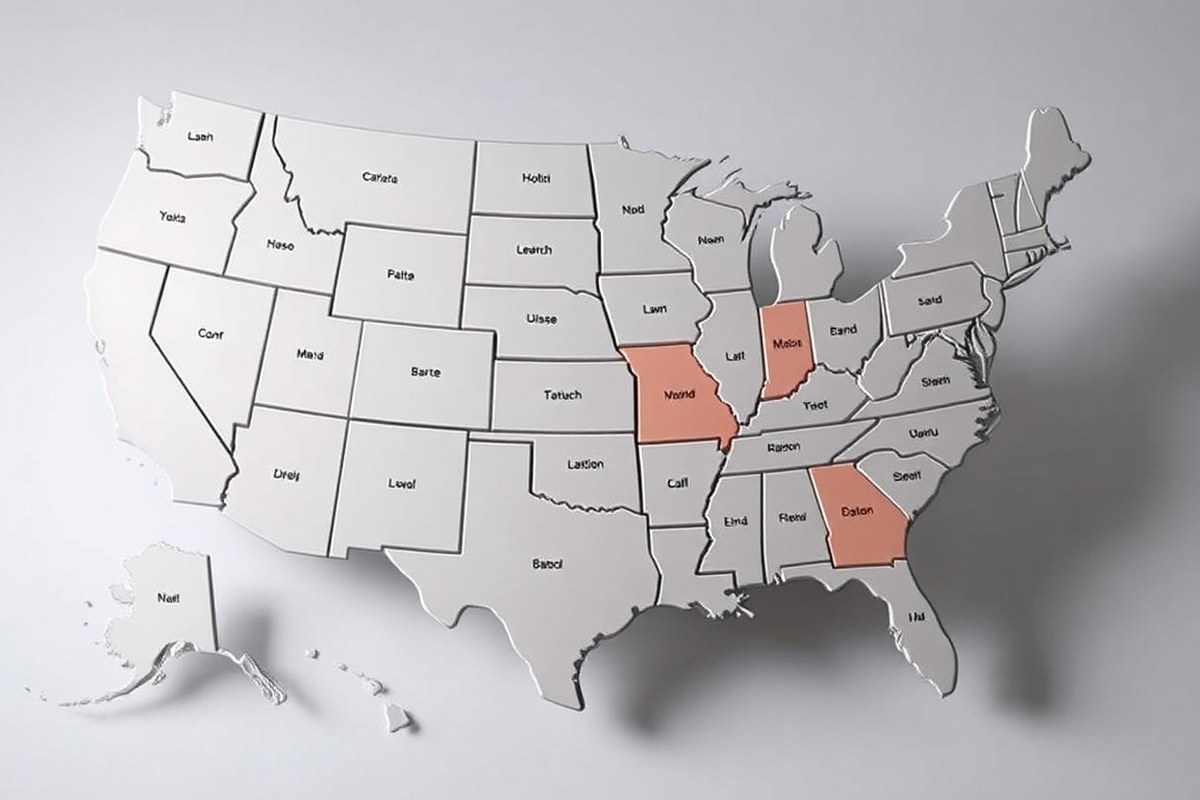
Driving without a license is illegal in all 50 states. Each state sets its own rules and penalties for unlicensed driving. This includes driving without a license at all.
It also covers driving with an expired license. Driving while suspended is part of this too.
Some states give new residents or renewers extra time. This grace period lasts about 30 to 60 days. But driving might still be against the law then.
The law often treats expired licenses like having no license at all. Many states impose similar fines or charges for both situations.
Driving with a license expired less than six months might be a noncriminal traffic infraction. But that differs by state.
International driver’s licenses are not always recognized in the U.S. Some states allow visitors to drive with a valid foreign license for a short time. After that, you need to get a local license or stop driving to avoid penalties.
Fines for driving without a license vary widely, from $100 up to $1,000 or more. Driving without carrying your license usually brings smaller fines. These fines often range from $25 to $250.
The penalty depends on the state law. Penalties can include misdemeanor charges or traffic infractions depending on your state’s laws.
Driving on a suspended or revoked license carries harsher penalties. This offense is more serious than no license at all. It often leads to higher fines or jail time.
Many states make you show financial responsibility after suspension or unlicensed driving. They require an SR-22 certificate to prove this.
Your insurance company files this form for you. This adds another layer of cost and complexity.
Always verify your state’s rules about driving without a license. This helps you avoid fines or legal trouble. Don’t assume all states treat it the same.
Typical Penalties for Driving Without a Valid License
Typical fines for a first offense of driving without a valid license vary by state. The fine usually ranges from $100 to $750. Some smaller states charge less.
Harsher states may charge more. Jail time can also apply, usually from a few days up to six months. But some states only use jail for repeat offenders or serious cases.
The penalties rise if you get caught again. Fines often increase above $1,000. Jail time or community service may be added.
Your vehicle could get impounded too, which adds towing and storage fees on top of fines. These extra costs add up fast and cause more difficulty getting around.
| State | Offense Type | Charges (1st Offense) | Charges (Subsequent Offenses) |
|---|---|---|---|
| Alabama | Misdemeanor | Fines: $100-$500; Imprisonment: Up to 180 days | Increased fines and potential jail time |
| Alaska | Misdemeanor | You could face a fine up to $500. Jail time may last two days to six months. | Increased penalties |
| Arizona | Class 2 Misdemeanor | The fine can reach $750. You might spend up to four months in jail. Your vehicle could be impounded. | Increased penalties |
| Arkansas | Misdemeanor | Fines: Maximum $500; Imprisonment: Up to 90 days | Increased penalties |
Some states like New Jersey and Virginia hit the hardest. You could pay fine amounts over $3,000 on a first offense.
Jail time is possible even for your initial violation there. These harsher penalties reflect state efforts to strongly discourage unlicensed driving.
Apart from fines and jail, you face added charges like vehicle towing and impound fees. Your license suspension times may stretch longer with repeated violations. Insurance companies often raise your rates or cancel your policy altogether after a conviction.
Driving without a license often turns into a chain of consequences. Each step increases your financial and legal risks. Staying off the road until your license is valid avoids all these troubles.
Why Driving on a Suspended License Is More Serious
Driving without a license means you never had legal permission to drive. Driving on a suspended license means you once had a license. But it was taken away temporarily or permanently.
The law sees suspended license cases as more serious than others. You knowingly broke rules after losing your driving rights. That makes courts less forgiving.
Penalties for driving while suspended get stricter than for no license. Many states treat this as a criminal act.
This can bring arrest, fines, or jail time. Courts call it an intentional repeat offense and add longer suspensions or community service.
Your legal risks increase with a suspended license. Police may arrest you on the spot instead of just giving a ticket. You may face charges that make future driving harder.
It can cost more time and money to get your license back. These penalties affect your driving privileges in the long run.
Driving without a license is illegal but usually treated as a traffic violation. Fines and court fees often start at a few hundred dollars. The total can grow depending on your state.
This adds extra costs besides legal problems. Still, there’s rarely jail time for a first-time offense unless other laws are broken too.
Suspended licenses often result from serious issues like unpaid fines, DUI, or accidents. States treat drivers with suspended licenses as a higher danger to public safety. This explains why they apply stricter penalties to discourage breaking the laws again.
Some states allow defenses if drivers did not get proper notice about suspension. You might avoid jail or reduce penalties by proving you didn’t know your license was suspended. However, successfully using this depends heavily on paperwork and exact local rules.
Repeat offenses or driving while suspended for DUI can result in mandatory jail time. Courts may also require installation of ignition interlock devices once your license is reinstated. This device stops your vehicle from starting if it detects alcohol on your breath.
Drivers without any license might face lesser consequences but still risk accidents and legal hassles. Those driving on a suspended license face not just fines but serious court scrutiny. Avoid driving until your license is fully valid again to prevent bigger problems.
What Happens During a Traffic Stop for No License?
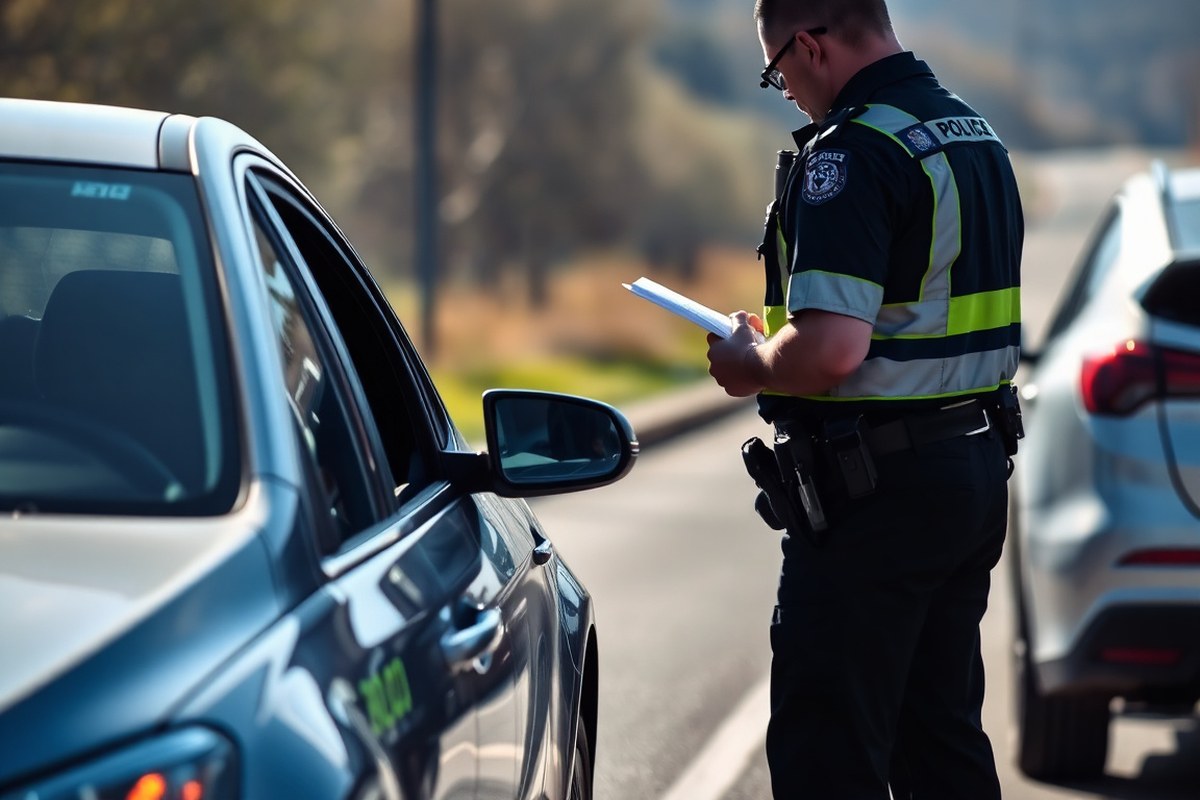
When police pull you over, they stop your vehicle first. They ask for your identification and vehicle papers. This helps them verify your identity quickly.
They likely check your license status electronically. What you say and do can affect the consequences you face.
Police Procedures at a Traffic Stop
Officers initiate a traffic stop by signaling you to pull over safely. After stopping you, the officer comes to your vehicle. They ask for your driver’s license.
They also request your registration and proof of insurance. Police usually check your license status with a computer system.
They use your information or your plate number for this. This confirms if your license is valid or not.
Officers ask who is driving the vehicle. They also ask if you have a valid license. They often ask where you are heading.
The officer may ask more questions about your license history. They may look into past suspensions or violations. This happens when you don’t have a license.
Sometimes the police take your vehicle with them right away. This happens if you don’t have a valid driver’s license. They do this to enforce the law.
Recommended Driver Responses
Stay calm and keep your hands visible on the steering wheel. Wait until the officer asks you for documents before reaching into your glove box or pockets. Do not lie about holding a license, but don’t volunteer extra information either.
Answer direct questions honestly but briefly. For example, say: “I don’t have a driver’s license.” Avoid admitting to driving recklessly or under influence, which can worsen the situation.
You have the right to stay silent except giving ID. You can also ask for a lawyer if you get arrested. These rights protect you during police stops.
Always be polite and cooperative; arguing rarely helps and can escalate the stop.
Handling Vehicle Impound and Citation
Your vehicle might be taken by police on the spot. This is common if they find you driving without a license. It stops you from driving illegally.
Getting your car back may cost from $100 to $300. Fees depend on where you live and local rules.
You must pay towing and storage charges. You’ll also likely receive a citation or ticket for driving without a valid license.
The citation may require a court appearance or payment of a fine between $100 and $1,000. Ignoring a citation can lead to worse problems. You might face arrest warrants for not responding.
It can also mean more fines or penalties. Following the instructions on the ticket carefully helps avoid these complications.
- Slow down and find a safe spot to pull over.
- Keep your hands visible on the wheel.
- Provide your vehicle registration and proof of insurance when asked.
- Answer questions briefly and honestly.
- Admit you don’t have a license if asked directly.
- Do not volunteer more information than requested.
- Understand your right to remain silent beyond basic ID.
- Retrieve your vehicle promptly if impounded to minimize fees.
Impact of Driving Without a License on Insurance and Financial Costs
Driving without a license usually raises your car insurance rates a lot. Insurers treat you as a higher risk because driving unlicensed shows risky behavior. This can cause your premiums to jump significantly after a conviction or ticket.
The total cost of a first-time conviction often tops $3,000. This total includes fines, fees, and the added insurance premiums you’ll face. So, even if the fine seems low, your insurance bill can quickly make it expensive.
An SR-22 is a special certificate your insurance company files with the state. It proves you carry the minimum required insurance. Courts often require an SR-22 after a driving without a license conviction to monitor your coverage.
Getting an SR-22 can make your insurance premiums go up even more. It typically stays on file for three years but varies by state. To get an SR-22, you usually must pay a filing fee plus higher monthly premiums.
The financial costs go beyond just fines and insurance. You might pay court costs, reinstatement fees, and administrative charges. These fees vary widely depending on your state and the circumstances of your case.
Driving without a license or not carrying it can still get you charged. Being convicted in this way often triggers court orders to follow strict rules. Your failure to comply can lead to additional penalties and costs.
Avoiding driving until you get your license back helps limit these costs. Restoring your license involves paperwork and fees. You might need an SR-22 form.
These steps take time and effort to complete. This process takes weeks to months, depending on your state’s rules.
More serious situations, like accidents or DUI while unlicensed, cause even bigger financial hits. These cases lead to harsher fines and longer insurance increase periods. Crashing without a license usually means bigger settlements.
You could pay for more damages yourself. That risk can cost you a lot.
Defenses and Legal Options If Charged with Driving Without a License
You can use legal defenses to reduce or avoid penalties for driving without a license. Appealing a conviction is possible if you act quickly and follow court rules. Hiring a lawyer can lower your fines or help avoid jail.
They use defenses and appeal options to protect you. This can make a big difference in your case.
Common Legal Defenses
Some defenses argue you had a valid license but didn’t carry it. Arkansas courts may dismiss charges if you had a license. You must prove you had it during the stop.
Showing this at the right time helps avoid penalties. Others defend based on mistakes, like expired licenses recently renewed in Rhode Island or South Dakota.
Some defenses claim errors in the ticket or stop. For example, wrong vehicle info or police mistakes. These errors can get charges dropped or reduced.
Sometimes, showing you needed to drive in an emergency can help. Each defense depends on your state’s laws and your specific situation.
Lawyers can also negotiate community service or defensive driving in exchange for less severe punishment. A first offense might let you pay fines or get deferred adjudication.
This works if you keep a clean record. It avoids jail time in many cases.
Steps to Appeal a Charge
Start by understanding your state’s appeal deadlines, usually 10 to 30 days after conviction. File a formal written notice of appeal with the court to begin. Missing this window means you lose your right to appeal the charge.
Gather court documents and evidence before your appeal hearing or trial de novo. A lawyer can file motions, present new facts, or argue mistakes in the first trial. They may work to reduce fines or win dismissal based on legal errors.
You can ask the court for community service instead of fines. Deferred adjudication is also an option to avoid jail. These choices often depend on your judge.
Appeal success varies by state and case details. It helps to know local rules and get legal advice immediately after charges.
Document Preparation Tips
Collect your driver’s license or renewal proof to show you were licensed during the arrest. Keep receipts or screenshots if you recently renewed or applied for your license. Courts may accept these to reduce charges or dismiss your ticket.
Write a clear timeline describing events before and after the traffic stop. Explain any emergency or misunderstanding honestly. Your lawyer or the court needs exact dates and locations.
- Your valid driver’s license or renewal receipt
- Proof of enrollment in defensive driving courses
- Community service certificates if already started
- Written statements or affidavits from witnesses
- Documentation of vehicle ownership and registration
- Court notices and fine payment receipts
Present all these documents well before your court date. Organized papers show the judge you are serious about addressing the charge fairly. Not having proper documents may weaken your defense or hurt your appeal chances.
How Long Do Penalties and Records from No-License Driving Last?
Fines for driving without a license usually stay on your record. They stay for about three to five years. This depends on your state’s rules.
The exact length depends on your state’s laws and the details of your offense. These records affect your insurance and your ability to get a valid license again.
Insurance companies see a no-license driving record as a sign of higher risk. That means your premiums can stay higher for at least three years. Insurance rates can stay high longer if you have multiple violations.
Serious offenses linked to no-license driving make rates rise more. This can last years.
Penalties like fines or driving bans may last longer if you repeat the offense. Repeat violations can lead to several years of record consequences. Some states treat repeat no-license driving as a felony.
Felony records can stay on your criminal history permanently. Sometimes they last many years.
Getting penalties removed or expunged depends on where you live. Some states allow you to request expungement after fulfilling all penalties and waiting a certain time. This means you must pay all fines.
Complete any suspension periods. Stay clean of new offenses for one to five years.
Keeping a clean driving record after a no-license offense speeds up license eligibility. You often need to wait out a penalty period. This can last six months to several years.
Only then can you apply for a new license. Sometimes, paying additional fees or completing driving courses is also required.
Check your state’s rules carefully. Driving without a license may stay on your record longer. It can last more than you expect.
Getting Your License Back and Avoiding Future Charges
Getting your license back after suspension or revocation means following specific state rules. You have to clear your fines. Follow the court rules.
Show you can drive safely again. Staying legal helps you avoid more serious charges and stays safer on the road.
Steps to License Reinstatement
Each state has its own process for reinstating a suspended or revoked license. Generally, you must meet all legal and financial obligations first. Then you can start the official reinstatement process.
- Check your state’s DMV website or call to find out your specific requirements.
- Pay all outstanding fines or fees related to your suspension or revocation.
- Complete any court-ordered programs, like DUI classes or community service.
- Wait out the mandatory suspension period set by the court or DMV.
- Pass any required exams, such as a vision test or written knowledge test.
- Submit a formal reinstatement application through your state DMV.
- Pay reinstatement fees, which can range from $50 to over $200.
- Receive your license or a temporary permit that allows you to drive legally.
Ignoring these steps may lead to increased fines, longer suspensions, or jail time. The DMV can deny your reinstatement application if you fail to meet all conditions.
Criteria for Hardship and Restricted Permits
Some drivers qualify for limited driving privileges during a suspension. These permits let you drive to work, school, or medical appointments only. States often grant these to people who show a real need and good behavior.
To apply, you usually must file a formal request and prove your hardship. This can include letters from employers or medical professionals. Approval depends on your offense history and the reason for suspension.
Checklist to Avoid Future Violations
Stick to these rules to keep driving legally and avoid harsher penalties. Renew your license before it expires, and always carry it when driving. Pay all traffic tickets on time and follow court orders without delay.
Regularly check your DMV status to catch problems early. Start the reinstatement steps right away when your license is suspended again. Staying compliant avoids legal trouble and keeps your insurance costs down.
Step-by-Step Action Plan for Handling a No-License Charge
Follow these steps right after a no-license charge. They help reduce penalties and prevent future issues.
- Immediately after the charge: Contact a traffic attorney for legal advice. Confirm understanding of your rights and options.
- Within the first week: Gather documents like previous license records or any proof of attempted licensing. Make sure everything is complete and organized.
- Before your court date: Attend any required driving classes or educational programs. Check if the court gives credit for completing these.
- On the court date: Show up early, dressed neatly, and be respectful. Note how the judge responds to your case.
- Right after court: Follow all court orders, such as paying fines or attending more classes. Confirm each requirement is fully met.
- After the penalties end: Apply for your driver’s license if you don’t have one. Use a state DMV website to check your eligibility.
- Ongoing: Drive only when properly licensed. Keep proof of your license updated and ready.
Frequently Asked Questions
Can a First-Time Offender Go to Prison for Driving Without a License?
Yes, first-time offenders can go to prison in some states. Sentences depend on the state laws and specific case details like previous offenses or harm caused.
Is Driving Without a License Treated Differently If It’s Your Own Vehicle?
No, the type of vehicle owner doesn’t change penalties. Driving without a license remains illegal whether driving your vehicle or someone else’s.
Can Driving Without a License Affect Your Ability to Get a Job?
Yes, having a driving offense can impact job opportunities. Employers often check driving records, especially for jobs requiring driving.
Do DUI Charges Combine with Driving Without a License Penalties?
Yes, if you’re caught driving without a license while intoxicated, penalties get harsher. You face penalties for both offenses separately.
Is It Possible to Have Charges Dropped for Driving Without a License?
Yes, legal defenses can sometimes lead to dropped charges. Hiring a qualified attorney improves your chances in court.
Before You Go
You can go to prison for driving without a license. But it depends on the state and situation. The risk rises with repeated violations or driving on a suspended license.
Your next step should be to talk with a local attorney. They can help protect your rights. A lawyer will guide you to the best solution.