Can You Drive with a Flat Tire? What Actually Works and What Risks to Avoid
Can you drive with a flat tire? The short answer is yes.
But only for a very short distance and at low speed. You should never keep driving on a flat tire if you can avoid it.
Drive slowly, under 20 miles per hour. This helps you stay safe. You can reach a safe spot or tire shop this way.
Keep the distance under a few hundred feet. Doing this protects your wheel.
It also helps avoid suspension damage. Always assess the situation and act quickly to protect your vehicle.
Key Takeaways
- Drive under 20 miles per hour on a flat to minimize vehicle damage.
- Don’t drive far on a flat tire. Limit it to a few hundred feet. This helps you avoid costly repairs.
- Run-flat tires allow driving up to 50 miles at reduced speeds after a puncture.
- Compact spare tires should be driven no faster than 50 mph and not over 70 miles.
- Press lightly on the accelerator to reduce strain on your flat tire and wheels.
- Check your owner’s manual for specific instructions about run-flat or spare tire use.
Can You Drive with a Flat Tire? What You Need to Know
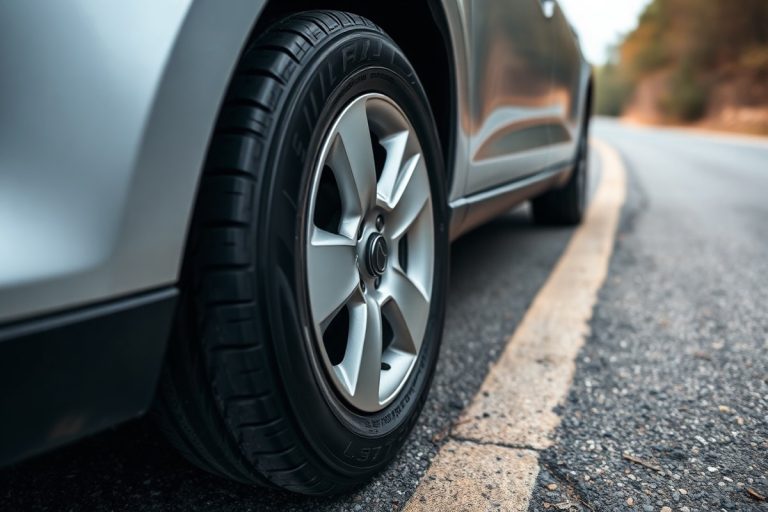
You can drive a short distance on a flat tire, but it’s risky. For most regular tires, keep your speed under 20 mph. Driving faster or farther increases damage and safety risks.
Run-flat tires give you more leeway. They allow driving up to 50 miles at 50 mph after going flat.
Even then, limit driving to necessary trips only. Use the run-flat feature just to reach a safe place or repair shop.
Driving on a flat tire damages the tire first, then the wheel. The rim can get bent or cracked quickly without air cushioning. This damage can spread to suspension parts, making the car unsafe to control.
If the tire’s completely flat, don’t drive at all. Move your car a few feet only if you must get out of traffic or danger. Always stop as soon as you safely can and fix the tire.
Trying to drive far on a flat tire can cost hundreds in repairs. You may need a new rim or suspension work. Even a small puncture can turn into a total tire loss if you keep driving.
The safest bet is to pull over immediately when you feel a flat. Don’t try to “coast” to your destination on a flat or nearly flat tire. Using a spare or calling roadside assistance reduces damage and keeps you safe.
How Far and Fast Can You Drive on a Flat Tire Safely?
Driving on a flat tire is risky. But the limits depend on the tire type and situation. Regular tires should not be driven on once fully flat.
Run-flat tires allow limited travel, while spare tires have specific guidelines from the manufacturer. Speed and distance limits protect your wheels and suspension from damage.
Here’s a simple rule: stop as soon as you detect a flat. When that’s not possible, keep safe speed and distance for your tires. Driving slowly helps reduce heat buildup and damage, especially with a flat tire.
| Tire Type | Safe Distance | Safe Speed | Notes |
|---|---|---|---|
| Regular Tire (fully flat) | 0 miles | 0 mph | Stop immediately; driving causes rim and suspension damage |
| Run-Flat Tire | Up to 50 miles | Under 50 mph | Reinforced sidewalls support car after air loss |
| Low Tire Pressure (not flat) | Short distance | Low speed | Only for immediate safe stop or repair |
| Spare Tire (temporary) | Check owner’s manual | Usually under 50 mph | Designed for limited use until permanent tire is installed |
Run-flat tires let you keep driving after complete air loss. They hold the car weight on strengthened sides.
Still, the 50-mile limit is the absolute max, not a target to push. Driving beyond that risks heat damage, misalignment, and vibration later on.
Pull over safely the moment you feel or hear a flat tire. Do this to avoid expensive damage and reduce safety risks.
Using a spare tire also needs caution. Each spare has speed and distance limits in your vehicle’s manual.
Most allow slow driving for short trips only. This helps you get to a shop without stressing the temporary tire or your car’s parts.
Driving on a completely flat regular tire means you’re rubbing the rim. This can bend or crack the wheel and damage brakes or suspension. Avoid this by stopping quickly and changing to a spare or calling roadside assistance.
Why Driving on a Flat Tire Can Cause Damage to Your Vehicle
Driving on a flat tire causes serious damage to the tire itself. The tire can start separating from the wheel or even blow apart. This damage often means the tire can’t be repaired and needs full replacement.
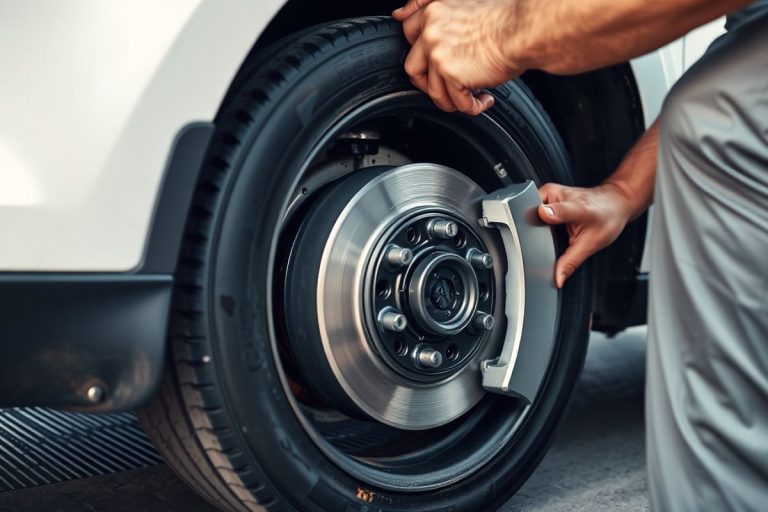
The metal wheel beneath the tire also suffers when you drive flat. Without the tire’s air cushion, the wheel can bend, crack, or get scratched. This can cost hundreds of dollars to fix and makes driving unsafe.
Flat tires throw off the vehicle’s balance and weight distribution. This makes the car pull to one side, which can risk you losing control. Even short driving on a flat can cause your wheels to become misaligned.
Suspension and steering systems feel the impact too. They absorb extra shocks and uneven forces from the flat tire. This causes accelerated wear and could lead to costly repairs or replacement parts.
Handling becomes harder and less predictable when a tire loses air. Your car may respond slower to steering inputs and feel unstable during turns. This can increase your chances of accidents, especially at higher speeds.
Driving on a flat tire may ruin a puncture you could have repaired. It turns the problem into a total tire and wheel replacement. For that reason, avoid moving on a flat tire except in emergencies.
When you drive a short distance on a flat, keep speed low. Stay under 20 mph the whole time. This helps prevent more damage to your tire.
Drive no more than a mile to reduce damage risk. Slower speeds limit heat buildup and pressure on damaged components.
Following this advice helps protect your vehicle’s wheels and suspension. It also keeps your driving safer by maintaining better control. Repair costs after driving on a flat vary.
They range from $200 to over $1,000. The price depends on how bad the damage is.
Differences Between Regular, Run-Flat, and Spare Tires for Flat Driving
Run-flat tires let you drive with zero air pressure. They are built with reinforced sidewalls to carry the vehicle’s weight. This design gives you better control if you suddenly lose air.
Regular tires, unlike run-flats, don’t support the car without air. Driving on a flat regular tire quickly damages the wheel and suspension. Usually, you can’t go far without risking costly problems.
Spare tires come in two main types: full-size and compact spares. Full-size spares match your regular tires in size and performance. Compact spares, often called “donuts,” are smaller and meant only for short distances.
Here is a comparison to help you see their differences:
| Tire Type | Drive Distance on Flat | Speed Limit | Driving Control | Notes |
|---|---|---|---|---|
| Run-flat | Up to 50 miles | Reduced speed (usually under 50 mph) | Maintains better control without air | Designed for emergency driving |
| Regular tire | Very limited, should stop immediately | Unsafe at any speed | Rapid loss of control | Needs immediate repair or replacement |
| Full-size spare | Same as regular tire | Normal driving speeds | Same control as regular tires | Good long-term temporary option |
| Compact spare (donut) | Up to 50 miles | Up to 55 mph | Limited stability | Only for short-distance emergency use |
Run-flat tires offer a safer option when facing a flat. They don’t let you go as far as a full-size spare. However, they give you time to reach a tire shop without stopping immediately.
Compact spares limit your travel distance and speed. You’ll feel a difference in how the car handles. They’re cheaper but only meant to get you a short way to fix the problem.
Full-size spares give the best temporary replacement experience. They let you drive normally but take up more trunk space. Watch your tire type closely.
It tells you what to expect. Know flat tire signs for your tire type.
Step-by-Step Checklist: What to Do If You Get a Flat Tire
When your tire goes flat, stop driving as quickly as possible. Turn on your hazard lights and find a safe place to stop. Then decide if you’ll change the tire or call for help.
Pull over Safely and Signal Hazard
Slow down and look for a wide shoulder, parking lot, or quiet street to stop. Signal early and pull over carefully to avoid blocking traffic or causing danger. Turn on your hazard lights as soon as you notice the flat.
This step helps other drivers see your stopped car. It also gives you extra space to work safely. Keep your seatbelt on until you’re fully stopped and sure of your surroundings.
Prepare Tools and Spare Tire
Before getting out, grab your spare tire and jack. Take your lug wrench and any other tools too. These usually sit in the trunk or under the rear floor panel.
Check your spare tire is inflated properly. Make sure you have all the needed tools ready.
Use your vehicle’s owner’s manual for guidance when it’s available. Bring gloves if you can to keep your hands clean and avoid cuts from rough parts.
Step-By-Step Tire Changing Process
Changing a tire has clear steps to follow for safety and success. Try to do it on level ground and away from moving traffic. Here’s a simple step-by-step process:
- Remove the hubcap or wheel cover with a flat tool if needed.
- Use the lug wrench to loosen lug nuts slightly while the tire touches the ground.
- Place the jack under the correct jacking point on your car. Raise the vehicle until the flat tire is off the ground.
- Remove the lug nuts fully and take off the flat tire.
- Mount the spare tire onto the hub, aligning the holes with the lug bolts.
- Hand-tighten the lug nuts as much as you can.
- Lower the car back to the ground with the jack and remove the jack completely.
- Use the lug wrench to tighten lug nuts fully. Tighten them in a star pattern across the wheel.
After the tire is changed, stow the flat tire and tools. Drive slowly to a shop for a full repair or replacement.
A poorly tightened lug nut can cause serious accidents, so double-check tightness carefully.
When to Call Roadside Assistance
Don’t have a spare or tools, or you’re unsure? Call for roadside assistance.
Also, if you stopped in a dangerous spot, let a professional handle it. Roadside assistance services operate 24/7 to get you back on the road safely.
Calling is better than risking injury or mistakes. A technician will either change your tire or tow your vehicle safely to a service center.
Disposing or Repairing the Flat Tire
Flat tires often can be repaired, but sometimes replacement is safer. A technician at a tire shop will examine the damage. Small punctures away from the sidewall may get patched or plugged.
Tire sidewall damage or big cuts mean you must replace it. Keep the flat tire until a professional confirms if it’s reusable or not. Proper disposal is important for environmental safety.
How to Determine If Your Flat Tire Can Be Repaired or Must Be Replaced
You can usually fix a punctured tire if it’s in the tread. The damage should be small. Large holes or side damage often mean no repair.
Serious damage to the sidewall means you need a new tire. Driving on a flat tire also requires replacement.
These tires can’t be safely repaired. Knowing the difference saves money and keeps you safe on the road.
Types of Tire Damage That Can Be Repaired
A small puncture under 1/4 inch in the tread can be repaired. Larger holes are usually too big to fix safely. Keep an eye on the size.
This damage is often fixed with a plug and patch inside. The repair seals the hole from the inside of the tire. It makes the tire safe again.
Repairs also work when the tire hasn’t been driven on while flat. Quick action helps keep the tire structure intact, making a safe repair possible. Tires with these punctures usually regain original strength and performance after a proper fix.
Damage Types Requiring Full Replacement
Damage to the sidewall can’t be repaired safely. These parts bend a lot when you drive.
Repairing here could lead to tire failure. Cracks, deep cuts, or bulges in sidewall areas always need a full replacement.
Michelin and other brands say replace tires driven flat. Run-flat tires with any damage should also get replaced.
Driving on damaged tires is risky. This damage weakens the tire structure permanently, making repair unsafe.
Big punctures or tears mean the tire is unsafe. Multiple holes also make a tire unsafe to use.
You should replace the tire right away. Driving on a damaged tire can lead to a dangerous blowout or loss of control.
Cost Range for Repairs and Replacements
A simple puncture repair usually costs between $15 and $30. This price covers plugging and patching the hole, done quickly at most tire shops.
Replacing a damaged tire can range widely based on brand and size. But expect $100 to $400 per tire.
High-end or specialty tires cost more. Wheels damaged by driving on a flat might add extra fees of $200 to $600.
Waiting too long to fix a small flat can cost you more. A simple $20 repair can turn into hundreds.
You could lose the tire and wheel. Prompt repairs are the most budget-friendly option.
Where to Get Professional Tire Inspection
Shops like Mavis and Kal Tire offer free or cheap inspections. They can help decide if repair or replacement is needed.
Getting checked saves trouble later. They inspect tires thoroughly to check for hidden damage.
Technicians look for tread punctures, sidewall issues, and signs of driving on a flat. This professional check helps avoid guessing and ensures your safety.
Many shops provide mobile repairs or roadside help to you. This service avoids changing your tire in bad or unsafe spots. Always have a pro check damaged tires before driving.
Common Mistakes Drivers Make with Flat Tires and How to Avoid Them
Many drivers think it’s safe to keep driving on a flat tire. They assume they can reach their destination fast without risking much damage. Driving fast with a flat tire damages the rim and suspension.
Repairs can get expensive because of this damage. It’s more than just replacing the tire.
Ignoring a flat tire’s risks is common, especially when in a hurry. Speeding on a flat reduces your control of the vehicle. It also increases your chance of an accident, especially on wet or uneven roads.
Drivers often make mistakes while changing flat tires. Some try to change the tire on busy roads without enough safety gear or space. Some drivers don’t fully set the parking brake.
Others forget wheel chocks. This can let the car roll during the tire change.
- Pull over to a safe, flat area away from traffic before stopping.
- Turn on your hazard lights right after you stop to alert others.
- Set the parking brake and place wheel chocks behind the tires to prevent rolling.
- Use the correct jack points for your car to raise it safely and avoid damage.
- Loosen lug nuts slightly before lifting the car off the ground.
- Never work on a tire while the car is still on the ground or unstable.
- Check that the spare tire is properly inflated before fully tightening the lug nuts.
Driving any distance on a flat tire should be done with extreme care. Check your tire for RFT or SSR. These mark run-flat tires.
They show your driving limits with a flat. Run-flats let you drive slowly for short distances. But this is only a temporary fix.
Stop as soon as you notice a flat tire. Fixing it quickly helps avoid bigger problems. Delaying only makes damage worse.
Tire Maintenance Tips to Prevent Flats and Extend Tire Life
Checking your tires often helps stop flats. Simple steps make tires last longer.
Pressure checks, rotations, and watching for damage help you spot problems early. Protecting tires from damage is key to avoiding flat tires.
Monthly Tire Pressure Checks
Check tire pressure at least once a month and before long trips. Use a reliable gauge when tires are cold for the most accurate reading.
Your vehicle’s recommended pressure is on a sticker inside the driver’s door or the owner’s manual. Maintaining proper pressure improves tire life, fuel economy, and safety.
- Measure pressure when tires are cold, ideally before driving
- Inflate tires to factory-recommended psi, usually 30-35 psi for most cars
- Check all four tires plus the spare
- Use a digital or reliable dial gauge for accuracy
- Don’t rely on the tire’s built-in pressure monitoring system as your only check
- Adjust pressure during temperature changes, as cold weather lowers tire psi
Low pressure can create uneven wear and make flats more likely. Overinflation reduces road grip and wears the center tread faster.
Regular Tire Rotations and Inspections
Rotate tires every 5,000 to 7,500 miles to ensure even wear. Rotations prevent weak spots that cause flats or blowouts. This timing often matches oil changes, making it easier to remember.
Check tires for cuts, bulges, or tread wear during rotations. Worn tread below 2/32 inch means replacement is needed. Uneven wear can signal alignment or suspension issues.
- Look for cracks, cuts, bulges, or embedded debris
- Use a penny to check tire tread depth. If Lincoln’s head covers the tread, it is 2/32 inch or less.
- Do a visual and touch inspection for soft spots or bubbles on sidewalls
- Note any vibration or noise while driving as signs of tire problems
- Have a professional inspect tires at least yearly
Avoiding Road Hazards and Overloading
Potholes and debris can weaken tires without puncturing them. Hit a pothole hard.
You may get sidewall cuts or bulges that cause flats later. Avoid overloading your car because it stresses tires and increases flat risk.
Drive slower on rough roads to reduce pressure on tires. Watch for sharp objects or spilled cargo that can puncture tires. Keep your vehicle’s load within limits found in the owner’s manual or door sticker.
- Slow down when approaching potholes or rough pavement
- Scan the road for debris and avoid driving over it
- Check tire pressure more often when carrying heavy loads
- Secure cargo inside the vehicle to prevent items from falling on tires
- Replace tires after damage or excessive wear to avoid blowouts
Overloading your vehicle raises tire temperature, making flats more likely, especially in hot weather.
Using Quality Tires and Run-Flats Where Available
Choose tires based on quality, tread life, and the kind of driving you do. Investing in good tires can reduce flats and improve grip. Run-flat tires provide extra safety by letting you drive short distances with no air.
Inspect the tires before installing them. Using run-flats or reinforced tires especially helps if your drive includes highways or rough roads. Check prices and reviews since better tires cost more but last longer and need fewer repairs.
- Select tires rated for your vehicle’s weight and speed requirements
- Consider run-flat tires if your car supports them for added security
- Match tires in sets for balanced handling
- Replace tires every 6 years, regardless of tread, to avoid rubber degradation
- Store spare tires in dry, cool places and check their pressure monthly
When to Use a Spare Tire and When to Call Professional Help
Use your spare tire only when you can safely change the flat tire on the spot. Make sure your car is parked on solid, level ground away from traffic. Turn on your hazard lights and apply the parking brake to keep your vehicle steady.
Don’t try changing the tire if you lack the right tools or confidence. Call roadside assistance instead. Professionals can fix or patch your tire right where you are.
This saves a trip to the shop. Signing up for AAA can help you if stranded in a bad spot. It’s useful especially at night.
When it’s unsafe outside, stay inside the car with your seatbelt on. That keeps you safer. Must get out?
Wait far from traffic. Wear reflective gear or use hazard triangles. Call for help and clearly explain your location, including nearby landmarks or mile markers.
Changing a tire yourself can take 15 to 30 minutes if you’re prepared. Roadside help costs about $50 to $100. It’s often worth it to avoid injury or damage.
Stop safely and call for help. This can prevent more costly repairs later on.
Step-by-Step Action Plan for Handling a Flat Tire
Act fast and stay safe if you notice a flat tire. Follow this plan to get back on the road properly.
- As soon as you feel the flat: Slow down carefully. Pull over to a flat, safe spot. Stay away from moving traffic. Check your surroundings for safety.
- Within 5 minutes: Turn on your hazard lights and apply the parking brake. This helps alert other drivers and stops your car from moving.
- Before you touch the tire: Grab your spare, jack, and lug wrench. Make sure the spare tire has enough air to use.
- Within 15 minutes: Take off the flat tire. Use the right tools. Put on the spare or donut tire. Tighten lug nuts securely and lower the car carefully.
- Right after changing the tire: Check the spare’s air pressure if possible. Drive slowly and avoid sharp turns or hard stops.
- Within the next few miles: Head straight to a tire shop or your home if close. Have a professional inspect or replace the tire as needed.
- Within 24 hours: Replace temporary spares with a full-size tire. Do not use the spare for long trips or high speeds.
Frequently Asked Questions
How Long Can You Drive with Your Tire Flat?
You shouldn’t drive far on a flat tire. It can cause serious damage and make driving unsafe. Use a spare or call for help quickly to avoid bigger problems.
Can I Drive My Car If One Tire Is Flat?
Driving on one flat tire isn’t safe and can damage your car. If you must, drive slowly very short distances to a repair shop. Avoid sharp turns or speeding to keep control.
Can I Drive 5 Mph on a Flat Tire?
Driving at 5 mph on a flat tire is better than faster speeds but still risky. Even slow driving can harm the wheel or suspension. It’s best to stop and fix the tire as soon as possible.
Can I Drive a Flat Tire 2 Miles?
Driving 2 miles on a flat tire is usually unsafe without a run-flat tire. Slow speeds and smooth roads help, but damage varies by tire and vehicle. Use a spare or call roadside assistance when possible.
What Happens If You Drive on a Flat Tire for Too Long?
Driving too long on a flat damages the tire, wheel, and suspension. Your car may pull or vibrate, making it unsafe. Fix or replace the tire quickly to avoid costly repairs.
The Bottom Line
Driving on a flat tire is risky and can harm your vehicle. Stop promptly, fix the tire safely, and get professional help. Taking these steps protects your car and keeps you safe on the road.