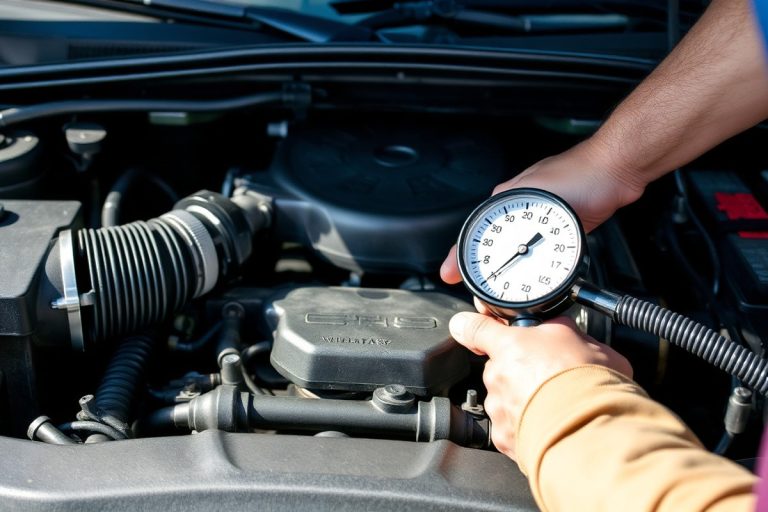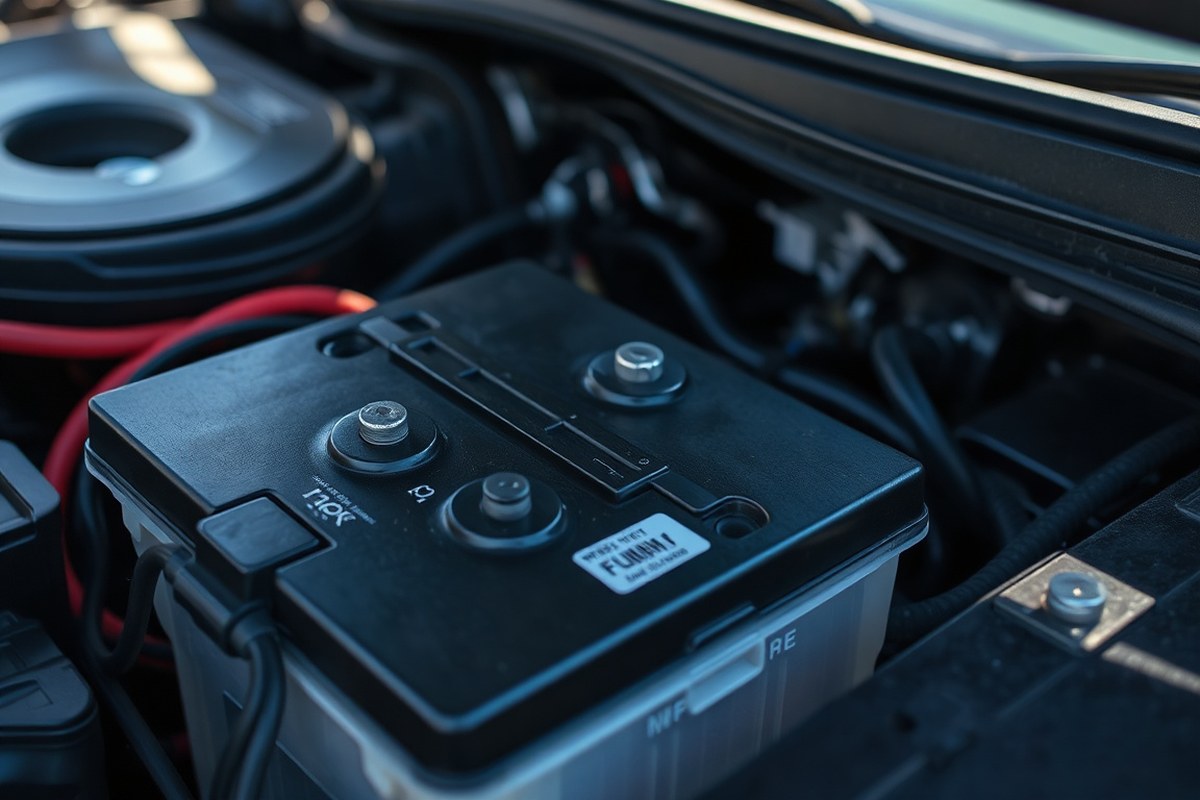
Can a Car Battery Die While Driving? 9 Essential Facts and Steps
Can a car battery die while driving? Yes, it can happen but not very often. Normally, the alternator charges the battery as you drive.
So it rarely dies on the road. Still, some issues can cause the battery to fail while you’re behind the wheel.
The alternator and battery work together to keep your car’s electrical system running. When the alternator fails, the car relies just on the battery’s charge. Once the battery drains, the vehicle may stall or lose power.
Always watch for warning signs like dim lights or warning indicators on the dash. At the first sign of trouble, find a safe place to pull over. Turn off electronics to save battery power.
Key Takeaways
- Your car battery can die while driving if the alternator stops charging it.
- A healthy alternator normally recharges the battery during highway driving.
- Old batteries over 3 to 5 years are more likely to fail on the road.
- Dim dashboard lights or warning symbols often signal electrical problems.
- Suspecting battery failure means turn off accessories to save power.
- Pull over safely as soon as you notice electrical issues while driving.
Can a Car Battery Actually Die While Driving?
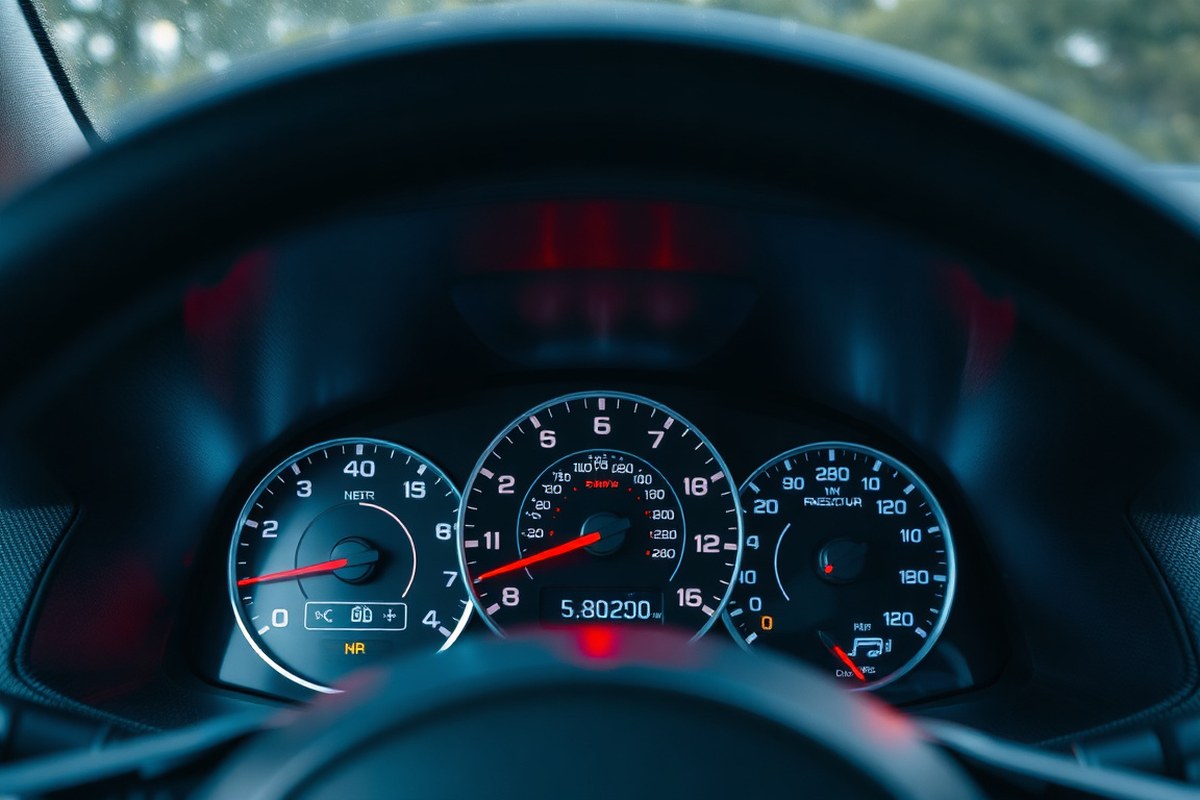
A car battery dying during driving does happen but is unusual. The battery’s main job is to start the engine and power electronics initially. Once the engine runs, the alternator supplies electricity and recharges the battery.
A failing alternator is often the real cause when the battery dies on the road. The alternator charges the battery and powers the electrical system as you drive. A failing or weak battery loses power fast, causing it to fail.
Battery life depends on age and how it’s cared for, lasting about 3 to 5 years. Harsh weather or heavy use can weaken it, especially if the alternator doesn’t recharge properly.
How the Alternator and Battery Work Together While Driving
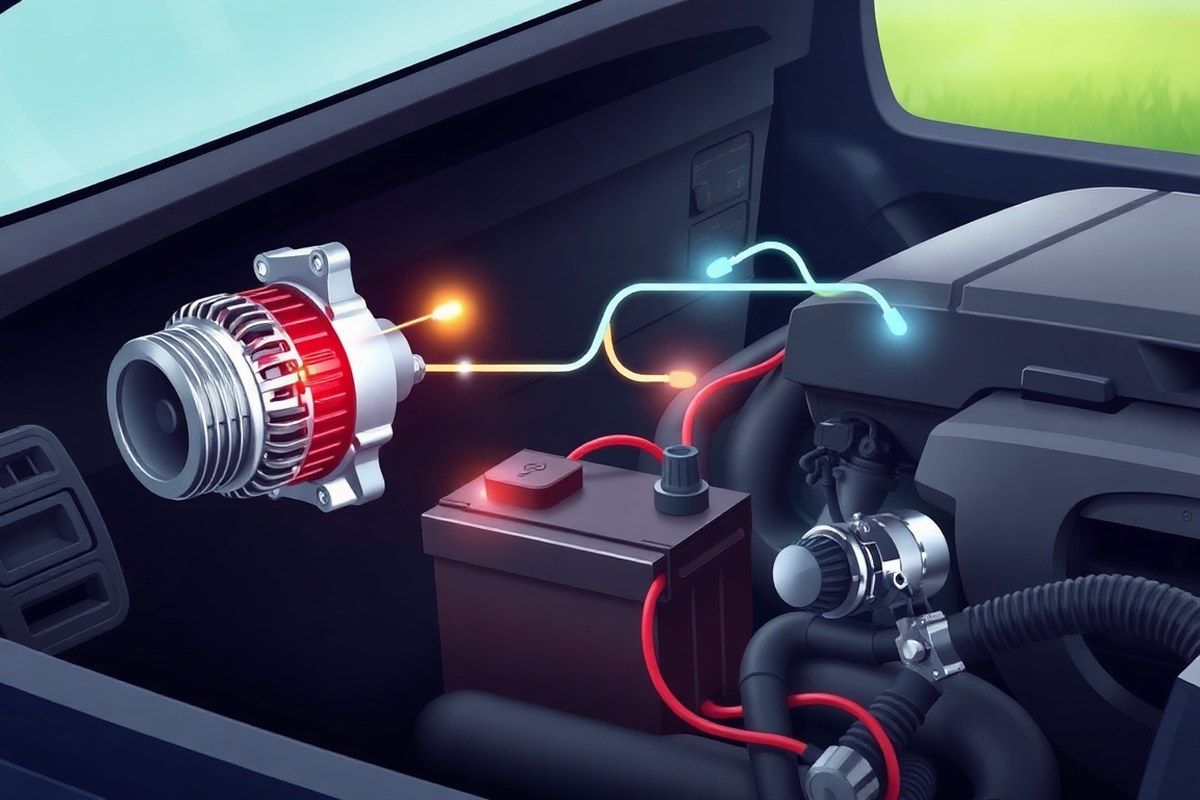
The alternator charges the battery while you drive and powers the car’s electrical system. When the engine runs, the alternator supplies electricity to the lights, radio, and other devices. This takes the load off the battery, so it doesn’t drain too fast.
The battery gives a strong burst of energy to start the car. After the engine starts, the alternator charges the battery. It also powers all electrical parts while the car runs.
The battery usually stays charged while driving if the alternator works well. The alternator can recharge a weak or old battery during a short drive. It provides enough power to restore the battery charge quickly.
Driving 20 to 30 minutes on the highway helps recharge the battery. This only works if the charging system is in good shape.
When the alternator fails, it stops charging the battery. The car still uses electrical power, but the battery has to supply it all. This drains the battery much faster, which can cause your car to stall.
The car will eventually shut off if the alternator can’t keep the battery charged. Without enough power, essential parts stop working. That’s why a dead alternator is a common cause for a car battery dying while driving.
Check your alternator regularly for odd noises or leaks to avoid unexpected breakdowns.
Common Causes of a Car Battery Dying While Driving
The battery can die while driving if the alternator fails. The alternator’s job is to recharge the battery while the engine runs.
The battery stops working when it runs out of power. This can cause the car to stall.
Wiring issues also cause battery problems on the road. Damaged wires or corroded terminals can stop the battery from receiving power or charging correctly. Loose or broken cables interrupt the flow of electricity and can drain the battery fast.
Battery age plays a big role in failure during driving. Older batteries may have shorted cells inside that stop them from holding a charge. As batteries age, their performance drops, making it easier for electrical faults to cause problems mid-drive.
- Alternator failure due to worn brushes or a broken belt
- Corroded or loose battery terminals that reduce electrical flow
- Damaged or frayed wiring that causes power loss
- Shorted or dead cells inside an old battery
- Failed diode packs in the alternator cutting off charging
- Blown fuses or fusible links interrupting the circuit
Alternator issues can cost $300 to $800 to fix. Battery replacement runs between $60 and $200.
Wiring repairs can vary widely depending on damage, often costing $50 to $300. Regular checks can catch these problems before they leave you stranded.
Testing the battery’s voltage and alternator’s charging output helps spot faults early. A working alternator usually outputs between 13.8 and 14.4 volts.
Readings below 12.6 volts indicate charging failure, often caused by alternator or wiring trouble. Tightening terminals and replacing old batteries improves reliability significantly.
Warning Signs Your Battery or Electrical System Is Failing While Driving
Watch your dashboard for the battery or alternator warning light. This light often looks like a red battery icon or the letters “ALT.The light turns on when system voltage drops under 13 volts.
It means there’s a problem with charging. You need to check it soon.
Dim or flickering headlights are clear signs that your battery or electrical system is struggling. Notice if your power windows or interior lights feel sluggish or slow. These electrical quirks happen because your car’s system isn’t getting enough juice.
Engine stumbles or jerks at stoplights can also hint at battery troubles. The engine may misfire or hesitate briefly because of poor voltage. This warning often comes before the car completely loses power while driving.
- Battery or alternator warning light glows on the dash
- Headlights dim or flicker unusually
- Interior lights and accessories run slower or weaker
- Power windows operate sluggishly
- Engine stutters or hesitates at idle
- Music or radio screen cuts out suddenly
- Multiple dashboard warning lights like ABS or traction control flash
These symptoms happen in stages as your voltage drops lower. Early on, non-essential systems may turn off to save power.
Later, headlights can shift from bright white to a dim amber glow. The voltage falls below about 11 volts.5 volts, expect more serious electrical failures.
Paying attention to these signs before they get worse can help you avoid stalling. A dim battery light and flickering electrical parts are signs. They mean you should safely find a place to stop.
Ignoring these signs risks leaving you stuck on the road. The battery or alternator could fail completely.
How Long Can a Car Run If the Battery Dies but Alternator Works?
Your car can run on reserve battery power for up to 30 minutes. This works only if the alternator is still charging the battery. Otherwise, power runs out sooner.
A healthy battery usually supports the engine for 15 to 30 minutes before losing power. That allows you to drive between 15 and 25 miles under minimal electrical loads.
The actual time and distance depend on how much electrical equipment is used. Running only the fuel pump and computer uses less power. Using the radio or fan lowers run time to 15 to 20 minutes.
It also cuts driving range to about 10 to 15 miles. Headlights, wipers, or defrosters reduce run time to 8 to 12 minutes. Your driving range may fall to just 3 to 8 miles.
Driving with a dying battery is risky. Power loss can affect your engine, brakes, steering, and lights. Even if the alternator works, it may not fully charge a weak battery.
The car runs on battery power alone until it quits, stopping the vehicle. Stop safely as soon as you notice electrical problems to avoid further damage.
Keep electrical use to a minimum when you suspect battery trouble to extend driving time safely.
Leaving the engine running for 30 minutes helps recharge the battery if it still accepts charge. A fully dead battery won’t hold a charge. So the vehicle may stop despite the alternator working.
Your battery’s weak? Plan to replace it soon. This helps avoid getting stranded somewhere.
Steps to Safely Handle a Battery Dying While Driving
When your car battery dies while driving, stay calm and act fast. Pull over to the side of the road and turn on your hazard lights right away. Then decide if you can restart the car or if you need help.
Pulling over Safely on Different Roads
On highways, move off the road to the shoulder as far as possible. Avoid stopping in traffic lanes or curves where drivers can’t see you. On city streets, find a parking lot, wide curb, or empty side street to stop safely.
Use your mirrors and signal early to alert others before changing lanes. Drive slowly while moving to the side to avoid sudden braking by other drivers. This helps prevent accidents when your battery dies.
Attempting a Restart: When and How
Only try restarting your car if it stopped recently and you’re in a safe spot. Turn the key or press the start button as usual.
The engine might not turn over after a few seconds. Don’t keep trying.
Repeated attempts can drain any remaining battery power fast. Call roadside assistance if you don’t have jump-start tools. Know how to use them first.
Using Hazard Lights and Calling for Assistance
Turn on your hazard lights immediately to warn other drivers you’re stopped. Use roadside flares or a reflective triangle 50 to 100 feet behind the car. This improves your visibility, especially in low light or bad weather.
After securing your vehicle, call for professional help or roadside assistance. Never try to fix the battery or electrical system alone on a busy road. Staying inside your car with doors locked can help keep you safe while waiting.
- Turn on your hazard lights as soon as you notice battery problems.
- Slow down and safely steer your vehicle toward the right shoulder or curb.
- Use your mirrors and signal before moving to avoid sudden lane changes.
- Stop off the road where other drivers can clearly see you.
- Try restarting the engine once, but avoid multiple attempts to save battery power.
- Place roadside flares or warning triangles behind your vehicle if you have them.
- Call roadside assistance or a towing service for help with your battery.
- Stay inside your car if stopped on a busy or unsafe road until help arrives.
How to Tell If It’s the Battery or Alternator Causing the Problem
You can check voltage levels to see if your battery or alternator causes trouble. Warning lights also help spot issues. These checks show what might be wrong.
Use a multimeter to measure voltage at the battery terminals. Try a simple electrical load test to check the alternator.
See if it keeps your battery charged while driving. This test is quick and easy.
Testing Voltage with a Multimeter
First, use a digital multimeter set to DC volts. Check the battery voltage with the engine off. A fully charged battery reads about 12.6 volts or higher.
It reads 12.2 to 12.4 volts, the battery is partly discharged. Below 11.9 volts means the battery is deeply discharged and likely bad.
Start the engine and check voltage at the battery again. Good alternators raise voltage to roughly 13.8 to 14.5 volts.
Voltage at or below battery resting level means no charging by alternator. In this case, it may fail or the belt could be loose or broken.
Interpreting Battery and Alternator Warning Lights
The battery warning light looks like a battery symbol. It may say “ALT” or “GEN.” Watch for this light on your dashboard.”
This light indicates charging system problems. It can mean a failing alternator, bad battery, corroded terminals, or a loose belt.
Pull over safely if the warning light comes on while driving. Turn off extras like AC or headlights. This lowers the power load.
The light staying on with engine running means alternator might fail. It may not be charging the battery properly. It’s safer to have your car tested before continuing your trip.
Simple Ride-Along Electrical Load Test
Turn on headlights, radio, and heater at full settings. Watch battery voltage on your multimeter with the engine running. Normal alternator voltage stays strong between 13.8 and 14.5 volts, even under load.
Voltage dropping below 13 volts when accessories are on shows a problem. The alternator can’t keep up with electrical demand.
Watch for flickering lights or dashboard dimming, which also show alternator trouble. Low or falling voltage drains the battery and can cause a stall.
- Keep your multimeter handy for roadside checks.
- Look for battery voltage below 12.4 volts at rest.
- Check that voltage rises to 14 volts when engine runs.
- Watch battery light on dashboard for charging warnings.
- Test with lights and accessories on for load impact.
- Voltage dropping under load means the alternator could be the issue.
- Have a professional confirm problems if unsure.
Voltage readings and warning lights together show the problem source. They reveal if it’s the battery, alternator, or wiring causing trouble.
The tests cost only a multimeter, around $15 to $40, and take just a few minutes. Safe roadside checks limit risks and clarify what part needs repair or replacement.
Preventing Your Car Battery from Dying While Driving
Your car battery needs regular care to avoid dying while driving. Check its condition often and maintain clean connections. Adjust habits and check the battery more in extreme weather.
Battery Inspection and Cleaning Routine
Check your battery every six months or before long trips. Look for corrosion on the terminals and any cracks in the case. Use a mixture of baking soda and water to clean the terminals if needed.
A simple visual inspection helps spot loose or damaged cables. Tighten connections with a wrench if you find any wobbling. Replace cables that show signs of wear.
- Check battery voltage with a multimeter; it should read about 12.6 volts when off
- Clean terminals with a wire brush or battery cleaning tool
- Ensure battery is firmly secured in its tray to prevent movement
- Inspect cables for corrosion or fraying regularly
- Test battery charge and health at oil changes or service visits
Corroded terminals can cause poor connections and sudden battery failure.
Optimal Driving Habits for Battery Health
Short trips prevent your battery from fully charging. Combine errands to keep the battery at a healthy charge level. Avoid leaving lights and electronics on when the engine is off.
Turn off accessories before starting the engine to reduce strain on the battery. A smooth, regular driving schedule is better than frequent stop-and-go trips. Overcharging happens rarely but check your alternator if the battery overheats.
Climate-Specific Battery Care Tips
Extreme cold slows battery chemical reactions, reducing power. In winter, keep the battery charged and consider a battery warmer if temperatures drop below 20°F. Heat speeds up internal corrosion. So park in shaded areas during summer.
Hot weather may make you check your battery more often. Batteries can last only two or three years in harsh climates.
Heat shortens battery lifespan compared to normal conditions. Using a climate-appropriate battery can improve reliability in very cold or hot regions.
When to Call a Professional for Battery or Electrical Issues
Knowing when to call a pro for battery or electrical problems helps. It can save you time and money. Don’t wait too long to get help.
A dead battery during driving often points to a deeper problem that needs expert diagnosis. Avoid complex repairs if you see many warning signs.
Don’t ignore the car shutting off suddenly. It’s safer to call a mechanic.
You need a mechanic if the alternator stops charging the battery. Also call one if wiring or connections are damaged. These issues need professional work.
These are not easy fixes, and improper attempts can worsen the issue. Dashboard lights flickering or going dark means you need help soon.
This is a clear sign of electrical trouble. Get a professional to check it immediately.
Roadside assistance or mobile mechanics often handle battery jump-starts or replacements on the spot. However, they may recommend towing the car to a shop for deeper electrical system checks. Calling for help is safest if your vehicle stops in heavy traffic or an unsafe area.
- Check if your car’s electrical warning light is on or flashing
- Listen for unusual noises like whining or grinding from under the hood
- Watch if your headlights dim or flicker when you accelerate
- Attempt a jump-start only if the engine still turns over
- Call roadside assistance if the engine won’t start after a jump
- Do not try repairs yourself on busy roads or in poor visibility
Persistent starting failures or frequent dead batteries need a shop visit. Don’t delay fixing these repeated problems. Schedule that appointment soon.
Battery testing and alternator checks usually cost between $50 and $100 at most shops. A professional can pin down whether corrosion, wiring issues, or a failing alternator cause your troubles.
Having professionals handle this protects your car’s electrical system and your safety. Taking quick action prevents being stranded in dangerous spots or damaging parts further. Keep a roadside assistance number handy to get expert help fast when needed.
Step-by-Step Action Plan to Handle and Prevent Battery Issues While Driving
Follow these steps to spot battery problems early. This helps you stay safe. It also keeps your battery healthy on the road.
- Before driving: Check battery terminals for corrosion and tightness. No corrosion means a steady connection.
- Weekly: Listen for dashboard warning lights and test headlights. Bright lights and no warnings mean your system is fine.
- At the first warning sign: Reduce electrical load by turning off non-essential items. Lights that brighten mean your battery needs attention.
- When the engine stalls, move the car safely to the side. Try restarting it. Failure to restart likely means battery or alternator trouble.
- Within 24 hours after a stall: Have a professional diagnose your battery and alternator. A clear report shows what to fix.
- Monthly: Use a multimeter to check battery voltage (12.4-12.7 volts when off is normal). Outside that range suggests battery care.
- Every six months: Schedule a full battery and electrical system inspection. No issues on this check reduces roadside risks.
- After any repair: Test drive and monitor warning signs again. Normal engine and electrical performance mean the fix worked.
Frequently Asked Questions
Can a Car Battery Die While Driving?
Yes, a car battery can die while driving, though it’s rare. A failing alternator or electrical issues often cause this problem instead of the battery itself.
What Happens If My Car Battery Dies While I’m on the Road?
If your battery dies, you may lose power to electronics and the engine can stall. It’s important to safely pull over and call for help immediately.
Can an Alternator Keep the Car Running If the Battery Dies?
Yes, the alternator can power the car after the battery dies, but only temporarily. It depends on the alternator’s health and the car’s electrical load.
What Are Signs That My Battery Might Die While Driving?
Flickering dashboard lights and slow electrical responses can mean battery trouble. Catching these early can help avoid sudden breakdowns.
Is It Possible for a Bad Ignition Switch to Mimic Battery Failure?
Yes, a faulty ignition switch can cause symptoms like a dead battery. It may prevent power from reaching engine components correctly.
Final Thoughts
Your car battery can fail while driving. But the alternator usually keeps things running short term.
Quickly spotting warning signs can prevent breakdowns. Start by checking your battery health regularly to avoid surprises on the road.