What Happens When Your Transmission Goes Out: Clear Signs, Costs & Solutions
When your transmission fails, your vehicle may stop moving. It can also shift gears poorly. This issue is simple but serious.
The transmission controls how power moves from the engine to the wheels. When it fails, you could lose the ability to drive safely or smoothly.
At the first sign of trouble, avoid pushing your vehicle hard. Driving with a failing transmission can cause more damage and lead to higher repair costs. Instead, get a trusted mechanic to check it as soon as possible.
Sometimes, minor issues like sensor failures or fluid problems can slow down the damage. But bigger problems need repair or replacement, which can be costly. Catching problems early helps save money and keeps you safe on the road.
Key Takeaways
- Pay attention to pulling, slipping, or delayed gear changes as early warning signs.
- Check your transmission fluid regularly; low or dirty fluid can cause damage.
- Service transmission fluid every 30,000 to 60,000 miles to avoid failures.
- Get transmission problems diagnosed early before major repairs become necessary.
- Replacement costs can range from $3,000 to $7,000 depending on vehicle type.
- Driving gently with a failing transmission can delay further damage temporarily.
What Happens When Your Transmission Goes Out
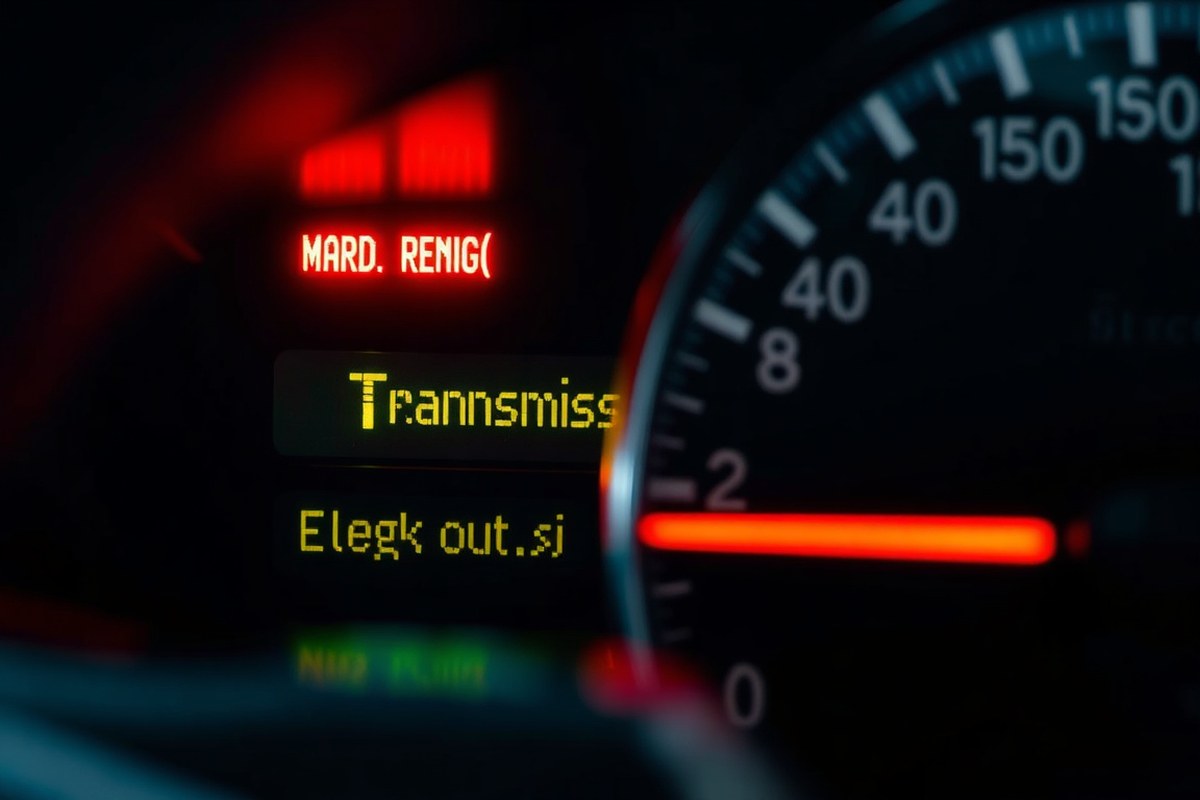
Your transmission is what sends power from the engine to your wheels. When it fails, your vehicle can’t move efficiently or at all. You might feel jerking or notice the car slipping out of gear.
The transmission uses gears and fluid to shift power smoothly. If it breaks, gears may grind or slip, causing shaking and loss of control. Sometimes the vehicle gets stuck in one gear, known as limp mode.
Failing transmissions often warn you with harsh noises and warning lights. A burning smell may come from overheated transmission fluid. These signs mean the transmission is overheating and breaking down.
When the transmission goes out, power delivery becomes uneven or stops completely. The engine’s power isn’t reaching the wheels properly, so acceleration feels weak. You may find your car slow to respond or unable to move.
Hard transmission damage can cause fluid leaks, further worsening the problem. Leaks lower fluid levels needed for smooth shifting and cooling. Driving in this state can cause total transmission failure very quickly.
Once the transmission fails, continuing to drive risks damaging other parts. You should pull over as soon as it happens and get a tow. Repair work can cost $1,800 to over $5,000, depending on the damage and vehicle.
Recognizing Early Warning Signs of Transmission Failure
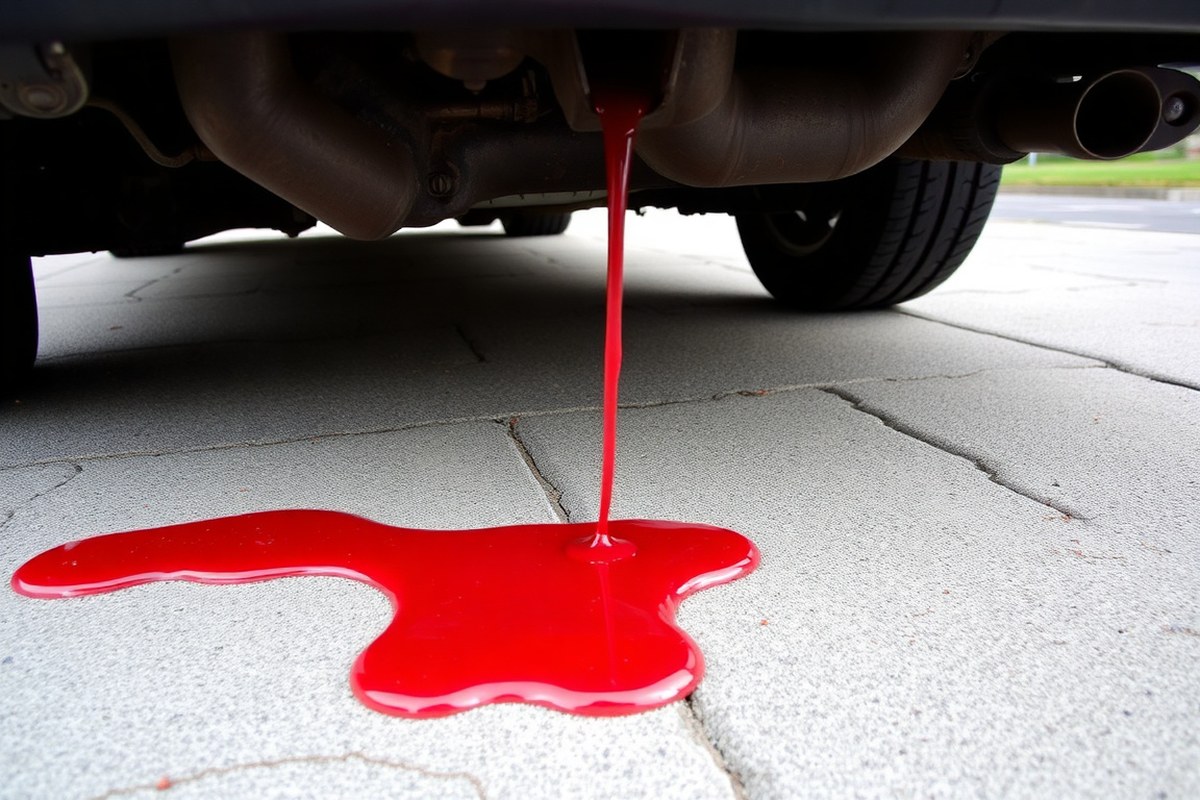
You can catch transmission problems early by noticing a few key signs. Look for leaking fluid under your car, as transmission fluid is usually red and slippery. A brown or burnt smell means the fluid is old or damaged, which harms your transmission.
Pay attention to how your vehicle shifts. Gears slipping, hesitating, or shifting late means transmission trouble. You might hear grinding or humming noises, especially with manual transmissions when shifting.
- Check for red or brown fluid puddles beneath your vehicle
- Feel for delays or slipping when shifting gears
- Listen for grinding, buzzing, or humming sounds during driving
- Notice any burning smells coming from the transmission area
- Watch the dashboard for a transmission or check engine light
- Look for visible damage like cracks or loose parts under the car
Metal flakes in the fluid indicate serious wear. So ask a mechanic to inspect this. Overheating causes transmission failure.
A warning light may appear if the fluid temperature gets too high. Fixing these issues early usually costs a few hundred dollars. Fluid service or small part repairs often solve the problem.
Ignoring these signs can lead to complete failure, which may cost thousands to repair. A sudden loss of gear engagement or loud noises mean you should stop driving immediately. Regular checks for these warning signs can prevent big, costly problems down the road.
Every month, check your transmission fluid by finding the dipstick under the hood. Look at its color and smell. Bright red and slightly sweet is normal. Brown or burnt means it’s time to service.
How Transmission Types Affect Failure Symptoms and Repairs
Transmission failure symptoms and repair costs depend on the type of transmission your vehicle has. Automatics, manuals, CVTs, and dual-clutch transmissions all behave differently when they start to fail. Repair options and costs differ a lot between transmission types.
This affects what you’ll face if your transmission fails. Knowing your type helps you plan for repairs.
Automatic Transmissions and Common Failures
Automatic transmissions often show slipping gears or delayed shifting as early signs of failure. These issues usually come from worn clutch packs, valve body wear, or solenoid problems. Repairs can cost from $1,800 to $7,000.
Automatics have many complex parts inside. The torque converter might need replacing too.
Overheating often causes problems in automatic transmissions. It happens more when towing heavy loads. Stop-and-go traffic driving can also cause overheating.
Transmission fluid changes cost about $80 to $250 and help prevent major damage. Damage inside an automatic transmission can spread without treatment.
This makes repairs more costly. Sometimes a full rebuild or replacement is needed.
Manual Transmissions: Clutch and Gear Issues
Manual transmissions often fail from worn clutches or gear synchronizers. These worn parts cause grinding noises when shifting. Hard shifts and slipping clutches are common signs of failure.
Clutch replacements usually cost between $800 and $1,500. Manual repairs usually cost less than automatics. Manuals have fewer parts and lack a torque converter.
Gear synchronizer problems might require more involved repairs if ignored. Unlike automatics, manual transmissions rely on driver input for shifting. So failure symptoms feel different and usually give more control to stop driving early.
Manual transmission replacement costs differ by make and model. But they generally cost less than automatic replacements.
CVT and Dual-Clutch Transmission Challenges
Continuously Variable Transmissions (CVTs) don’t use gears but belts and pulleys. So they show failure as slipping, jerking, or unusual noises. Some repairs or replacements cost $2,000 or more.
Specialized parts and software raise the price. CVTs also require specific transmission fluids. So proper maintenance is critical to avoid early failure.
Dual-clutch transmissions combine manual and automatic features and can fail with rough shifting or hesitation. Their repairs can be complicated and costly because they include multiple clutches and sophisticated electronics.
Prices can match or surpass automatic transmission repairs. This depends on the specific problem, vehicle, and labor costs.
What Causes Most Transmission Failures and How to Prevent Them
Transmission failure often starts with problems in the transmission fluid. Leaking fluid lowers the level, causing the transmission to overheat and wear out faster. You can spot a leak by a sweet, burning smell.
Red fluid puddles under your car also show leaks. These signs mean you should check the transmission.
Checking your transmission fluid regularly helps prevent major damage. Most car makers suggest a fluid change every 30,000 to 60,000 miles. Hard driving conditions may need more frequent fluid changes.
This includes towing often or driving in stop-and-go traffic. These help keep your transmission cool and working well.
Driving habits also affect transmission health. Quick stops, hard accelerations, and aggressive shifting strain transmission parts.
Using the wrong transmission fluid type or ignoring maintenance schedules speeds up wear. Avoiding harsh driving and following your service guide helps keep your transmission working longer.
Overheating is a common reason transmissions fail. Hot transmission fluid loses its ability to protect the internal parts.
Temperature over 200 degrees Fahrenheit starts to break down the fluid. Your transmission works harder and melts seals, which leads to leaks.
Wear and tear inside the transmission also cause failure. Clutches and bands get worn down from friction if fluid is low or old.
Metal flakes in the fluid or rough gear shifts mean parts are breaking down. Once inside damage happens, repairs get costly and time-consuming.
Regular maintenance includes fluid checks, filter replacement, and correcting leaks quickly. A mechanic will inspect the transmission during scheduled services. Fixing transmission problems early can save hundreds or thousands in repair bills.
Some transmissions fail due to poor design or wrong fluid use. Using fluids not recommended by your car’s manufacturer damages seals and clutches.
Always use the exact fluid type your owner’s manual specifies. This ensures your transmission parts work as intended and last longer.
Can You Drive with a Failing or Dead Transmission? Risks & Recommendations
You should not drive with a failing or dead transmission. Doing so risks a sudden total failure that leaves you stranded on the road.
Transmission problems tend to get worse quickly once symptoms show up. So acting fast can save you from expensive repairs.
Driving on a damaged transmission can cause metal parts to grind and overheat. This sends hot fluid and metal shavings through transmission lines and coolers. These contaminants can ruin seals and gears, leading to even more serious damage.
Keep an eye on warning signs like slipping gears, rough shifting, or warning lights. Once these appear, avoid driving long distances. Even a short drive risks further damage and sudden breakdowns that can be dangerous and costly.
How long you can drive depends on your transmission’s exact issue. Minor problems may allow limited trips, but severe symptoms call for immediate repair. When you must drive, go less than a mile at low speeds.
Regularly checking transmission fluid helps catch issues early. Dirty or low fluid can worsen problems fast. Top off the fluid only if it matches the manufacturer’s specs and conditions.
Poor maintenance is a common cause of transmission failure. So stop driving if leaks or smells appear.
Delaying repairs leads to higher costs. A small fix might run a few hundred dollars.
But ignoring it can push expenses past $2,000 to $4,000 for a full rebuild or replacement. Besides money, the risk of getting stuck far from help is a big safety concern.
Stop driving once you hear strange noises or feel slipping gears. Doing this helps avoid costly transmission failure. Get it checked immediately.
What to Do If Your Transmission Fails While Driving
Your transmission failing while driving means you must act fast and smart. Stop driving immediately to avoid damage and danger. Call for roadside help to get safely to a repair shop.
Immediate Safety Steps to Protect Yourself and Passengers
Keep calm and stay in control of the vehicle. Look for a safe spot away from traffic before pulling over. Turn on your hazard lights right away to warn other drivers.
Be cautious about moving to the shoulder. Choose a flat, well-lit area if possible. Once stopped, keep your seatbelt on until help arrives.
Checking Basic Transmission Fluid and Warning Indicators
Transmission fluid affects shifting and overall transmission health. You can safely check under the hood for the fluid dipstick. Check the fluid level first.
It should be red or pink. Avoid dark or burnt-looking fluid.
Stay alert to warning lights or unusual smells inside your car. Signs like a burning odor or dashboard transmission alerts mean serious issues. Write down any symptoms to share with your mechanic.
Arranging Transport or Towing to a Repair Shop
Do not try to drive a car with a failed transmission. Call roadside assistance or a towing company immediately. Explain the issue clearly so they send the right type of tow truck.
Choose a trusted repair shop or transmission specialist when arranging transport. Ask if your insurance covers towing or roadside help to save cost. Stay inside the vehicle if unsafe outside, and wait for professionals.
Follow these steps to handle a transmission failure safely:
- Pull over carefully to a safe location off the road.
- Turn on hazard lights to alert other drivers.
- Apply the parking brake to prevent rolling.
- Check transmission fluid level if safe to do so.
- Note any warning lights, noises, or smells.
- Call roadside assistance or a towing service immediately.
- Stay inside your vehicle if on a busy road until help arrives.
- Provide details about the failure to the tow operator and mechanic.
How Professionals Diagnose Transmission Problems
Professionals diagnose transmission problems through a mix of scans, fluid checks, and physical tests. This approach helps pinpoint issues accurately, avoiding costly mistakes. The goal is to find the root cause without guessing or unnecessary repairs.
Visual Inspections and Fluid Checks
Mechanics first look for leaks and fluid conditions during a visual inspection. Transmission fluid color and smell can show wear or overheating. Fresh fluid is usually bright red and clear; burnt or dark fluid indicates trouble.
They also check for leaks under the vehicle or around seals. Any leaks must be fixed quickly to prevent further damage. Later, hydraulic pressure tests might check fluid flow within the system for proper function.
Electronic Diagnostic Scans and Error Codes
Shops use diagnostic tools that connect to the vehicle’s onboard computer. These tools read trouble codes stored when the transmission struggles. Codes can point to sensor issues, solenoid problems, or control unit faults.
Electronic scans help separate electrical or control system faults from mechanical damage. This step prevents unnecessary dismantling if the problem lies in wiring or sensors. It takes about 15 to 30 minutes and usually costs under $100.
Test Driving and Physical Components Examination
Technicians take the car for a test drive to feel how the transmission shifts and reacts. They listen for slipping, clunks, or unusual noises. This hands-on check often reveals symptoms that scans alone miss.
Afterward, they may inspect parts like the shift linkage or CV joints. Problems here can mimic transmission failure. This thorough check ensures related driveline parts aren’t causing the issue.
Repair, Rebuild, or Replace? Understanding Your Transmission Options
Transmission repairs fall into three main types: repair, rebuild, or replacement. Minor problems like a faulty solenoid may need simple repairs. These repairs usually cost less money.
They also take less time to fix. Rebuilds involve taking the transmission out and fixing many parts, usually after serious damage.
Replacements happen when damage is too extensive or repair costs are close to the car’s value. A worn torque converter can ruin the whole transmission. This usually means you need a rebuild or replacement.
The damage is often very serious. Skip trying to drive much when the fluid runs out, or you’ll increase damage and cost.
| Option | What It Is | Typical Cost | Timeframe | When It’s Best |
|---|---|---|---|---|
| Minor Repair | Fix small parts like solenoids or valves | $150 to $500 | 1 to 3 days | Early signs, minor issues |
| Rebuild | Disassemble, clean, and replace worn parts | $1,800 to $3,500 | 3 to 7 days | Moderate damage, salvageable transmission |
| Replacement | Install new or remanufactured transmission | $3,500 to $7,000+ | 4 to 10 days | Severe damage or cost exceeding car value |
Use these rules to pick the best option: choose minor repair for early or small problems. Your car might still run okay with moderate damage. A rebuild can save money compared to total replacement.
It’s often a good middle option. Replace the transmission if the damage is severe.
Repair costs can reach 50-80% of your car’s value. Replacement provides the best reliability in this case.
Your vehicle’s make affects costs too. Luxury or performance cars usually cost more to repair or rebuild. Also check if your powertrain warranty still covers repairs.
New cars often have 5 years or 60,000 miles coverage. Getting a specialized transmission shop might offer partial rebuilds or cheaper fixes than a general mechanic.
Driving with low or no transmission fluid is risky. It can turn small problems into full replacements. Avoid it to protect your transmission.
Transmission Maintenance Tips to Avoid Costly Failures
Check your transmission fluid level every 15,000 to 30,000 miles or once a year. Use the dipstick while the engine is warm, and park on a level surface. Low fluid can cause slipping and overheating, which damages internal parts.
Change the transmission fluid based on your vehicle’s owner manual, usually every 30,000 to 60,000 miles. Some newer models have sealed transmissions needing less frequent service but still check for leaks. A fluid change or flush removes dirt and metal shavings that wear down the gears.
Other than fluid care, keep your transmission cool to avoid heat-related damage. Check the radiator and transmission cooler for blockages or leaks. Installing an auxiliary transmission cooler helps with heavy towing.
It also works well in hot climates. This lets your transmission run cooler and last longer.
- Check fluid level and condition monthly
- Change fluid and filter every 30,000 to 60,000 miles
- Use the transmission fluid type your manual specifies
- Flush system if fluid smells burnt or looks dark and dirty
- Avoid frequent hard braking and rapid acceleration
- Keep engine cooling system in good shape
- Consider a transmission cooler upgrade for towing or hot weather
Drive gently to reduce wear. Smooth shifts and avoiding sudden stops lower stress on the transmission.
Using the correct gear and avoiding “riding” the clutch in manuals helps prolong life, too. Small habits pay off by reducing the chance of sudden failures.
Transmission fluid costs $50 to $150, depending on service level and vehicle. Changing your transmission fluid yourself saves money. Be careful not to spill the fluid.
Also, make sure you use the right kind. Dirty or burnt fluid means you need a flush. A professional should do this job.
They will avoid damage to your transmission. Catching wear early typically means fewer repairs and longer transmission life.
Step-by-Step Action Plan for a Failing Transmission
Act fast to avoid bigger damage and cost. Follow these clear steps and check results as you go.
- Immediately stop driving if you notice slipping or strange noises. Check if symptoms lessen to prevent more damage.
- Within 24 hours check the transmission fluid level and condition. Look for low fluid or dark, burnt smell to confirm a problem.
- Day 2 call a qualified mechanic for a diagnosis. Confirm their findings by asking for a clear explanation and test results.
- Day 3 discuss repair options: repair, rebuild, or replace. Understand which choice fits your car’s age and budget best.
- Week 1 authorize the chosen service once you’re confident about it. Check if your car shifts smoothly after the fix.
- After repair follow the mechanic’s maintenance advice strictly. Track fluid changes and check transmission regularly to catch new issues early.
- Within 1 month monitor your car’s performance and report any slip or noises immediately. Early catch can save costly repairs later.
Frequently Asked Questions
How Long Can You Drive with a Transmission Going Out?
You should drive as little as possible with a failing transmission. Driving longer risks severe damage and costly repairs. It’s best to get it checked promptly to avoid making problems worse.
How Do You Tell If Your Transmission Went Out?
A failed transmission often causes loss of drive or sudden shifting. You’ll also notice warning lights, strange noises, or a burning smell. These signs mean you should stop driving and get professional help.
How Much Does It Usually Cost to Replace a Transmission?
Replacing a transmission typically costs around $3,000 to $4,000 CAD. Costs depend on the vehicle type and whether it’s automatic or manual. Repairing smaller issues might cost a few hundred dollars instead.
What Happens Right Before Your Transmission Goes Out?
Expect warning signs like harsh shifting, slipping gears, or strange noises. Your car might enter limp mode to protect itself from damage. Catching these signs early can save you from a total failure.
Can a Transmission Fail Suddenly Without Warning?
Yes, transmissions can fail suddenly, especially if fluid leaks or parts break. Sudden failure means loss of power and unsafe driving conditions. Regular maintenance helps reduce this risk.
The Bottom Line
A broken transmission can stop your car completely or cause costly damage if ignored. Early action matters a lot to save money and safety. Call your mechanic today if your transmission shows any trouble signs.