How Much Does a Harley Weigh: Complete Model Weights and Practical Tips
Wondering how much does a Harley weigh? Most Harley-Davidson motorcycles fall between 500 and 1,000 pounds.
The weight depends on the model and any added accessories or fuel. Knowing the weight helps you pick the right bike for your strength and skill level.
The lightest Harleys, like the Sportster 883, are around 560 pounds. On the heavier side, full-dress touring models can push 900 pounds or more. Weight affects how easy the bike feels to handle and ride every day.
Start by checking the curb weight, which includes fluids and a full tank of gas. Dry weight leaves those out and is usually 20 to 30 pounds lighter. Choose a weight you can comfortably manage, especially if you’re new to riding.
Key Takeaways
- The Sportster 883 is a good light Harley at about 560 pounds.
- Full-dress touring Harleys can weigh close to 900 pounds.
- Trikes weigh even more, ranging between 1,100 and 1,270 pounds.
- Curb weight includes gas and oil. So expect 20, 30 pounds more than dry weight.
- Heavier bikes need more strength and skill for good control.
- Check the weight before buying to match the bike with your comfort.
How Much Does a Harley-Davidson Motorcycle Weigh?
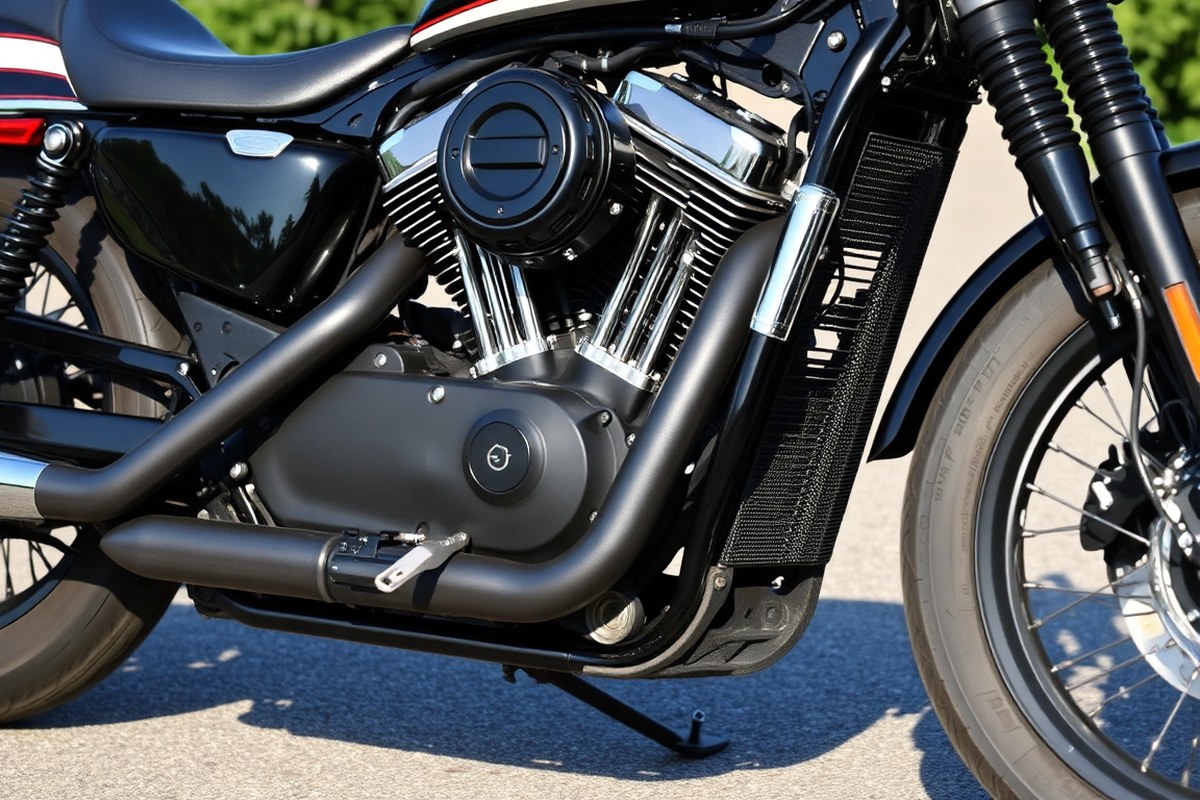
Harley-Davidson motorcycles usually weigh between 540 and 905 pounds. This range changes based on the model and any added accessories.
Lightweight models like the Street 500 weigh as little as 455 pounds. Heavy full-dress touring bikes can weigh up to around 963 pounds.
To help you compare, here’s a table showing specific Harley models from lightest to heaviest. It includes their dry, wet, and curb weights when available. Knowing these numbers can prepare you for handling and performance expectations.
| Model | Dry Weight (lbs) | Wet Weight (lbs) | Curb Weight (lbs) |
|---|---|---|---|
| Street 500 | 455 | , | 455 |
| Iron 883 | 540 | , | 540 |
| Sportster Forty-Eight | 565 | , | 565 |
| Sportster 883 SuperLow | 536 | , | 536 |
| Electra Glide Standard | , | , | 818 |
| CVO Road Glide Limited | , | , | 963 |
| CVO Tri Glide | , | , | 1,269 |
Most Harley bikes fall between 500 and 800 pounds curb weight. Lighter models offer easier handling for newer riders.
The heavier touring and trike models have more features but need more strength to manage. Fully equipped touring bikes often cross 900 pounds, affecting parking and maneuvering.
Knowing how much your Harley weighs helps match it to your riding style and strength. It also sets realistic expectations for transport, storage, and fuel efficiency. Always check your specific model’s weight before buying or modifying it.
Understanding Dry, Wet, and Curb Weight Differences
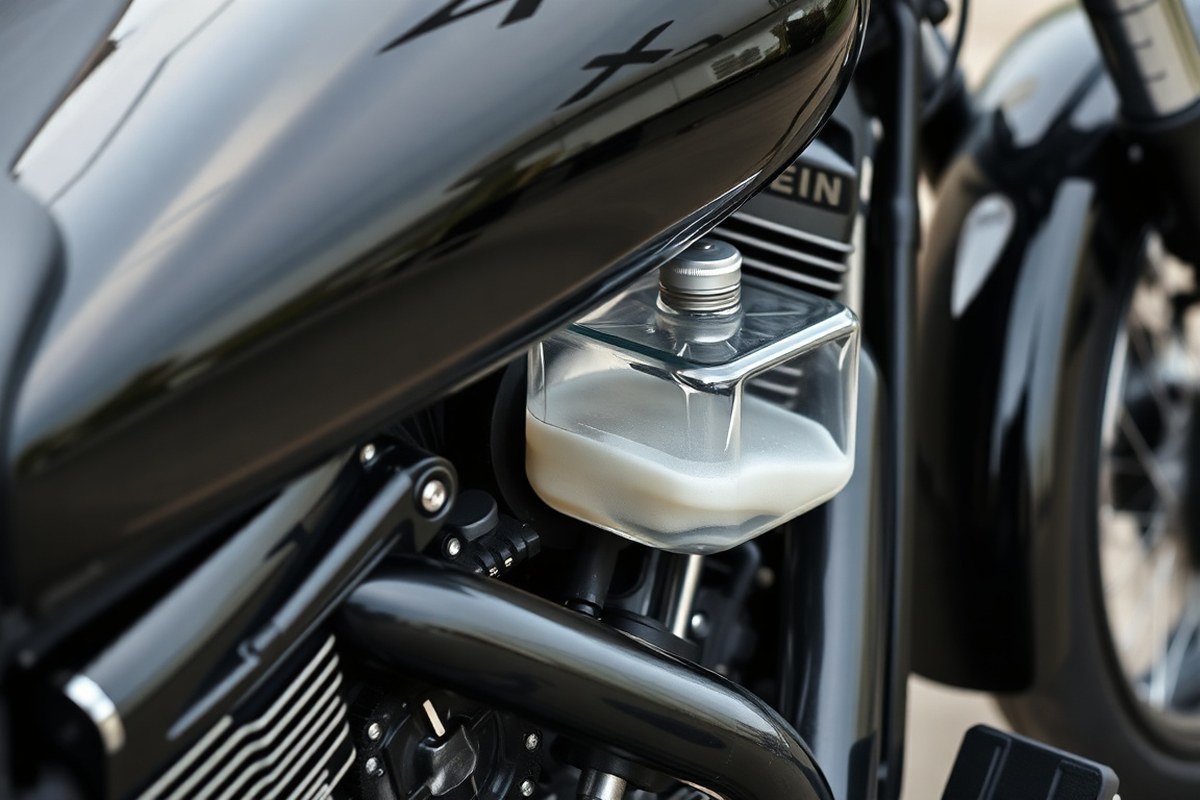
Dry, wet, and curb weights describe different stages of a Harley’s total weight. Dry weight means the bike without fluids or accessories. Wet and curb weights include fluids, fuel, and sometimes accessories, showing what you actually ride.
What Dry Weight Means
Dry weight is the Harley motorcycle without fuel, oil, or brake fluid. It also leaves out the battery and any added accessories or gear. Manufacturers often list dry weight to show the base frame and parts weight.
This measurement matters when comparing frames or engine sizes without the variable fluids. But it’s not very useful for understanding how heavy the bike feels on the road. Dry weight can be 20 to 30 pounds less than actual riding weight.
Wet and Curb Weights Explained
Wet weight includes fluids needed to run the bike. These are fuel, oil, brake fluid, and coolant if needed.
Curb weight is essentially the same as wet weight for Harleys. It reflects a fully fueled bike ready to ride, without a rider on it.
Most Harley curb weights range from 480 to 1,270 pounds. These numbers consider all running fluids and batteries, sometimes with standard accessories. This weight represents what you’ll feel when you pick up or move the bike.
Why Curb Weight Matters More Than Dry Weight
You’ll never ride a Harley without fluids or fuel. So curb weight matters most for practical riding.
It tells how heavy the bike actually is when ready to hit the road. This affects handling, parking, and transporting the bike.
Planning a test ride or storage space is easiest with curb or wet weight. This weight matches what you handle every day. Dry weight only helps compare raw specs, not real-world experience.
How Much Do Fluids and Accessories Add?
Fuel adds roughly 15 to 20 pounds, depending on the tank size. Motor oil and other fluids add another 5 to 10 pounds. Accessories add weight too.
They usually add 10 to 30 pounds or more. It depends on what you install.
For example, a basic Harley has a 5-gallon fuel tank. That fuel alone weighs about 30 pounds. Add oil and other fluids.
The difference from dry weight can be 25 to 40 pounds. Custom seats, saddlebags, or luggage racks add extra pounds beyond that.
Adjusting Weight for Your Setup
The final riding weight depends on your customization. Stock models have standard fluids and minimal accessories.
Adding parts like windshields or heavier seats adds weight. This can also change how the bike handles.
Keep track of the accessories’ weight when considering overall handling and transport. Your Harley’s curb weight can go up by 50 pounds.
This happens with a full load of gear. Proper weight awareness helps avoid surprises while riding or parking.
Don’t rely on dry weight alone to judge your Harley’s feel. Fluids and gear add 25 to 50 pounds.
Weight Differences Across Popular Harley-Davidson Model Groups
Harley-Davidson motorcycles come in distinct model groups, each with typical weight ranges. These groups include Sportster, Softail, Touring, and Trike models. Their weights vary mainly due to frame size, engine capacity, and added features.
Sportster Models and Their Weights
Sportster models are generally the lightest in Harley’s lineup. They weigh between about 481 and 502 pounds, making them easier to handle. These bikes usually have smaller engines like the 883cc V-Twin.
The 1200cc V-Twin is another common size. They are made for riders who want lightweight cruisers.
Sportsters have minimal touring gear and simpler frames. This keeps weight down, improving agility and maneuverability for city and casual riding.
For example, the Nightster weighs just 481 pounds. The Sportster S is around 502 pounds in running order.
Touring Models and Their Heavier Weights
Touring bikes weigh much more, typically between 800 and 900 pounds. They have bigger engines like the 1746cc V-Twin. These bikes come with saddlebags and larger fuel tanks.
Windshields are also included as extra features. These additions increase comfort and range but add hundreds of pounds.
This group includes models like the Road King, Electra Glide, Street Glide, and Road Glide. Their weight helps with highway stability but lowers maneuverability in tight spots. Many weigh between 811 and 893 pounds in running order, reflecting their fully equipped setup.
Trikes and Why They Are the Heaviest Harleys
Harley’s Trikes are the heaviest, weighing from 1,100 to nearly 1,270 pounds. The three-wheel setup requires a stronger frame and extra suspension parts. Trikes also carry heavier engines, around 1868cc, and more cargo capacity.
This weight supports stability for riders who want comfort and safety with three wheels. Models like the Tri Glide Ultra and CVO Tri Glide fall into this category. They weigh roughly double most Sportster models, reflecting their complex design.
| Model | Weight (lbs) | Engine Size | Category |
|---|---|---|---|
| Nightster | 481 | 883cc V-Twin | Sportster |
| Sportster S | 502 | 1250cc V-Twin | Sportster |
| Street Bob | 646 | 1746cc V-Twin | Softail |
| Fat Boy | 694 | 1746cc V-Twin | Softail |
| Road King | 800 | 1746cc V-Twin | Touring |
| Electra Glide | 850 | 1746cc V-Twin | Touring |
| Tri Glide Ultra | 1,100 | 1868cc V-Twin | Trike |
The table shows how weight climbs from lighter Sportsters to heavy Trikes. As engine size grows and more gear is added, expect the weight to rise. The features on touring bikes, like windshields and saddlebags, add weight but improve longer rides.
How Harley-Davidson Engine Size Affects Motorcycle Weight
Engine size plays a big role in how much a Harley weighs. Larger engines have more parts and bigger cylinders, which add to the total weight. For instance, a Harley with a 1,300cc engine generally pushes the bike’s weight beyond 600 pounds.
Bigger engines don’t always mean a massively heavier bike. But the difference can be noticeable. A Sportster with an 883cc engine weighs about 545 pounds.
The 1,200cc version may tip the scales close to 570 pounds. That 25-pound increase comes from extra engine parts.
The engine uses thicker metal to handle more power. These parts add weight to the bike.
Some Harley models use design tricks to keep engines lighter. They might use aluminum instead of steel for parts or design more compact engines. These choices save weight but also affect durability and cost.
Shops rarely change engine weight much. They avoid big cuts due to strength issues. Performance concerns keep weights high, too.
Heavier engines need stronger suspension and frames, which adds to the bike’s weight too. Touring Harleys often have engines over 1,800cc. They weigh more than 800 pounds.
This comes from stronger frames and extra gear. Lighter sport bikes have smaller engines.
Mid-sized cruisers usually weigh under 600 pounds. These types use less heavy parts.
A Harley’s weight depends a lot on engine size. The supporting parts add more to the weight. These factors shape the bike’s total weight.
Increasing engine displacement usually adds at least 20 to 50 pounds, sometimes more. Careful design can keep weight down.
It balances power and ride comfort. This avoids making the bike too heavy.
How Does Harley-Davidson Motorcycle Weight Impact Handling and Performance?
Heavier Harley-Davidson motorcycles affect how you steer and balance the bike. Extra weight makes the bike slower to respond to quick movements. When you turn the handlebars, a heavier bike feels less nimble.
It takes more effort to lean into corners. You notice the difference right away.
Stopping distances also increase with added weight. A heavier bike needs more braking power to come to a full stop. A 600-pound Harley stops in 120 feet from 60 mph.
Adding 150 pounds of gear and rider might add 10 to 15 feet. That makes stopping longer and slower. You should give yourself extra space on the road when riding a heavier bike.
Fuel efficiency drops when the motorcycle weighs more. The engine works harder to move the extra weight, using more fuel per mile. A lighter Sportster might get around 50 miles per gallon.
A heavier touring bike might average closer to 40 mpg. This happens under similar riding conditions. That difference adds up over long rides.
Try to practice slow-speed maneuvers in a safe area to build confidence handling a heavier Harley. Keep your body centered and use smooth throttle and brake inputs to maintain control. Check your brake pads and tires often.
Make sure they handle the extra weight well. This helps avoid poor stopping or instability on the road.
Don’t overload your Harley beyond the manufacturer’s recommended weight limit. That risks control loss and longer stopping distances.
Tips to Reduce the Weight of Your Harley-Davidson Motorcycle
Replacing heavy stock parts with lightweight aftermarket components cuts your Harley’s weight effectively. Swapping steel parts for aluminum or carbon fiber helps cut weight. This change can reduce your bike’s mass by 10 to 20 pounds.
Lighter parts make a clear difference on the road. It takes some mechanical skill or a professional install. Costs vary from $200 to $800 depending on the part.
Switching to a lithium-ion battery is a simple, worthwhile upgrade. These batteries weigh much less than regular lead-acid ones. They drop your bike’s weight by about 10 to 15 pounds.
That can mean up to 70% less weight in the battery. They’re also more durable and hold charge better. Prices usually range from $150 to $350.
Heavy accessories and gear add up fast. Saddlebags, large windshields, and custom exhausts can tack on 30 to 50 pounds or more. Choosing lighter parts or removing extras costs less than you think.
You’ll notice your bike handles better and uses less fuel. This change makes a clear, practical difference.
- Swap steel parts for aluminum or carbon fiber pieces
- Replace the stock battery with a lithium-ion version
- Remove or switch to lighter saddlebags and windshield
- Choose a lightweight exhaust system for better weight balance
- Keep personal gear minimal when riding for daily use
- Regularly check and remove unneeded accessories
Before modifications, a fully loaded Harley might weigh around 750 pounds. After these changes, you could reduce weight by 30 to 50 pounds. Lighter weight leads to better acceleration, braking, and easier handling, especially at low speeds.
Watch out for mods that unintentionally add weight, like certain breather bypass kits or oversized seats. Removing too many comfort items can hurt your ride quality.
So balance weight savings with what you need. Aim for a total weight that feels manageable while keeping your bike’s performance intact.
Choosing a Harley Based on Weight for Rider Experience and Size
Pick a Harley that fits your strength, height, and riding skill. Lighter models suit beginners and shorter riders better. Matching bike weight with your size helps you handle it safely and comfortably.
Weight Considerations for New Riders
New riders should avoid heavy bikes to build confidence and skill. Bikes over 700 lbs can feel unstable and hard to control at low speeds. Try a bike with a lower seat height.
This lets you plant both feet firmly on the ground. It improves your balance and confidence.
Rider strength affects how well you manage the bike when stopped or moving slowly. Handling a full-dressed Harley weighing over 750 lbs requires more strength and experience. Safety improves when you feel stable and in control, so start with lighter options.
Models Recommended for Shorter or Lighter Riders
Short or lighter riders find bikes like the Sportster S easier to handle. It weighs about 502 lbs. They should also consider its 28-inch seat height.9-inch seat height.
The Dyna series is lighter and offers good performance with easier handling. Look for bike models with seat heights under 27 inches.
This helps shorter riders reach the ground comfortably. It boosts safety when stopping.
A bike that lets you put both feet down at stops feels safer. A 700-pound bike with a low seat can be easier to handle. A 500-pound bike with a taller seat may be harder.
Seat height affects control more than weight. Some suitable models include:
- Harley-Davidson Street 500 (lighter frame, lower seat)
- Dyna Low Rider (lighter weight, manageable size)
- Sportster Iron 883 (around 560 lbs, lower seat height)
- Softail Standard (moderate weight, balanced design)
- Street Glide (light for touring, about 775 lbs)
Choose a bike that matches your height and strength, not just weight.
Handling Tips Based on Rider Experience
New riders should practice mounting, dismounting, and slow-speed handling in a safe area. Familiarity with your Harley’s weight helps avoid tipping or strain. Riding a bike too heavy for you can cause fatigue and increase accident risk.
Experienced riders can manage heavier bikes like the Road Glide. It weighs nearly 850 lbs. It has a low 25-inch seat height, which helps control.9-inch seat height.
Match skill with weight for better control. Adjust your riding style to account for the weight, especially in tight turns and parking.
Weight Challenges of Transporting and Storing Harley Motorcycles
Heavier Harley motorcycles can be tricky during loading and unloading. Bikes that weigh around 800-900 pounds need careful handling. Use the right gear to protect yourself and the bike.
This helps avoid injuries and damage. You’ll want to use equipment made for heavy loads to keep control and balance.
Using a sturdy ramp and a solid motorcycle dolly helps move these heavier bikes. Tie-down straps rated for at least 1,000 pounds ensure the bike stays secure during transport.
Good gloves improve your grip. A helper makes the job safer and easier when handling big Harleys.
- Strong loading ramp with non-slip surface
- Heavy-duty motorcycle dolly or wheel chock
- Ratchet tie-down straps rated above the bike’s weight
- Work gloves for a secure grip
- Assistant to help guide and steady while lifting
- Flat, stable surface to load and unload
Storing heavier Harleys also needs some thought. Position your bike on a level surface to prevent falls. Use a quality side stand puck to spread the bike’s weight.
A small wood block also works well to prevent sinking. This helps keep the bike stable on soft ground. Keep the storage area clean and well-lit to reduce risks when moving the bike.
Always double-check your tie-downs before driving to prevent the bike from shifting or falling.
Trying to load a bike without a ramp can cause tipping. Lifting the bike alone often leads to dropping it. Always use proper tools and get help.
A cheap, weak ramp can bend or slip, causing sudden drops. Investing in proper tools typically costs between $50 and $150. But it saves lots of headaches and keeps you safe.
For indoor storage, many riders use heavy-duty bike covers to keep dust out. Consider wheel chocks indoors, too, especially if the floor is slick. Planning your setup ahead protects your Harley and makes coming and going quicker and less risky.
Common Misunderstandings About Harley-Davidson Weight and Performance
Heavier doesn’t always mean a worse riding experience on a Harley. Many Harley models are built for cruising or touring, where extra weight adds stability on highways. This weight helps the bike feel solid and smooth instead of twitchy, especially at higher speeds.
Heavier bikes can be harder to handle when you’re parking or riding slowly. Lighter models, like the Sportster, are easier to maneuver in tight spaces or city traffic. On open roads, a touring bike’s extra weight helps comfort.
It also gives you more control while riding. This makes long rides less tiring.
Not all big-engine Harleys weigh the same. The engine size increases weight. But so do features like saddlebags, fairings, and bigger fuel tanks.
For example, a Street Glide has a bigger engine and full touring gear. It weighs much more than a basic Fat Boy. Their engines might be close in size.
Some riders think a heavier bike means slower acceleration or worse fuel efficiency. That’s not always true.
High-torque Harley engines can still provide strong power, overcoming extra weight smoothly. It’s best to test ride to feel how weight affects acceleration on the model you want.
Another mistake is thinking weight alone defines handling quality. Suspension, tires, and rider skill matter more in many cases.
You can make a heavier Harley feel lighter by adjusting tire pressure or upgrading suspension components. Those tweaks improve your control without major weight loss.
People assume heavier models cost more to maintain because of weight. The weight itself doesn’t raise maintenance.
But a bigger or more complex bike may need pricier parts. Maintenance costs depend mostly on the model’s design, not just how heavy it is.
A common myth says touring Harleys are too heavy for beginner riders. Actually, beginners often prefer lighter Harleys like the Street 500 or Sportster.
But experienced riders seeking comfort on long rides buy heavier models. Pick a bike that fits your strength and riding style.
Many riders worry that a heavy Harley will tip over easily. The wider and lower design of many Harley cruisers lowers the center of gravity.
This design keeps the bike stable even at a stop. Weight distribution matters more than total weight for balance.
Step-by-Step Action Plan to Choose the Right Harley by Weight
Follow these steps to pick a Harley that suits your riding style and strength. This ensures your bike feels just right when you ride.
- Before you buy: Check the curb weight and engine size of models you like. Pick one that matches your comfort with lifting and balance.
- Within a week: Visit a Harley dealer and sit on different models. Feel which weight and size you handle best while stationary.
- After day one of riding: Test ride your top two choices for about 10 minutes each. Notice how the weight affects turning and stopping.
- After one week of riding: Pay attention to fatigue levels. A bike that’s too heavy might tire you faster on longer rides.
- After one month: Try adding or removing accessories like luggage racks or aftermarket parts. See how added weight changes bike handling.
- Every season: Think about your riding experience from the past year. Decide if you want a lighter or heavier bike. Make your choice based on how you rode and felt. Change if comfort or control isn’t optimal.
Frequently Asked Questions
How Much Does a Harley-Davidson Sportster Weigh?
Harley-Davidson Sportster bikes usually weigh from 500 to 600 pounds. This weight range allows you better control than heavier Harley models.
What Is the Weight Range for Harley-Davidson Trikes?
Harley-Davidson trikes usually weigh between 1,100 and 1,270 pounds. These heavier weights come from the three-wheel setup and extra rear suspension.
Do Harley-Davidson Touring Bikes Weigh More Than Cruisers?
Yes, full-size touring models generally weigh around 800 to 900 pounds. Cruisers are lighter, averaging about 600 to 700 pounds.
How Much Does a Harley with an 1200cc Engine Usually Weigh?
A Harley with a 1200cc engine often weighs around 550 to 600 pounds. This is common in the Sportster lineup featuring the 1200cc engine.
Are Harley-Davidson Motorcycles Among the Heaviest on the Market?
Some Harley models weigh close to 1,000 pounds making them heavier than many bikes. This is especially true for full-dress touring models and trikes.
Final Thoughts
Harley weight matters for your comfort, control, and safety on the road. Choose a bike whose weight matches your experience and size. Start by test sitting and riding to feel what fits you best.