What Happens When You Take a Risk While Driving: 9 Essential Facts You Need
What happens when you take a risk while driving? The quick answer is you increase your chance of crashing and facing serious consequences. Risky choices, even small ones, can make your drive unsafe right away.
Speeding too fast or texting while driving steals your focus from the road. These actions raise your crash risk and can lead to injuries or worse. The faster you go, the less time you have to react.
Running red lights or tailgating can cause deadly collisions and legal troubles. Every risky act adds to your chance of a costly accident or ticket. These dangers affect not just you but everyone sharing the road.
Knowing how risks affect you can help you stay safer. Start by watching your speed and keeping full attention on the road. That focus helps you spot danger early and avoid accidents before they start.
Key Takeaways
- Always buckle up; unbelted passengers increase harm risk by 40% after a crash.
- Stay off your phone while driving to avoid distracting yourself and others.
- Keep your speed safe and adapt it to road and traffic conditions.
- Never drive drowsy; 20 hours awake equals driving under alcohol influence.
- Use mirrors and scan ahead constantly to reduce blind spots by up to 40%.
- Agree with teens on checkpoints during supervised driving to build safer habits.
What Happens When You Take a Risk While Driving?
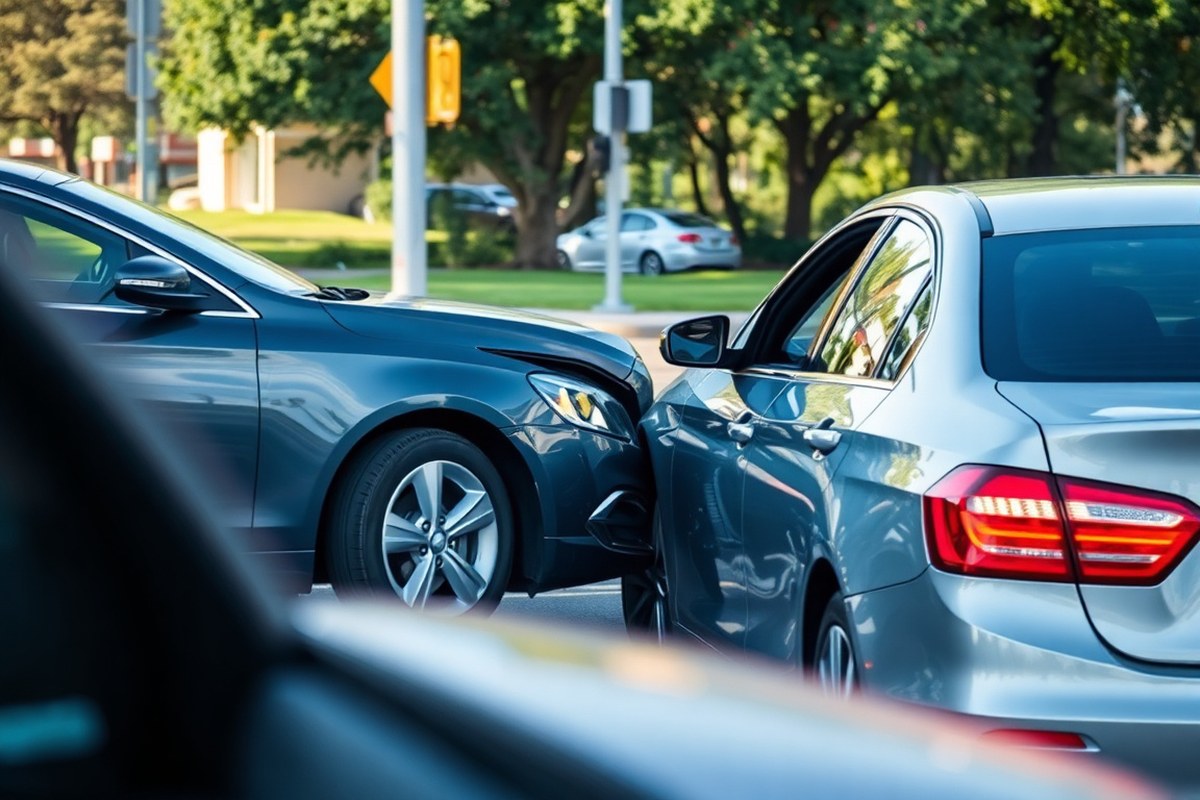
Taking a risk while driving often causes immediate hazards for everyone on the road. Risky actions, like speeding or using your phone, quadruple the chance you’ll crash. Crashes can happen even if you think you’re careful or lucky that day.
When you drive distracted, worse things happen fast. Your reaction time slows down, making it harder to avoid sudden stops or obstacles. Drivers using phones face the same risk as drunk drivers.
Research shows their risk matches a legal blood alcohol limit. This means texting can be as dangerous as drunk driving.
These risky behaviors don’t only threaten your health. They expose your wallet too. One accident or ticket can raise your insurance a lot.
Sometimes, your premiums might even double or more. That’s why staying safe pays off financially. The surprise costs from repairs, medical bills, and legal fees add up quickly.
You can also face legal trouble after risky driving. Reckless driving or DUI often bring fines and license suspension. You can also face jail time for these violations.
The consequences are serious and costly. The courts treat these actions seriously because they endanger others’ lives and property.
The consequences get worse if you injure someone or cause a fatal accident. Besides criminal charges, you might pay damages in a lawsuit. This financial exposure can be life-altering if you lack proper insurance coverage.
Not every risk causes a crash. But the danger doesn’t disappear just because you avoid one. Risky driving increases stress and wears down your focus.
It increases your chance of error when you least expect it. This is worse in tricky situations like poor visibility or bad weather. Always stay alert in tough conditions.
Wearing your seatbelt every time you drive reduces injury chances drastically during crashes. It’s one simple step that can protect you even if a risk leads to an accident. Avoiding distractions and obeying speed limits do the same for those around you.
Common Risky Driving Behaviors That Increase Accident Chances
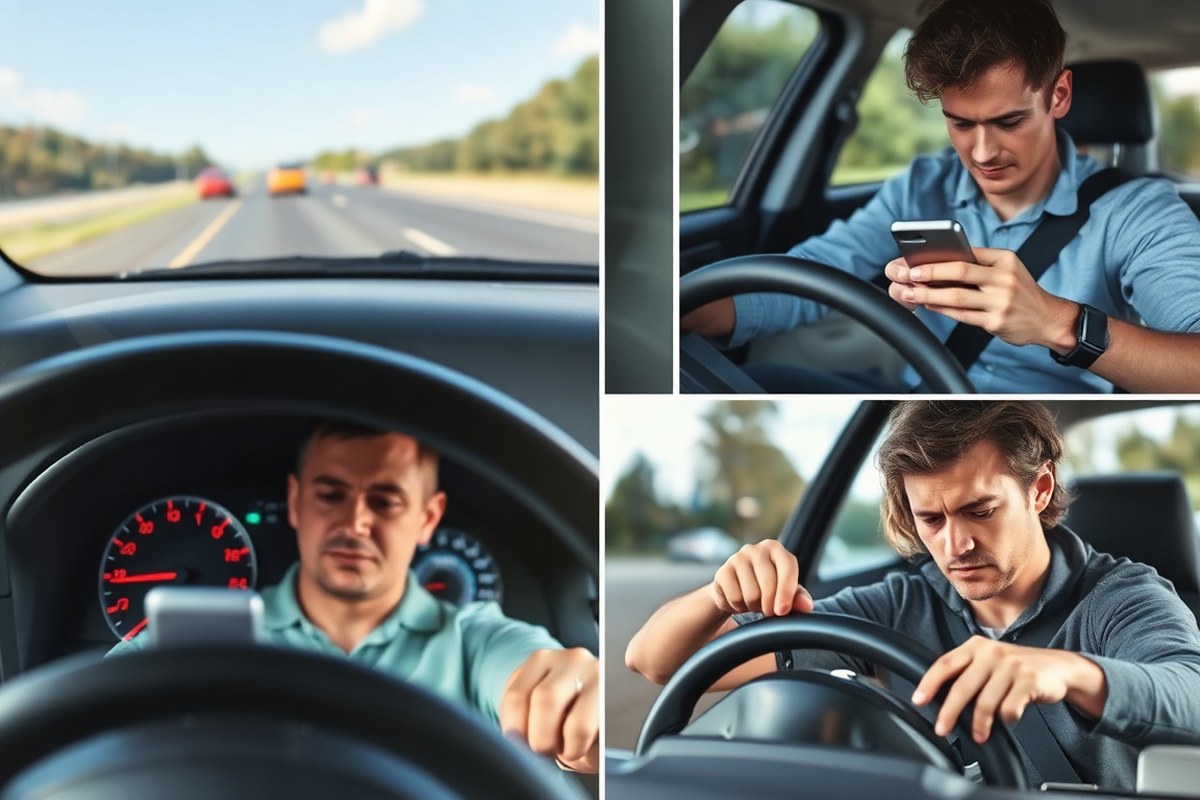
Risky driving includes behaviors that raise your chances of a crash. Some actions are more common and dangerous, causing many accidents every year. You need to watch for them and stop before they lead to harm.
- Speeding: Driving too fast reduces your reaction time and control.
- Using mobile phones: Handling a phone diverts focus, quadrupling crash risk.
- Driving drowsy: Fatigue slows reactions and decision-making behind the wheel.
- Aggressive driving: Tailgating and sudden lane changes create hazards for all drivers.
- Failing to yield: Ignoring right-of-way rules causes crashes at intersections.
- Driving under influence: Alcohol or drugs impair judgment and coordination sharply.
- Running red lights or stop signs: Breaking traffic signals often leads to severe collisions.
Speeding tops the list as a leading cause of fatal crashes. It’s easy to lose control at high speed, especially when road conditions are poor.
Using a phone while driving takes your eyes, hands, and mind off the road. Studies show drivers on phones are four times likelier to crash with injuries.
You can spot risky behavior often in teens. But drivers of all ages get distracted or impatient.
The first six months of driving carry the highest accident risk because new drivers lack experience. That’s why teaching good habits early helps reduce crashes.
Erratic or aggressive moves demand others around you to react quickly or brake hard. This can cause chain reaction crashes or crashes that cause injuries. Learning to drive defensively means avoiding such risky acts and staying calm.
Never use your phone or engage in distractions while driving. Even hands-free calls split your attention.
How Distracted, Aggressive, and Drowsy Driving Differ in Risks
Distracted, aggressive, and drowsy driving each carries unique risks that increase your chances of a crash. You face distinct problems and consequences depending on the risky behavior you choose. Understanding how these styles differ helps you spot danger and avoid accidents.
Types of Distracted Driving
Distracted driving happens anytime your attention strays from the road. Using your phone, eating, or adjusting the radio takes your eyes, hands, or mind off driving. Phone use is the deadliest distraction, linked to over 3,275 deaths in 2023 alone.
Even a quick glance at your phone can make you miss signals. It can also cause you to miss stopped cars. This small distraction is risky on the road.
Distractions delay your reaction time and make you unaware of your surroundings. You lower your ability to respond to hazards and increase the crash risk dramatically.
Forms of Aggressive Driving
Aggressive driving means taking risky behavior to extremes, such as tailgating or road rage. It includes speeding, cutting off other drivers, and running red lights. This behavior raises stress levels and escalates chances of crashes involving injury or death.
Often, aggressive driving happens when you try to save time or express frustration. Laws targeting aggressive driving exist but are rarely effective in stopping this behavior. You can get fined or have your license suspended if caught.
Symptoms and Effects of Drowsy Driving
Drowsy driving causes slower reflexes and reduced alertness, which is as dangerous as drunk driving. Staying awake for 20 hours affects driving ability similar to a DUI-level alcohol impairment. You might nod off or miss important signs without warning.
Being tired makes your crash risk go up fast. You react slower and judge situations poorly when tired. Drowsiness can lead to serious crashes with injuries or deaths.
You might drift out of your lane or brake too late. Proper sleep before driving is key to staying safe.
The table below summarizes key differences between distracted, aggressive, and drowsy driving. It highlights causes, effects, and typical outcomes to help you understand what to avoid.
| Driving Type | Main Causes | Effects on Driving | Possible Outcomes |
|---|---|---|---|
| Distracted Driving | Phone use, eating, adjusting controls | Delayed reactions, missed signals | Crashes, injuries, 3,275 deaths (2023) |
| Aggressive Driving | Speeding, tailgating, running lights | Higher stress, reckless moves | Accidents, fines, license loss |
| Drowsy Driving | Lack of sleep, fatigue | Slow reflexes, nodding off | Severe crashes, injury, fatalities |
Knowing the specific dangers helps you stay alert and avoid risks. Put your phone away, control your speed, and rest well.
These simple steps greatly boost your safety on the road. Each risky habit requires different actions to stop and protect yourself and others.
Physical and Legal Consequences of Taking Driving Risks
Risky driving often causes serious injuries like broken bones and whiplash. These happen because crashes occur at high speeds or without warning. Speeding is the main factor in over half of fatal crashes.
Police impose fines and penalties for dangerous driving, sometimes including jail time. Speeding, aggressive driving, or impaired driving can cause license suspension or revocation. Courts may require defensive driving courses or probation, depending on the offense and severity.
Insurance companies respond to risky driving by raising premiums or denying coverage. They track risky behavior through telematics, which monitors speed, braking, and acceleration in real time. After an accident, your insurance rates might go up.
They can also refuse to cover damage if you caused the crash. This can cost you a lot more money.
Legal consequences also include charges like reckless driving or DUI, carrying heavy fines and jail time. Speeding more than 20 mph over the limit can lead to fines. These fines may reach several hundred dollars.
Police often issue tickets for this level of speeding. Combined with insurance hikes, these costs add up quickly and affect your driving privileges.
Documenting accidents well, including photos of vehicle damage and injuries, helps handle insurance claims. This evidence clarifies what happened and supports your side in disputes. It’s key to act fast and record accurate details after any risky driving incident.
Driving risks continue because people underestimate consequences or feel pressure from time and distractions. Technology like speed governors and app-based no-phone policies aim to reduce risk but need strict enforcement. The best way to avoid injuries and legal trouble is careful driving.
Stay alert and make smart choices on the road. This also helps prevent costly insurance hikes.
How Situational Awareness Affects Your Risk Levels While Driving
Situational awareness means knowing what’s happening around you while driving. It helps you spot dangers early and react safely. Losing focus or failing to scan increases accident risk drastically.
Techniques for Scanning and Mirror Use
Scanning the road ahead and frequently checking mirrors lower your chance of surprise hazards. Look far down the road, at intersections, and watch other drivers’ signals. Using mirrors properly reduces blind spots by about 35 to 40 percent.
Here’s how to build a good scanning and mirror routine that fits most driving situations:
- Look 10 to 15 seconds ahead while driving to detect hazards early.
- Check your rearview mirror every 5 to 8 seconds to stay aware of traffic behind you.
- Use side mirrors to cover blind spots before changing lanes or merging.
- Scan intersections fully before entering, watching cross traffic and pedestrians.
- Adjust your scanning pattern when traffic is heavier or road conditions worsen.
- Practice regularly to make scanning and mirror use natural and consistent.
Never rely solely on mirrors; always turn your head to check blind spots.
Common Awareness Lapses to Avoid
Failing to signal lane changes and missing less familiar road signs are frequent awareness mistakes. Distractions like phones or fatigue often cause drivers to forget scanning or mirror checks. These lapses can lead to risky moves and crashes.
Driving in bad weather, like rain or fog, demands even sharper awareness. Many drivers don’t slow down enough or notice slippery spots early, raising accident danger. Simple awareness slips often multiply risk in tough driving conditions.
Building and Maintaining Good Awareness Habits
Creating habits from conscious practice strengthens situational awareness over time. Start each drive by adjusting mirrors and setting a scanning schedule. Keep distractions out of reach and remind yourself to signal well before turns or lane shifts.
Focusing on awareness requires deliberate effort, especially during long or tedious drives. You can improve by reviewing your driving routinely or getting feedback from a trainer. Staying alert means staying safe, and good habits minimize your chances of risky errors.
Environmental and Vehicle Factors That Amplify Driving Risks
Rain, snow, fog, and ice make roads slippery and cut visibility. This forces you to slow down and increase your following distance. Not adjusting speed in these conditions leads to sliding or crashes.
Road hazards like potholes, loose gravel, and uneven surfaces also raise accident chances. They can cause you to lose control or damage your vehicle, especially at fast speeds. Watch for signs warning about these dangers and avoid sudden steering moves.
Mechanical problems make controlling your car harder and risky. Brake issues can increase stopping distance, while worn tires lose grip. Engine trouble might cause sudden stalling or loss of power during critical moments.
- Check tire tread depth monthly and maintain proper inflation.
- Replace windshield wiper blades every 6 to 12 months for clear visibility.
- Test brakes regularly; listen for squealing or feel for spongy pedals.
- Inspect lights frequently to ensure all headlights and signals work.
- Keep windshield and mirrors clean for better sight lines.
- Avoid driving if engine warning lights stay on or the car pulls sideways.
Bad weather and road conditions change quickly, so stay alert and drive slower. Routine vehicle checks cost little but prevent malfunctions that could cause crashes. Adapt your driving based on what you see and how your car feels to lower risks.
How Telematics and Technology Help Monitor and Reduce Risky Driving
Telematics are devices that collect data about how you drive. They track speed, braking, acceleration, and even cornering. This data uploads to systems that analyze driving patterns to spot risky behavior.
AI dashcams add another safety layer by watching your driving in real time. They detect distractions, harsh braking, and tailgating.
The cameras alert you right away or log risky moments for review. They help you see exactly where you can improve.
Feedback from telematics and AI dashcams often comes through apps or reports. These tools show when you speed too much or brake sharply. Some systems even grade your driving and suggest safer habits based on the data.
Using telematics usually costs $10 to $30 a month through insurance or aftermarket providers. You’ll need a compatible device installed in your car or an app on your phone.
This cost can be worth it when it helps reduce crash risk. It may also lower your insurance premiums.
Seeing your driving scores and alerts motivates many drivers to slow down and pay more attention. Teens with telematics insurance tend to drive more carefully.
This safer driving habit lasts even after monitoring stops. Still, some drivers only slow down near cameras and then speed up afterward.
Success depends on regular feedback and your willingness to change. Ignoring alerts or checking your data too rarely means telematics won’t help your safety.
Also, some systems may misinterpret aggressive but safe driving as risky. So understanding your data matters.
Steps to Take Immediately After a Risky Driving Incident or Accident
Right after a risky driving incident, your first goal is safety. Then, get all needed info, report the accident promptly, and document details carefully. Follow clear steps to protect yourself and others while staying within legal rules.
Ensuring Personal and Passenger Safety
Check yourself and passengers for injuries immediately. Move everyone to a safe spot if the wreck blocks traffic.
Do this to avoid more danger. It helps keep everyone safer on the road.
Turn on hazard lights on your car to warn others. Leaving the scene before ensuring safety can cause bigger accidents or legal trouble.
Exchanging Information with Other Parties
Exchange names, phone numbers, addresses, insurance info, and driver’s license numbers. This helps insurance companies and police connect the dots after a crash.
Write down license plate numbers and vehicle makes. Getting clear info up front stops misunderstandings and supports any needed legal claims.
Contacting Emergency Services and Authorities
Call 911 if anyone is hurt or if the accident blocks a lane. Reporting all crashes to police is a legal requirement in many states for insurance claims.
Explain the situation calmly and follow all dispatcher instructions. Request medical help right away if there is any injury, even if it seems minor.
Documenting the Accident Scene
Take photos and videos of the vehicles, damage, road conditions, and any visible injuries. Clear evidence can prove fault and prevent false claims.
Write down the exact time, date, and location. Note weather, visibility, traffic signs, and anything else that might matter later.
Always keep a pen and small notebook in your glove box to record crash details immediately.
Use the steps below to handle things clearly and efficiently:
- Stop the car safely and turn on hazard lights.
- Check everyone for injuries and move to safety.
- Call emergency services if needed and report the crash.
- Exchange contact and insurance info with others involved.
- Take photos and note all details of the crash scene.
- Avoid admitting fault or blaming others at the scene.
- Contact your insurance provider to report the incident.
- Seek medical care even if injuries aren’t obvious right away.
Common Mistakes New Drivers Make with Risk and How to Avoid Them
New drivers often take risks like cutting off others or rolling through stops. These actions increase crash chances and make roads unsafe. Teens especially rush turns or weave through traffic, thinking it saves time but it causes problems.
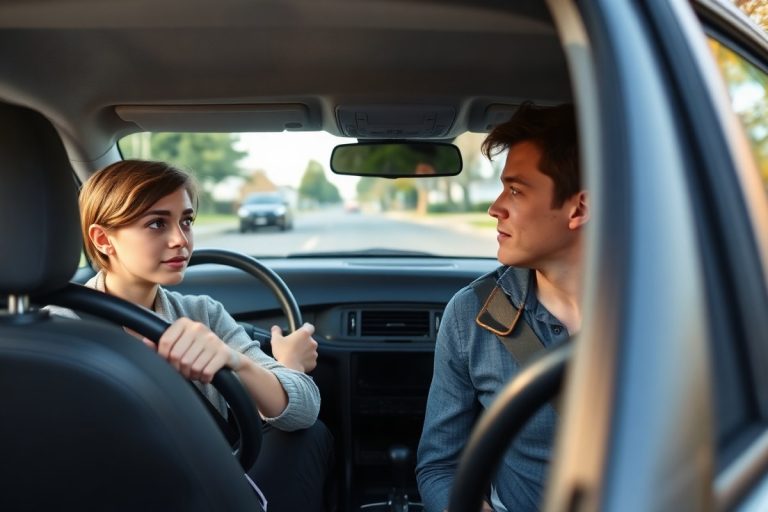
Parents and instructors can help by setting clear rules and modeling calm driving. Having open talks about real dangers can also help teens think twice. Practice time in low-traffic areas builds good habits before hitting busy roads.
- Stick to speed limits and keep a safe following distance
- Come to full stops at stop signs and red lights
- Use turn signals before every lane change or turn
- Avoid weaving or quick lane changes in traffic
- No phone use or distractions while driving
- Practice defensive driving techniques regularly
Following these points lowers risks significantly and builds confidence for new drivers. Avoiding quick, risky moves keeps your reactions sharp and traffic smoother. It takes patience and repeated practice, but safer habits stick and reduce error chances.
Parents should track progress and reward safe driving, not just time behind the wheel. Teens who know they’re being watched tend to drive more carefully.
New drivers need time to develop good judgment. Rushing can lead to costly mistakes or worse.
Step-by-Step Action Plan to Cut Driving Risks Now
Follow these steps to lower your chances of accidents quickly. They focus on habits you can build and tools you can use right away.
- Before you drive: Check your vehicle’s condition, including tires and brakes. A well-maintained car handles better, reducing risk.
- Day 1: Put your phone on Do Not Disturb while driving. Notice if you feel less distracted during trips.
- Week 1: Practice keeping a safe distance behind other vehicles. You’ll see how it gives you more reaction time in traffic.
- Week 2: Avoid driving when drowsy by setting a regular sleep schedule. Track your alertness on drives to feel the difference.
- After 2 weeks: Use a telematics app or device to monitor your driving habits. Check if your scores improve and risky actions drop.
- Month 1: Revisit traffic rules and signs regularly. Confidence in rules cuts confusion and risky last-second moves.
- Ongoing: Stay aware of weather and road conditions before and while you drive. Adjust speed and actions based on these factors.
Frequently Asked Questions
What Does “DR. BLOWBAGSY” Mean?
DR. BLOWBAGSY” is a slang warning to avoid blowing your horn aggressively. The driver safety campaign shows that honking too much causes problems.
It raises road tension. This can lead to more aggressive driving. Staying calm helps you stay safer on the road.
What Is an Example of Risk While Driving?
An example of risk while driving is texting on your phone. Using your phone distracts you from watching the road, which increases the chance of a crash. Keeping phone use restricted to stops lowers your accident risk.
What Is the Number One Killer When Driving?
Distracted driving is the number one killer on the roads today. It causes more crashes than speeding or driving under the influence combined. Avoid distractions to protect yourself and others on every trip.
What Are Four Examples of Risky Driving Behavior?
Four risky behaviors are speeding, distracted driving, aggressive driving, and driving under the influence. Each significantly raises your chance of crashing and injury. Recognize these habits to reduce your roadway danger.
How Long Does Drowsy Driving Affect Your Reaction Time?
Staying awake 20 hours slows your reaction as much as DUI-level alcohol. Fatigue impairs your focus and slows decisions behind the wheel. Pull over and rest whenever tired to drive safely.
Final Thoughts
Taking risks behind the wheel increases your chance of crashes and legal trouble. You can avoid most dangers by driving carefully and staying alert. Start by focusing on one new safety habit today to build better driving habits.