15k Is How Many Miles: A Complete Guide with Distance, Pace, and Training Tips
15k is about 9.3 miles. It’s a bit longer than a 10k but shorter than a half marathon. This distance tests your stamina without taking all day.
Knowing the exact mileage helps you plan your pace and training right. Don’t round it down. Running 9.3 miles is a bit farther than nine miles, and that matters.
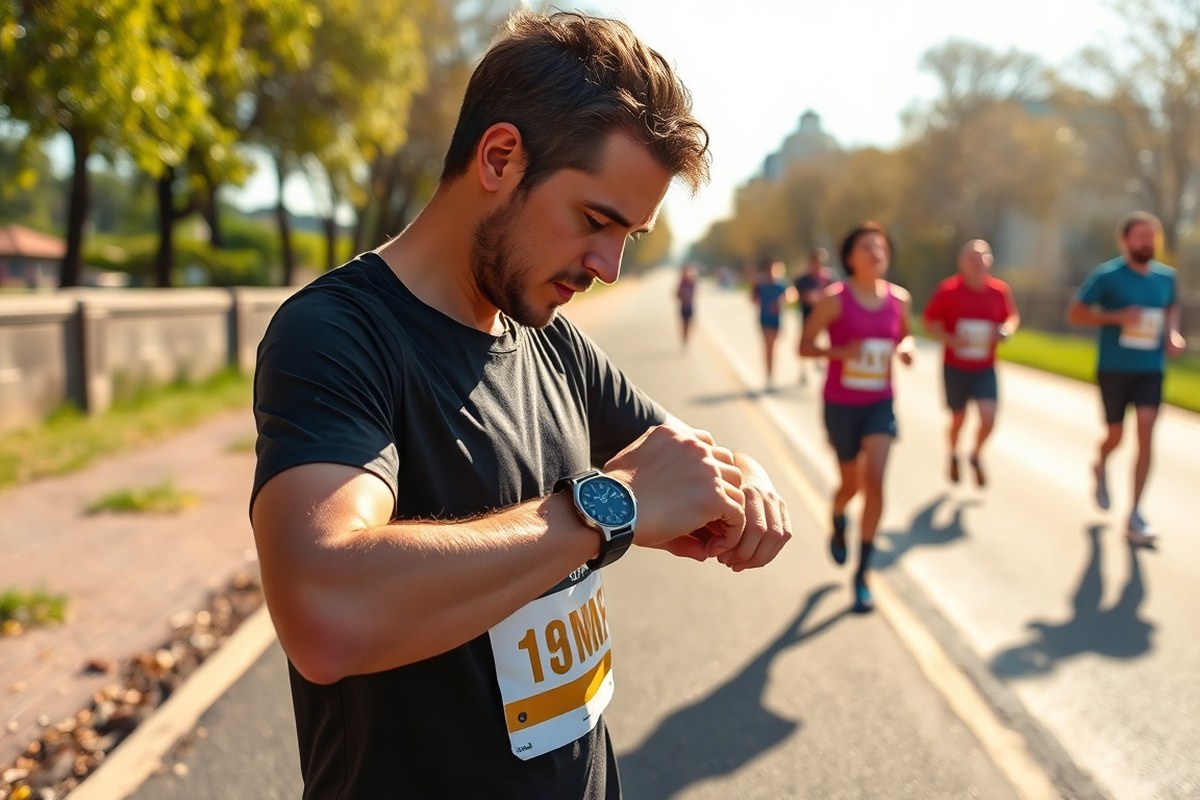
Use a running app or GPS watch to track your routes and get a real feel for the distance. This helps you set clear goals and avoid surprises during the race.
Since 15k is longer than 10k, plan your hydration and snacks accordingly. A light snack or extra water during training keeps your energy steady.
Key Takeaways
- A 15k race equals approximately 9.3 miles or 15 kilometers.
- The distance is longer than a 10k but shorter than a half marathon.
- More than nine miles means pacing and fuel need slight adjustment.
- Track your usual runs in miles to understand what 15k feels like.
- Plan training with this specific mileage in mind to avoid overestimating.
- Use GPS watches or apps to measure your training runs accurately.
How Many Miles Is a 15K Race?
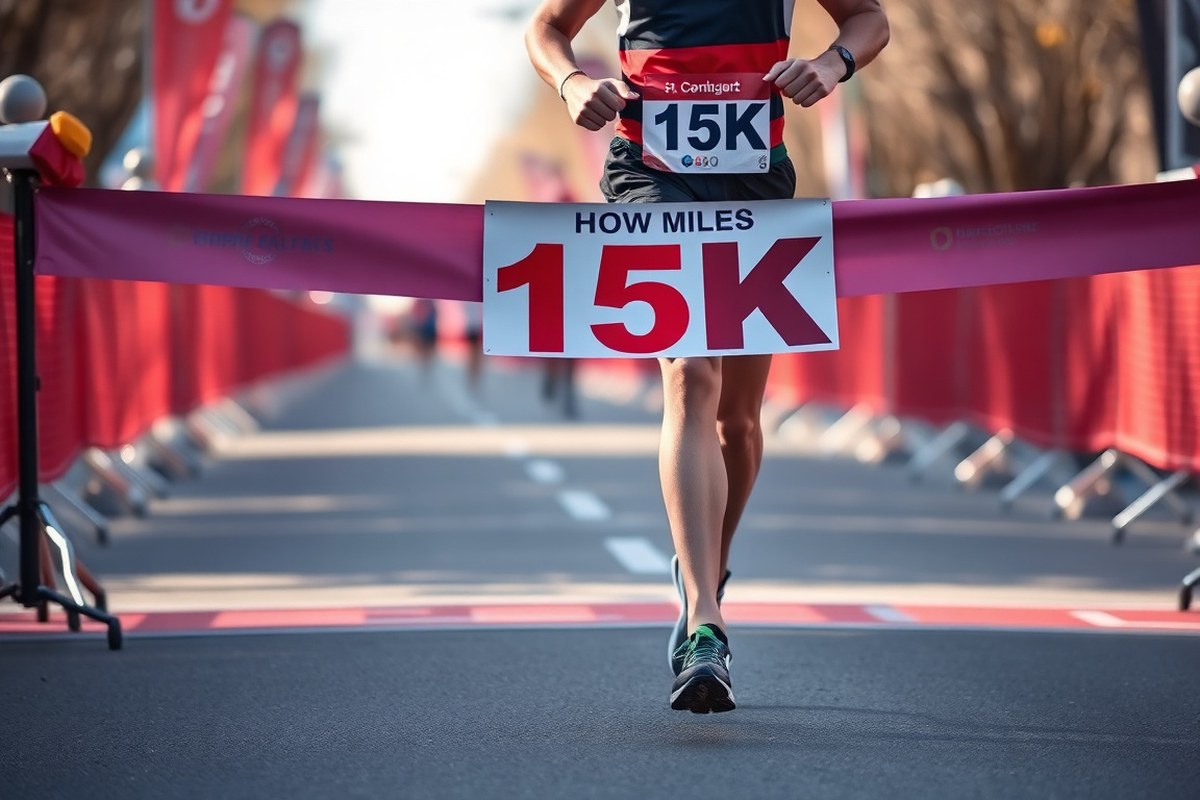
A 15K race covers exactly 15 kilometers. Using the metric conversion, 1 kilometer equals 0.621371 miles. So, 15 kilometers converts to 15 × 0.621371, which is about 9.32 miles.
This 15K distance is just a bit longer than 9 miles. Runners often see it listed as 9.3 miles because of the precise conversion from kilometers to miles. That small difference matters when you’re planning your pace or race strategy.
If you usually run 9 miles, a 15K adds distance. It’s about a third of a mile more. That’s a bit extra to plan for.
That small extra distance really matters in training or racing. It can affect your time goals.
Keep it in mind when you pace yourself. Knowing it’s 9.32 miles helps you prepare better.
To put it in context, a 5K is 3.1 miles, and a 10K is 6.2 miles. The 15K runs 9.3 miles, which is roughly one and a half times a 10K race.
Compared to a half marathon at 13.1 miles, the 15K is shorter but still a solid challenge. This shows how each race builds up in distance and endurance.
Comparing 15K to Other Common Race Distances
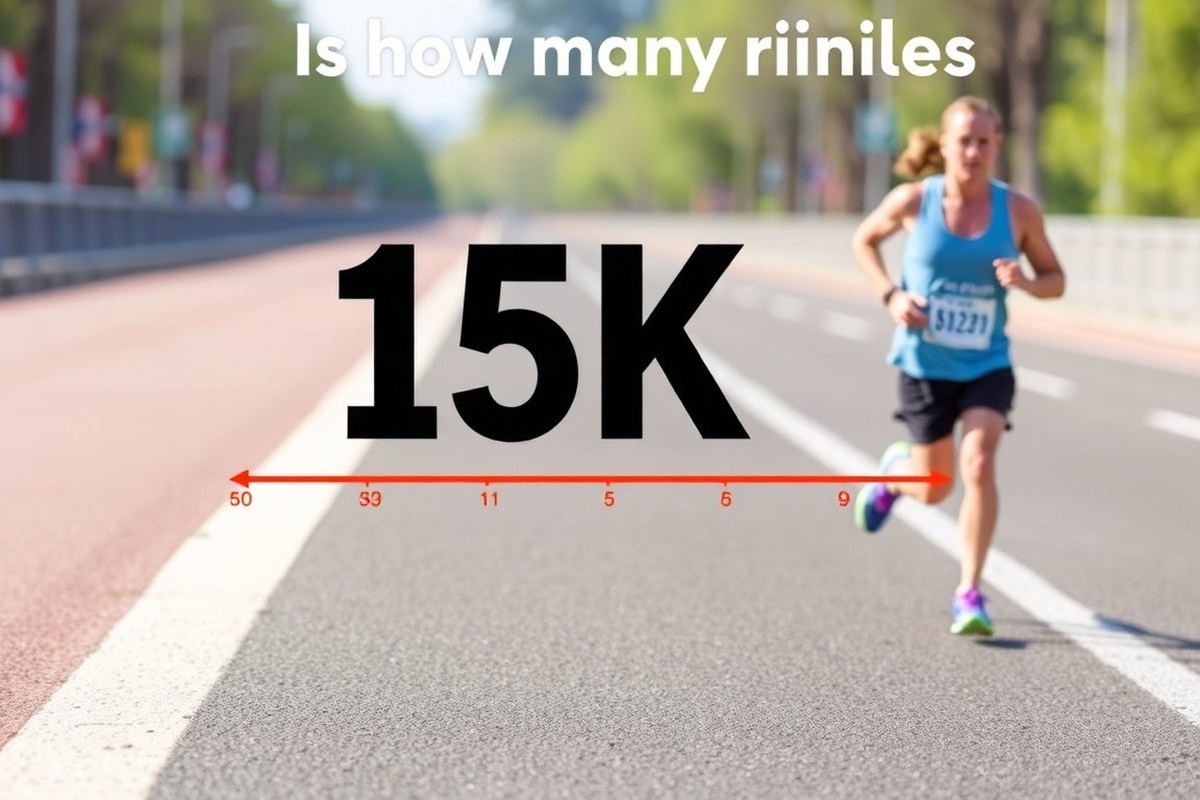
Popular race distances vary significantly, with 15K sitting between the 10K and a half marathon. A 5K covers 3.1 miles, the 10K doubles that at 6.2 miles, the 15K stretches to 9.3 miles, the half marathon clocks 13.1 miles, and the marathon reaches 26.2 miles. This progression helps runners choose the right challenge based on experience and fitness.
The number of steps and calories burned also increases with distance. For example, running or walking 9.5 miles (close to a 15K) takes about 20,000 steps and burns roughly 775 calories.
Shorter distances like a 5K require fewer steps and less energy, making them beginner-friendly. Understanding these details guides your training and race goals.
| Race Distance | Miles | Approximate Steps | Estimated Calories Burned |
|---|---|---|---|
| 5K | 3.1 | 6,500 – 7,000 | 195 |
| 10K | 6.2 | 13,000 – 14,500 | 390 |
| 15K | 9.3 | 20,000 | 580 – 775 |
| Half Marathon | 13.1 | 28,000 – 30,000 | 1,000+ |
| Marathon | 26.2 | 55,000+ | 2,000+ |
Using step count as a guide depends on your height and stride. A person about 5’6″ tall takes roughly 20,000 steps to cover 9.3 miles. Calories burned also change based on pace, weight, and terrain.
Running a 15K burns about 50% more calories than a 10K. Your effort grows as you cover more distance. This shows how much harder longer runs can be.
Your stride length and pace affect your step count. These factors change how many calories you burn. They impact your race’s overall effort.
How Long Does It Take to Run 15K?
Running a 15K takes different amounts of time based on your pace. Running a 10-minute mile means finishing in about 1 hour and 33 minutes. Slower or faster paces will adjust this total time significantly.
Average Finish Times for Beginners
Beginners often run at a pace between 11 and 14 minutes per mile. At an 11-minute mile, expect to finish a 15K in about 1 hour and 42 minutes. Slowing to 14 minutes per mile could push your time to 2 hours and 10 minutes.
Many new runners use a run/walk method. They move at 13 to 17 minutes per mile. This pace helps them build endurance.
This approach can lead to finish times between 2 hours and 3 hours. This strategy helps maintain energy and reduce injury risk while building running fitness.
Intermediate Runner Pace Scenarios
Intermediate runners typically run between 7 and 9 minutes per mile. Running a 7-minute mile pace means you’ll finish 15K in roughly 1 hour and 5 minutes.
Running at an 8-minute mile pace gets you about 1 hour and 15 minutes. A 9-minute mile pace brings you close to 1 hour and 24 minutes.
Choosing the right pace matters because it balances effort and endurance. Starting slower, around 8 or 9 minutes per mile, can help you finish strong. Feeling good near the end lets you safely speed up and improve your time.
Elite Runner 15K Times
Elite runners finish a 15K with 5K splits under 15 minutes. That means running under a 4:50 minute mile.
These runners complete the distance in under 45 minutes. This pace demands a high level of training, speed, and endurance.
Elite times are rare for most runners. They set a strong target for highly competitive runners.
Training for this pace means focused speed work and long runs over several months. Finishing a 15K this fast requires careful planning and a solid base of fitness.
Steps and Distance: How 15K Converts to Walking and Running Steps
Fifteen kilometers equals about 9.3 miles, but steps vary with stride length. Walking 15K usually means more steps than running the same distance. Your height and gender change how many steps cover 15 kilometers.
Step Length and Its Impact on Counting Steps
Your stride length depends on height and pace. An adult’s walking step equals roughly 41% of their height. For example, a 1.7-meter (5’7″) person takes about 0.70 meters per step.
Since running steps are longer, you take fewer steps running than walking the same 15K. Average step lengths in feet for walking are about 2.2 for women, 2.5 for men, and 2.3 overall.
Average Steps for 15K by Gender
| Gender | Average Step Length (feet) | Steps in 15K | Miles Covered* (walking) |
|---|---|---|---|
| Women | 2.2 ft | ~23,011 | ~6.25 miles |
| Men | 2.5 ft | ~20,253 | ~7.10 miles |
| Average Adult | 2.3 ft | ~21,300 | ~6.53 miles |
Miles are counted using walking step length only. Walking steps are shorter, so total miles fall short of 15K. This means the distance seems less than 15 kilometers.
Why Walking vs Running Steps Differ
Running covers more ground per step than walking. A running step can be longer by 10% to 20% or more, depending on speed. This difference lowers total steps for 15K when running.
On average, walking 15 kilometers takes about 21,300 steps for adults. Running might take 16,000 to 18,000 steps, depending on stride.
How Height and Gender Affect Your Step Count
Taller people have longer steps, meaning fewer steps per 15K. Men generally have longer stride lengths than women due to height differences. Women often take more steps over the same distance.
Your personal height changes step length. So two people walking 15 kilometers take a different number of steps.
A 1.6-meter (5’3″) person might take over 22,600 steps walking 15K. A 1.9-meter (6’3″) person takes about 19,100.
Tips for Tracking and Adjusting Step Goals
Use this list to better estimate and track your step count when covering 15K distances:
- Measure your typical walking and running stride lengths at home or on a treadmill.
- Adjust your pedometer or fitness tracker step goals based on these length estimates.
- Consider that walking 15K takes roughly 21,000 to 23,000 steps depending on your height.
- Expect fewer steps for running 15K, usually 16,000 to 18,000 steps.
- Use height and gender averages as a quick guide if you haven’t measured your own stride.
- On uneven terrain, stride length might shorten, adding extra steps to your total.
- Remember, step counts help gauge effort but aren’t exact distance measures without stride info.
Knowing step conversion to 15 kilometers helps set clear goals. It also prevents training too much or too little.
This keeps your workouts balanced and effective. Tracking your exact stride length gives the best step count estimate for your pace and height.
Is Running a 15K Race Hard? What to Expect
Running a 15K covers about 9.3 miles, pushing past the 10K distance. It demands steady energy for nearly 10 miles, making it an endurance run. Most new runners find 15K harder than a 5K or 10K.
It takes longer to run, which feels tougher. You spend more time moving, so it wears you out more.
You don’t have to run the entire 15K nonstop at first. Many beginners include walk breaks, just like they might in a first 5K race. This method builds stamina while keeping you from burning out.
You can finish the distance safely. It also lowers your risk of injury.
For beginners, training should gradually increase weekly mileage. Aim to add no more than 10% per week to avoid overuse injuries. Mix easy runs with faster intervals and longer runs.
Do this as race day gets closer. It helps build both endurance and speed.
A 15K feels tougher than a 10K. But it’s less brutal than a half marathon. Moving from 10K to 15K helps your body adjust to longer runs.
It isn’t as hard as jumping straight to a half marathon. This step eases the strain on your body.1 miles. Many runners use a 15K as a stepping stone before trying a half marathon.
More experienced runners may focus on pacing and hydration to improve 15K performance. Maintaining a steady pace is key because going too fast early wastes energy later. Drink water or electrolyte drinks at aid stations, especially on warm days.
Make sure to practice race pace in training runs. It helps your body learn the effort required for race day.
Some find 15K races on hilly or hot courses more demanding. When running in heat above 75°F, slow your pace down. Drink plenty of fluids to stay hydrated.
Take breaks if you feel too hot. Hills need strength training each week to keep your speed.
Try hill repeats or lunges. This helps you climb without getting too tired.
Running a 15K offers a solid challenge without reaching marathon-level fatigue. It suits both beginners ready to push past shorter races and intermediate runners improving endurance. The key is consistent training and adjusting your strategy for the race day conditions.
How to Prepare and Train for a 15K Race
Preparing for a 15K race means building endurance, practicing pacing, and focusing on nutrition. You need a training plan that increases mileage gradually and strengthens your body. Managing recovery and hydration is also key to staying strong and injury-free.
Weekly Mileage Recommendations
Start by running easy for 3 to 5 miles a few times a week. Aim to increase your total weekly mileage by no more than 10% every week. This steady buildup helps your body adapt without risking injury or burnout.
Include one longer run each week that gradually approaches the 15K distance. This run boosts your endurance and confidence. Mix in a couple of shorter runs or cross-training sessions for recovery and variety.
- Run 3 to 5 days weekly
- Increase mileage by 10% max each week
- Include one long run gradually building towards 9.3 miles (15K)
- Do some easy runs at a comfortable pace
- Add strength training to support running muscles
- Take at least 1 or 2 rest or active recovery days
Stick to this plan for about 6 to 8 weeks before your race. Your body will get stronger and your runs will feel easier over time. Avoid sudden jumps in mileage to stay healthy.
Pacing Strategies for Race Day
Don’t start out too fast; a controlled pace keeps energy for the whole race. Begin the 15K a bit slower than your normal pace for shorter runs. This tactic helps avoid early burnout and maintains steady effort.
Practice pacing during training with tempo runs and intervals. Tempo runs improve your ability to hold a faster pace steadily. Interval workouts build speed and help you finish strong.
Recover well after hard efforts by walking or easy jogging. This helps your muscles repair and prepares you for the next session. On race day, trust your pace plan and adjust only if you feel comfortable.
Nutrition and Hydration Tips
Practice your race-day fueling in training to find what works best. Eat a light meal with carbs 2 to 3 hours before running. This gives you energy without digestive issues.
Drink water regularly during your training runs, especially longer ones. Staying hydrated prevents cramps and fatigue. On race day, drink at aid stations but avoid overhydration.
Avoid trying new foods or drinks on race day since they might upset your stomach. A good plan includes:
- Carbohydrate-rich meals before long runs
- Water or electrolyte drinks during runs over one hour
- Small snacks like gels during runs over 7 miles
- Post-run protein and carbs to aid recovery
- Testing shoes and clothes in long training runs
Common Pacing Mistakes and How to Avoid Them in a 15K
One common pacing mistake in a 15K is starting too fast. Many runners feel strong in the first miles, but this burns energy quickly. Starting too fast usually causes hitting a wall by mile 6 or 7.
Try running the first 3 miles slower. Keep it 10 to 15 seconds slower. This helps save energy early.
Say you want to finish in 90 minutes. Then run about 9:45 per mile at first. This pacing keeps you steady.
Check your pace often with a GPS watch or phone app. Adjust it if you feel like speeding up too soon.
Another mistake is ignoring the course terrain, which can mess up your effort balance. Runners often push hard on uphill sections and tire out before the downhills.
Instead, run hills at a controlled effort, maintaining your breathing, not your pace. On downhills, you can increase speed slightly but avoid full sprinting unless you feel completely fresh.
Hot weather means you must slow down more than usual. Your body works harder in the heat. Add 10 to 20 seconds per mile if it’s hotter than 70°F (21°C).
This helps prevent overheating and stress. Hot weather stresses your body and wears you out quicker. So accept slower splits early to prevent burnout later.
Pay attention to how your body feels throughout the race. Breathing heavy or shaky legs by mile 5 mean you’re likely pushing too hard. Slow down soon.
Drop your pace by 5 to 10 seconds per mile. Keep your running smooth and steady. This adjustment keeps your energy in reserve for a strong finish.
It’s also common to ignore hydration and nutrition which affect pacing badly. Plan to take small sips of water every 2 to 3 miles, especially on warmer days. Try a sports drink or gel around mile 5 or 6.
It keeps your energy from dropping too much. Skipping this leads to fatigue and slower times.
Runners unfamiliar with 15K pace often guess too fast based on shorter distances like 5Ks. Remember, a 15K covers about 9.3 miles. So your pace should be slower and more steady.
Use your 10K pace plus 10 to 20 seconds per mile. This helps find a safe pace for 15K runs. This strategy prevents early burnout and improves your chance of finishing strong.
Choosing Between a 15K and a Half Marathon
Picking between a 15K and a half marathon depends on your fitness and goals. A 15K covers about 9.3 miles, while a half marathon is 13.1 miles. The extra 3.8 miles in a half marathon requires more training and stamina.
You can use a simple decision rule based on your recent runs. When you comfortably run 7 to 8 miles, a 15K makes a good next goal.
Running 10 miles or more often? Try a half marathon to step up.
The table below compares key factors to help you choose. It looks at distance, training time, average finish times, and typical race costs.
| Factor | 15K | Half Marathon |
|---|---|---|
| Distance | 9.3 miles | 13.1 miles |
| Training Time (weeks) | 8 to 10 | 10 to 12 |
| Average Finish Time (beginner) | 1:15 to 1:30 hrs | 2:15 to 2:30 hrs |
| Typical Race Fee | $30 to $60 | $40 to $80 |
| Recovery Time | 4 to 6 days | 7 to 10 days |
Think about how much time you can spend on training. A 15K needs less weekly mileage and recovery, which fits into busy schedules better.
The half marathon requires longer runs and more rest. So your weekly plan must be flexible.
You should also consider your running goals. Are you looking to build speed, confidence, or focus on endurance? A 15K is perfect for working on race pace and stamina.
A half marathon gives a serious challenge. It suits long-distance race plans.
Don’t skip long runs in training. They build the endurance your chosen race distance needs.
Unsure about distance? Time yourself on a 5-mile run to check fitness. Use that pace as a guide.
A 15K fits if a 5-mile run feels easy to you. Ready to increase distance by 30% or more without strain? Choose a half marathon.
How Weather, Terrain, and Gear Affect Your 15K Run
Weather conditions shape your 15K run more than you might expect. Hot days slow you down and sap energy fast. Wearing a lightweight, breathable running hat helps shield your face and scalp from sunburn and overheating.
On cold, windy days, wear thin, moisture-wicking shirts in layers. This helps you stay warm without sweating too much.
Gloves and a hat also protect your hands and ears without adding bulk. Rain demands water-resistant gear but stay light to avoid chafing.
Terrain affects pacing and stamina in big ways. Flat asphalt lets you sustain steady speeds and saves energy for finishing strong. Trails with roots and rocks force you to slow and watch your step.
Hills make your legs burn and heart rate climb. So you’ll want to adjust your pace early and keep effort steady. Running on grass or dirt costs more energy than pavement because the surface absorbs impact.
Plan your food and water breaks by the terrain you’ll cover. This is key if you’ll be running longer than an hour.
Good gear choice means matching clothes and shoes to both weather and terrain. Shoes with firm tread suit trails but might slow you down on roads. Lightweight road shoes go best on pavement and in warm weather.
Replace shoes every 300 to 500 miles to avoid injury and keep cushioning fresh. Narrow shoes help in dry, smooth conditions while wider soles offer stability on uneven ground.
Check the forecast last minute and test your outfit on a short run a day before. This quick check helps you spot rubbing spots or gear that feels too hot or cold.
Your First 6 Weeks: A Quick-Start Plan for 15K Training
Follow these steps to build your strength and pace for a 15K race. Each phase helps you prepare safely and measure your progress.
- Week 1: Begin with 2 to 3 easy runs of 2 to 3 miles. You’ll know it works if you feel good and have no pain after running.
- Week 2: Add one longer run of 4 to 5 miles. It helps your endurance grow. You should finish feeling tired but not exhausted.
- Week 3: Add interval training. Run fast for 1 minute. Then walk or jog for 2 minutes. Repeat 4 times. You’ll notice your breathing improves during faster runs.
- Week 4: Increase your long run to 6 to 7 miles. This builds stamina. Completing it without stopping means you’re on track.
- Week 5: Practice your race day pace on a 4-mile run. Feeling consistent speed shows you’re pacing right.
- Week 6: Taper with shorter runs and rest days. Your legs will recover, and you’ll feel fresh before the race.
- Race Week: Stick to light runs and good sleep. Check your gear and weather to feel confident on race day.
Frequently Asked Questions
Is a 15K Run Hard?
A 15K run can be challenging but doable with training. It’s longer than a 10K, so expect more endurance work and pacing practice.
How Fast Should a 50 Year Old Run?
Running speeds vary. But a healthy 50-year-old might aim for 9 to 11 minutes per mile. Consistency beats speed for all ages.
How Long Will a 15K Run Take?
At an 11-minute mile pace, a 15K takes about 1 hour 43 minutes. Your time depends on training and fitness level.
How Fast Did Kevin Hart Run a Marathon?
Kevin Hart completed a marathon in roughly 7 hours and 16 minutes. He improved with specific marathon training over time.
Can You Walk a 15K Instead of Running It?
Yes, walking 15K is possible and takes about 2.5 to 3 hours. It’s a good alternative for building endurance safely.
Key Points to Remember
15K is about 9.3 miles, a solid challenge that sits between a 10K and a half marathon. Training steadily makes a big difference in how you feel on race day. Start with a short run now to get moving toward your 15K goal.